
Hire Food Trucks for Brand Events: 10 Things You Should Know Before You Book
Picture this: your brand activation is buzzing with energy, guests are snapping Instagram stories left and right, and everyone’s raving about the incredible food experience you’ve curated. The secret ingredient? A perfectly chosen food truck that’s become the star of your event. But here’s the thing – nailing that food truck magic isn’t as simple as picking the first colorful van you spot online.
Trust us at Crazy & Co., we’ve seen it all. From corporate launches where the truck couldn’t even fit through the venue gates (oops!) to events where guests waited in lines so long they started ordering pizza on their phones instead. Don’t let that be your story!
Whether you’re planning a product launch, team celebration, or full-scale brand activation, these ten insider secrets will transform you from food truck rookie to event mastermind. Buckle up – we’re about to dive into everything you need to know before you book.
1. Book Your Food Truck Like Your Event Depends On It (Because It Does!)
Here’s a reality check that might sting a little: the best food trucks are booked solid months in advance. We’re talking 4-8 weeks minimum for standard events, but for those premium weekend slots during spring and summer? Try booking a year and a half ahead!
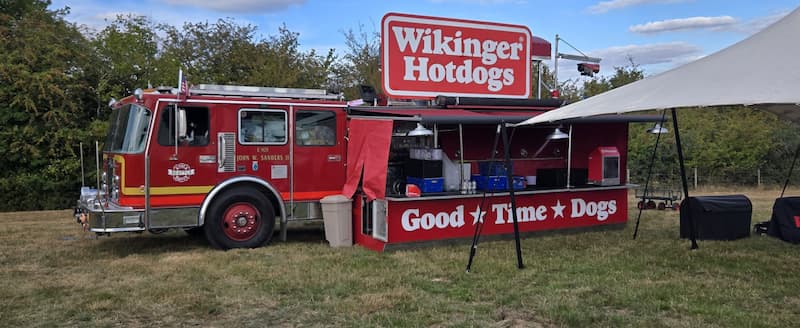
Think about it – these mobile kitchens are one-of-a-kind experiences that can only be in one place at one time. The truck that serves those mouth-watering gourmet burgers with custom branding? They’re probably already committed to three other corporate events that same weekend.
Don’t let procrastination turn your dream activation into a settling-for-whatever’s-available nightmare. The early bird doesn’t just get the worm – they get the truck that’ll make their event legendary.
2. Master Your Numbers Game
Nothing kills the vibe faster than running out of food halfway through your event or having way too much left over. Get your guest count locked down within plus or minus 15% – this isn’t just about portions, it’s about flow, timing, and choosing the right truck size.
Your headcount determines everything from how many serving windows you need to what type of cuisine works best. A intimate gathering of 50 calls for artisanal, made-to-order experiences, while a crowd of 500 needs lightning-fast service with broader appeal.
Set your budget early and stick to it. Factor in not just the base cost, but potential add-ons like custom packaging, interactive elements, and those Instagram-worthy branded touches that’ll have your guests posting all day long.
3. Navigate the Permit Maze Like a Pro
This might not be the sexiest topic, but trust us – licences and insurance are the unsung heroes of successful events. Different local councils may have different rules, and some places are surprisingly strict about where food trucks can operate.

Verify that your chosen truck carries valid health certificate, licenses, and liability insurance. Some councils only allow food trucks on private property, while others have specific zones where they can operate. The last thing you want is your beautifully planned event shut down because someone didn’t check the local regulations.
Pro tip: Make documentation verification part of your vendor selection process. The best food truck operators will have all their paperwork sorted and be happy to share it.
4. Choose Your Vendor Like You’re Casting the Lead Role
Not all food trucks are created equal, especially when it comes to handling corporate events and large crowds. You need a vendor who’s experienced with brand activations, understands the importance of timing, and can deliver consistently under pressure.
Ask the tough questions: How many similar events have they catered? Can they handle your expected guest count within your service window? What’s their plan B if something goes wrong?
Request references from recent corporate clients and actually call them. Check online reviews, but focus on feedback from events similar to yours. A truck that’s perfect for casual street festivals might struggle with the precision timing your brand event demands.
5. Craft a Menu That Matches Your Brand Story
Here’s where the magic happens – aligning the food experience with your brand identity and guest preferences. Don’t just accept the truck’s standard menu; work with them to create something special that tells your story.
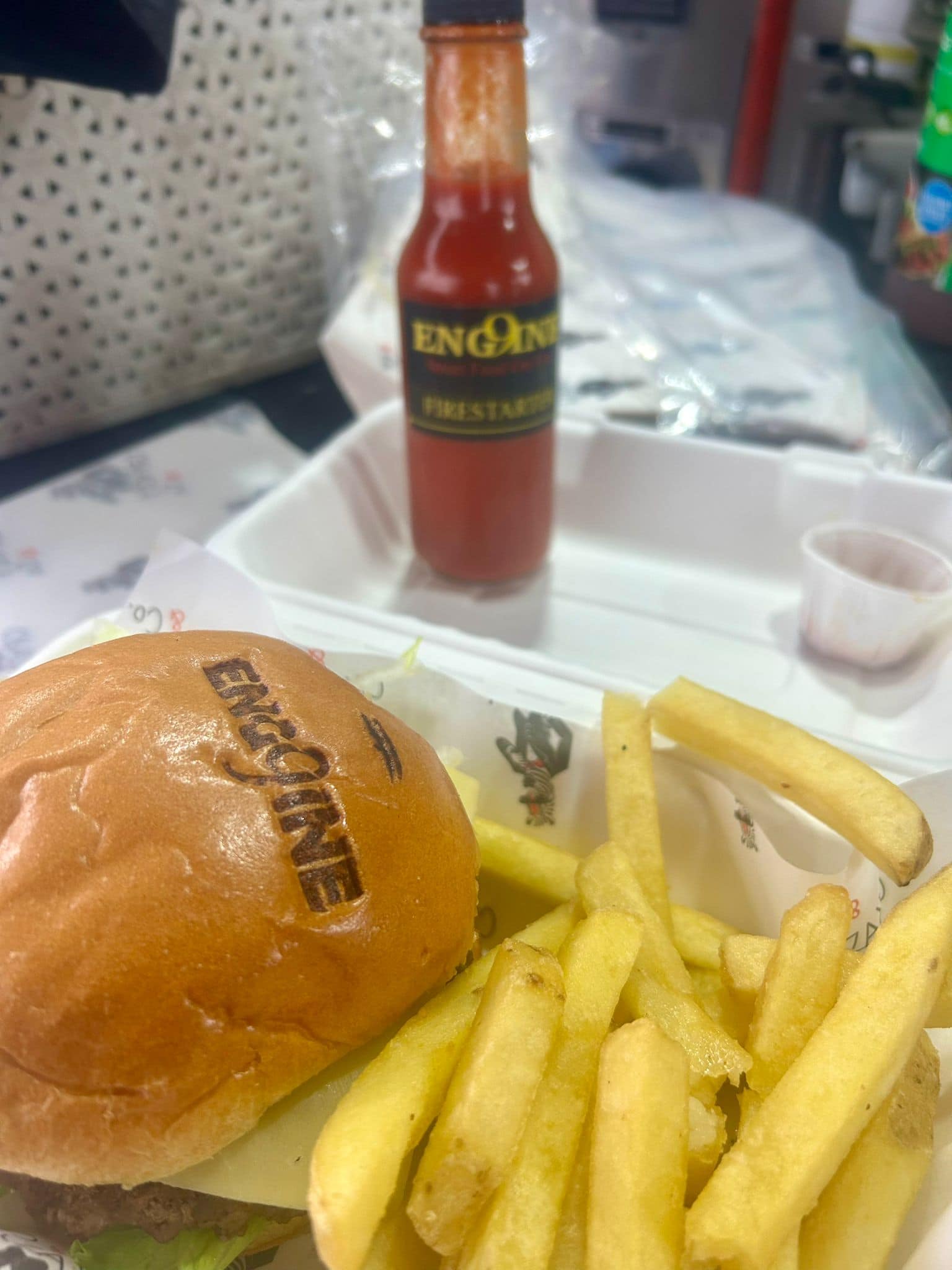
Keep it streamlined with 3-5 core items to keep lines moving, but make each one count. Think about dietary inclusivity – having at least one plant-based and one gluten-free option isn’t just considerate, it’s smart business. You don’t want anyone feeling left out of your brand experience.
Consider seasonal elements, local flavors, or custom presentations that reinforce your brand messaging. Those little touches – like custom burger stamps or branded packaging – transform a meal into a memorable brand touchpoint.
6. Master the Venue Access Challenge
Picture this nightmare scenario: your perfect food truck arrives at your venue only to discover it can’t navigate the entrance, the slope is too steep, or there’s nowhere to plug in. These logistics might seem obvious, but they’re surprisingly easy to overlook.
Map out the entire journey from street to serving position. Consider truck dimensions, turning radius, ground conditions, and utility requirements. Some trucks can’t handle slopes steeper than 30%, while others need specific power hookups or water access.
Visit your venue beforehand with these logistics in mind, or better yet, have your food truck vendor do a site visit. A few minutes of planning can prevent hours of day-of disaster management.
7. Design Your Space for Flow and Fun
The best food truck experiences aren’t just about the food – they’re about the entire spatial experience. Think like an event designer: where will people queue, mingle, eat, and share those all-important social media moments?

Plan for guest circulation, seating areas, and photo opportunities. Consider weather contingencies with tents or shade structures. Create distinct zones for ordering, pickup, and dining to prevent bottlenecks and confusion.
Don’t forget the little details that make big differences: adequate trash receptacles, hand sanitizing stations, and clear signage that guides guests through the experience seamlessly.
8. Keep Those Lines Moving (And Guests Smiling)
Long lines can kill the energy of even the most exciting event. Work with your vendor to streamline service – sometimes this means simplifying the menu, other times it means adding entertainment to make waiting fun.
Consider having roving performers or brand ambassadors work the queue, or set up interactive displays that keep guests engaged while they wait. Some of our favorite activations use real-time counters showing items served or include sampling to build anticipation.
Plan for peak service times and have strategies ready. Rush periods are inevitable, but smart planning can turn potential frustration into part of the experience.
9. Crystal Clear Cleanup and Responsibility Planning
Nothing ruins post-event glow like discovering you’re responsible for cleanup tasks you didn’t expect. Before booking, clarify exactly who provides what: trash management, signage, serving supplies, and post-service cleanup.
Some food trucks include comprehensive cleanup in their service, while others expect event organizers to handle waste management and site restoration. Get these details in writing to avoid day-of surprises.
Plan for more waste management than you think you’ll need – it’s better to have extra trash receptacles than overflowing bins that detract from your professional image.
10. Transform Catering Into Brand Storytelling
This is where good events become unforgettable brand experiences. Move beyond basic food service to create interactive, shareable moments that extend your brand reach long after the last bite.

Think custom packaging with QR codes linking to exclusive content, photo opportunities with branded backdrops, or take-home items that keep your brand top-of-mind. Some of our most successful activations include real-time social media feeds, AR filters accessed through menu QR codes, or mini branded items that guests love to share online.
The goal isn’t just feeding people – it’s creating brand ambassadors who’ll be talking about your event for weeks to come.
Ready to Roll?
Hiring the perfect food truck for your brand event isn’t rocket science, but it does require strategic thinking and attention to detail. With these ten insider tips in your toolkit, you’re ready to create food truck experiences that don’t just satisfy hunger – they create lasting brand connections.
Remember, the best food truck activations feel effortless to guests while being meticulously planned behind the scenes. Start early, plan thoroughly, and don’t be afraid to get creative with your approach. Your next brand activation could be the one everyone’s still talking about months later!
