
7 Essential Questions to Ask Before Booking a Food Truck for Your Event
Picture this: You’ve planned the perfect event, the guests are arriving, and everyone’s buzzing with excitement. Then disaster strikes, your food truck shows up without napkins, can’t accommodate half your guests’ dietary needs, and needs a power source you don’t have. Suddenly, your dream event becomes a logistical nightmare!
Don’t let this happen to you. Booking the right food truck is about so much more than just loving their Instagram photos (though let’s be honest, those help). Whether you’re organizing a corporate team-building day, a festival, or a brand activation that’ll have people talking for months, asking the right questions upfront can mean the difference between food truck triumph and catering catastrophe.
Ready to become a food truck booking pro? Let’s dive into the seven game-changing questions that’ll ensure your next event is absolutely delicious.
1. What’s Actually Included in Your Catering Package?
Here’s where things get spicy, and we’re not just talking about the food! You’d be amazed how many event planners assume they’re getting the full meal deal, only to discover on event day that drinks, napkins, or even basic utensils aren’t included in the base price.
Don’t let surprise charges crash your budget party. Ask your potential food truck vendor to break down exactly what their catering package covers. Are you getting setup and cleanup services? How many servings per guest? What about side dishes, beverages, desserts, and those essential extras like plates, napkins, and cutlery?
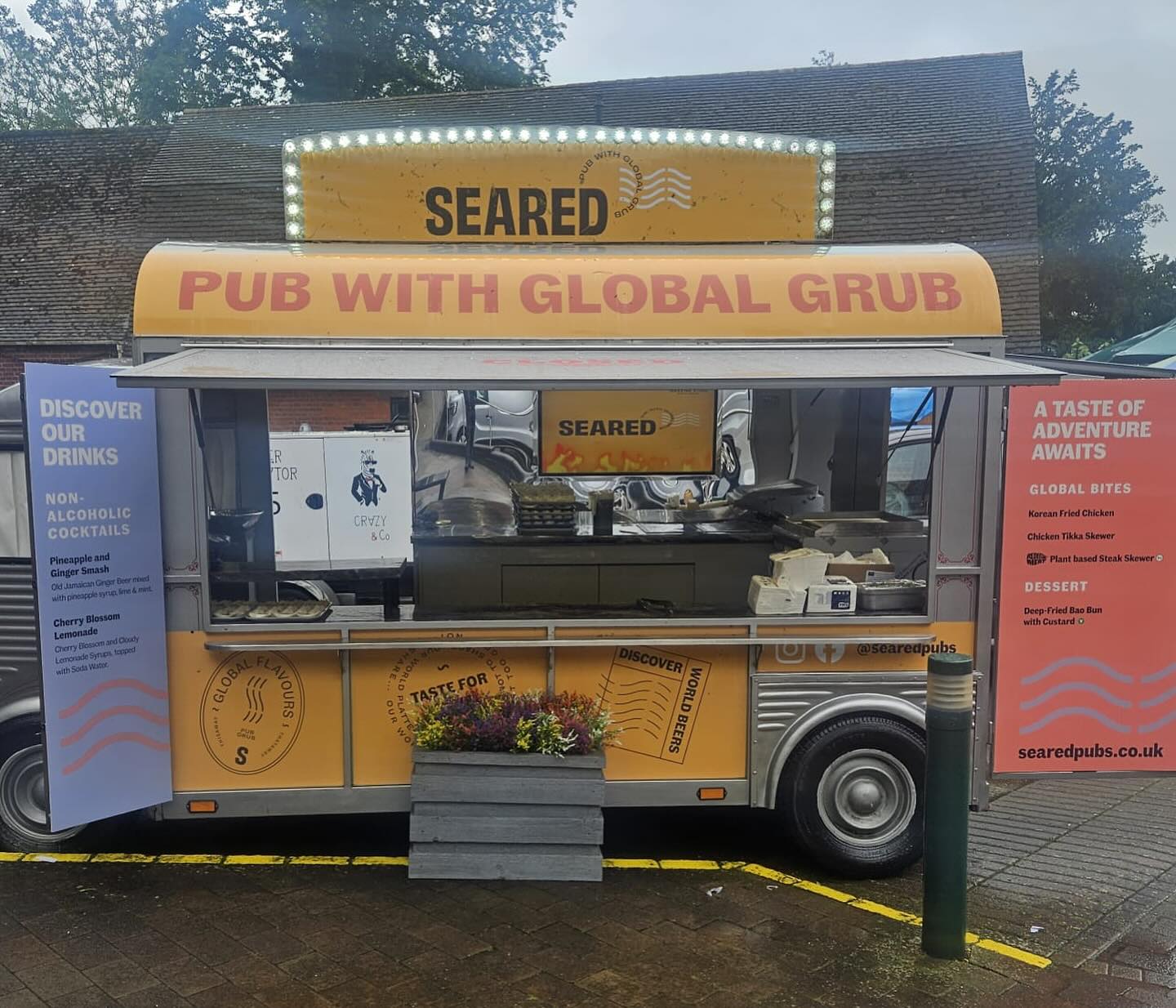
Some vendors go all out with full-service packages that include serving staff, while others focus purely on the food preparation. Neither approach is wrong, but knowing what you’re getting (and what you’re not) helps you plan accordingly. Ask about portion sizes too, will your guests leave satisfied, or will they be hunting for the nearest McDonald’s an hour later?
Pro tip: Request a detailed breakdown in writing. This protects both you and the vendor from any “I thought that was included” moments that could sour an otherwise perfect event.
2. Can You Handle Our Guests’ Dietary Needs Without Breaking a Sweat?
Welcome to 2025, where dietary restrictions aren’t just preferences, they’re necessities that can make or break your event’s success. Your food truck needs to navigate everything from severe nut allergies to vegan requirements without missing a beat.
The best food truck vendors don’t just accommodate dietary restrictions, they excel at them. Ask specifically about their vegetarian, vegan, gluten-free, and allergen-free options. But don’t stop there. Inquire about their cross-contamination protocols. How do they prevent allergens from sneaking into supposedly safe dishes?
Smart food truck operators will have dedicated preparation areas, separate utensils, and clear labeling systems. They should be able to explain their processes confidently and provide ingredient lists when requested. If they seem unsure or dismissive about dietary accommodations, keep looking, your guests’ safety and satisfaction depend on it.
Remember, accommodating dietary needs isn’t just about avoiding disasters; it’s about ensuring every single guest feels included and excited about the food options available to them.
3. What Are Your Setup Requirements, and Will Our Venue Play Nice?
Ah, logistics: the unsexy side of event planning that can absolutely make or break your food truck dreams. Food trucks aren’t just restaurants on wheels; they’re complex mobile operations with specific needs that must align perfectly with your venue’s capabilities.
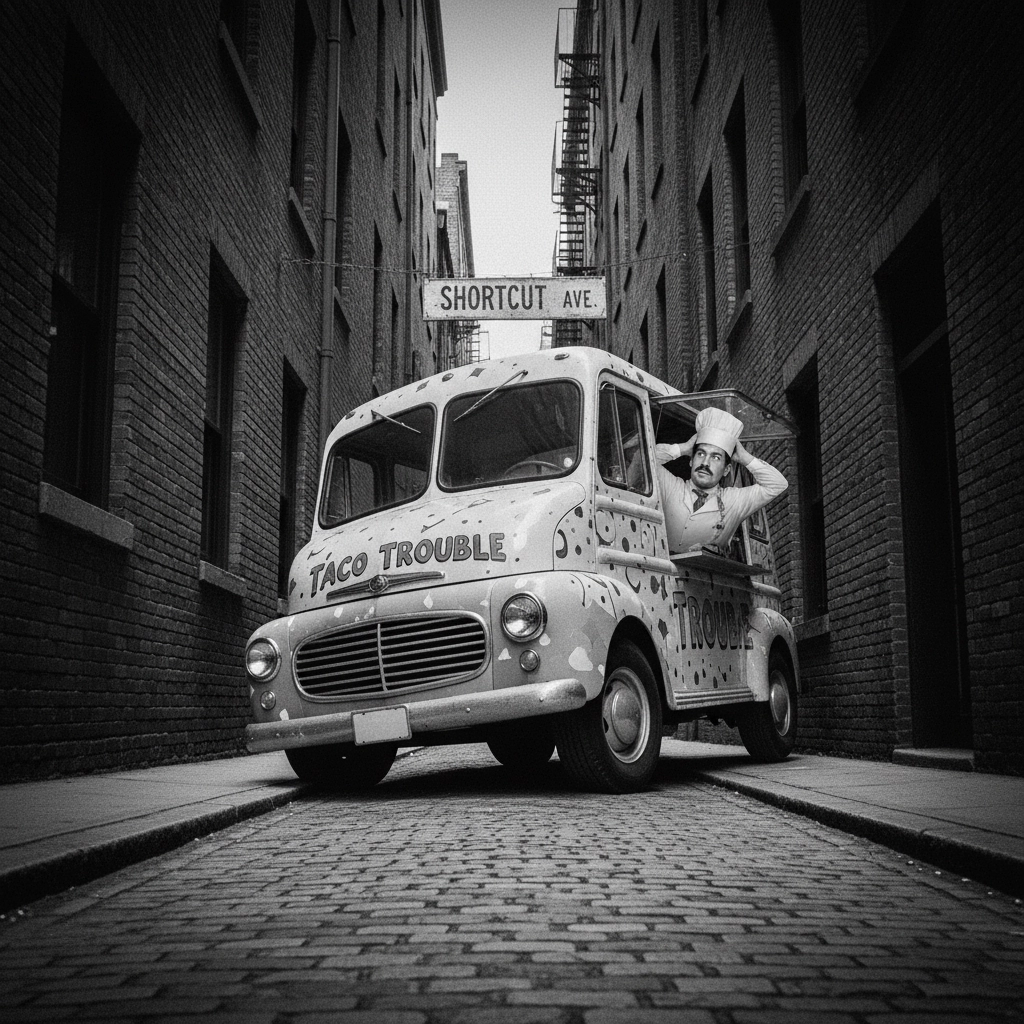
Start with the basics: How much parking space does the truck need? We’re talking length, width, and crucially, height clearance. Many food trucks are taller than standard vehicles and need clearance for extended awnings or service windows. Ask about turning radius requirements too: some venues have tight corners that larger trucks simply can’t navigate.
Power requirements are another critical consideration. Does the truck need access to electricity, water, or waste disposal? Some modern food trucks are completely self-contained, while others need external connections to operate efficiently. Don’t assume your venue can provide what’s needed without checking first.
Also consider guest accessibility. How close can the truck get to your event space? Will guests have to trek across a muddy field, or can the truck position itself conveniently near your main activities? Weather contingencies matter too: what happens if it’s pouring rain or blazing hot?
4. Do You Have Guest Count Sweet Spots We Should Know About?
Not all food trucks are created equal when it comes to capacity, and this is where many event planners stumble. Some trucks excel at intimate gatherings of 50 people, while others are built for festival-sized crowds of 500 or more.
Ask about minimum and maximum guest requirements upfront. Many food trucks have minimum order thresholds that make small events expensive, while others might struggle to serve large crowds efficiently, leaving your guests hangry and frustrated.
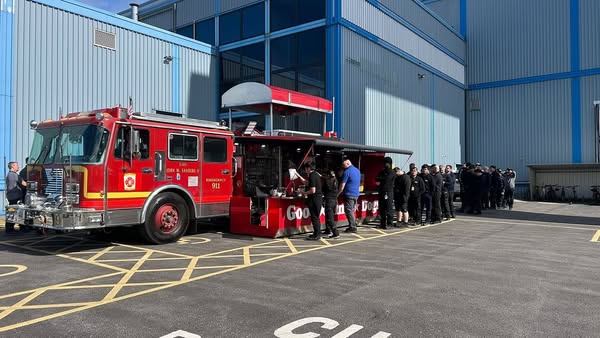
The magic is finding a truck that hits the sweet spot for your event size. A truck that regularly serves similar-sized events will have their timing, portions, and staffing levels dialed in perfectly. They’ll know exactly how long service will take and can predict potential bottlenecks before they happen.
Don’t forget to ask about surge pricing for larger events or premium charges for smaller gatherings. Understanding the full cost structure helps you make informed decisions and avoid budget surprises that could leave you scrambling.
5. What’s Your Track Record with Events Like Ours?
Experience isn’t everything, but it’s pretty darn close when you’re entrusting your event’s success to someone else. You want a food truck team that’s navigated similar challenges, served comparable crowds, and handled the unexpected curveballs that events inevitably throw.
Ask for references from recent clients, especially those who’ve organized events similar to yours. Corporate lunch events have different demands than music festivals, and wedding catering requires different skills than brand activations. The best food truck vendors will eagerly share success stories and provide contact information for past clients.
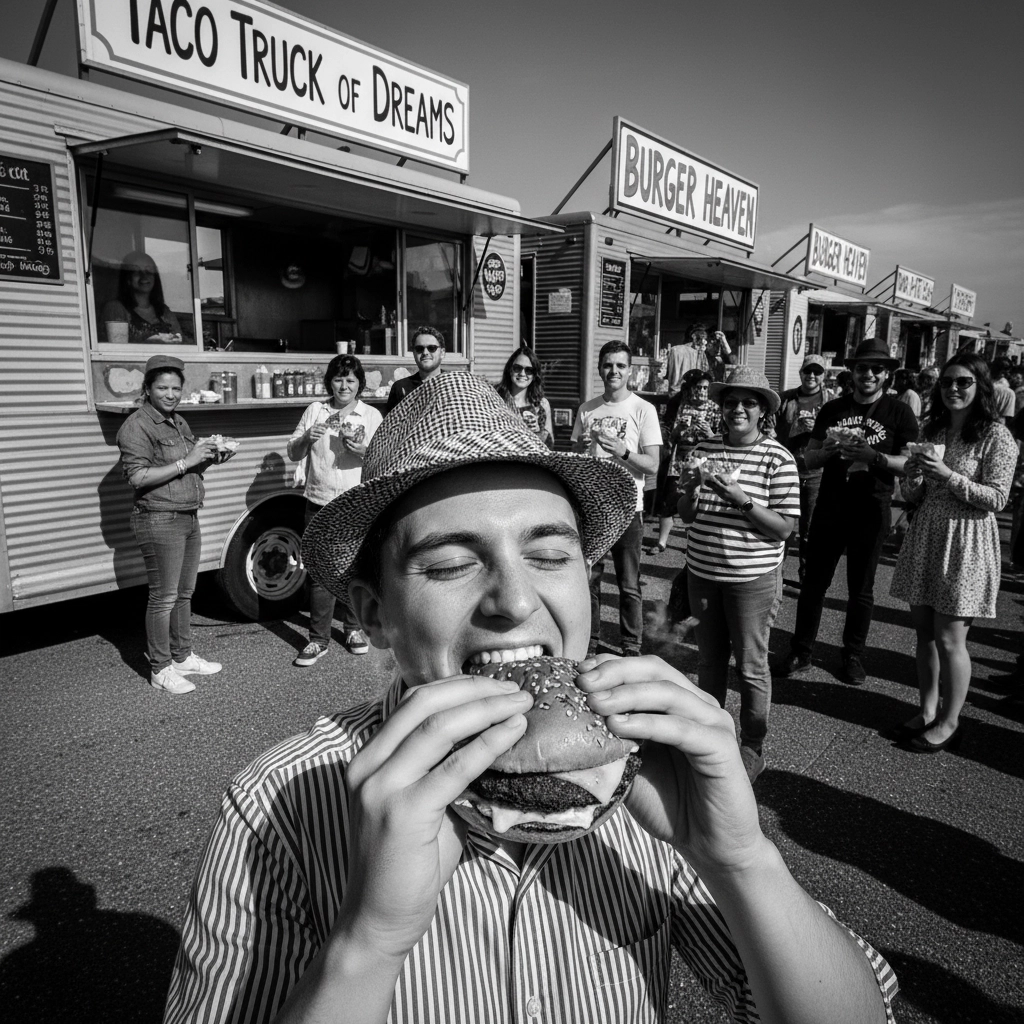
Request photos or videos from previous events. This gives you insight into their presentation standards, crowd management abilities, and how well they integrate into different event atmospheres. A food truck that looks great at a casual outdoor festival might not fit the vibe of an upscale corporate gathering.
Don’t be afraid to ask about challenges they’ve overcome. The best vendors will share stories about how they handled equipment failures, weather disasters, or last-minute guest count changes. These stories reveal problem-solving abilities and resilience: qualities you definitely want on your team.
6. What Happens When Things Go Wrong?
Nobody wants to think about worst-case scenarios, but smart event planners always have backup plans for their backup plans. What happens if the food truck breaks down on the way to your event? What if severe weather makes outdoor service impossible? What if you need to cancel or reschedule?
Ask about the vendor’s contingency plans for equipment failures, staffing issues, or weather problems. Professional food truck operators should have backup equipment, relationships with other vendors, or alternative service methods to keep your event running smoothly.
Understand the cancellation and refund policies before you sign anything. Life happens: events get postponed, guest counts change dramatically, or circumstances force cancellations. Knowing your options and any associated costs helps you make informed decisions and protects your budget.
Payment terms matter too. When are deposits due? When is final payment required? What happens if you need to make last-minute changes to your order? Clear financial terms prevent misunderstandings and ensure smooth transactions.
7. Are All Your Legal Ducks in a Row?
Last but absolutely not least, let’s talk about the boring but crucial legal stuff that protects everyone involved. Food trucks operate in a complex regulatory environment with permits, insurance requirements, and safety standards that vary by location.
Verify that your chosen food truck carries all necessary permits to operate legally in your event location. This includes business licenses, food service permits, and any special event authorizations required by local authorities. Some venues require specific insurance coverage levels or additional permits that standard food trucks might not carry.
Ask about liability insurance coverage and whether you need to add them as an additional insured party for your event. This protects you from potential lawsuits if someone gets food poisoning or is injured near the truck. Professional food truck operators will have comprehensive coverage and won’t hesitate to provide proof of insurance.
Don’t forget about compliance with local health department regulations. Professional food trucks undergo regular inspections and maintain current health permits. Ask to see recent inspection reports if you have any concerns about food safety standards.
Ready to book your perfect food truck partner? Remember, the best food truck relationships start with great communication. Don’t be shy about asking these questions: professional vendors appreciate thorough clients who understand the importance of proper planning.
At Crazy & Co., we’ve seen firsthand how the right food truck can transform an ordinary event into an extraordinary experience. Whether you’re planning a festival activation or a corporate catering experience, asking these seven essential questions ensures your next event will be absolutely delicious from start to finish.
Happy planning, and may your next food truck experience be everything you dreamed it would be!
