
Carl’s Jr.: From Humble Beginnings to Icon
Carl’s Jr. is a name that resonates with fast-food lovers worldwide. But how did it all begin? The story of Carl’s Jr. is one of ambition, innovation, and resilience. It started with a simple hot dog cart in Los Angeles. From these humble beginnings, a fast-food icon was born.
The founders, Carl and Margaret Karcher, had a vision. They transformed a small venture into a thriving business. Their journey is a testament to the power of dreams and determination.
As Carl’s Jr. expanded, it became a staple in the fast-food industry. The brand’s history is rich with milestones and achievements. Join us as we explore the fascinating evolution of Carl’s Jr.
The Visionaries: Carl’s Jr. Founders and Their Dream
Behind every great enterprise lies a compelling story of its creators. Carl and Margaret Karcher were the masterminds behind Carl’s Jr.’s initial success. In 1941, with an entrepreneurial spirit, they launched a modest hot dog cart. Their journey began with a mere $311 loan against Carl’s Plymouth automobile.
This couple was driven by more than just the desire for business success. They embodied the classic American Dream. Determination and innovation were at the heart of their efforts. They believed in offering quality and taste that stood out.
Their initial venture quickly captured the locals’ attention. This success encouraged them to expand. By 1956, they’d opened their first Carl’s Jr. restaurant. Their story is one of inspiration and ambition. It demonstrates the power of vision and hard work. Here are some key elements of their dream:
- Quality ingredients set a new standard.
- Relentless dedication to customer satisfaction.
- Continual innovation in menu offerings.
Together, these components propelled Carl’s Jr. into the spotlight. Carl and Margaret’s legacy continues to thrive, influencing both the brand and the industry as a whole.

The First Steps: From Hot Dog Cart to Restaurant
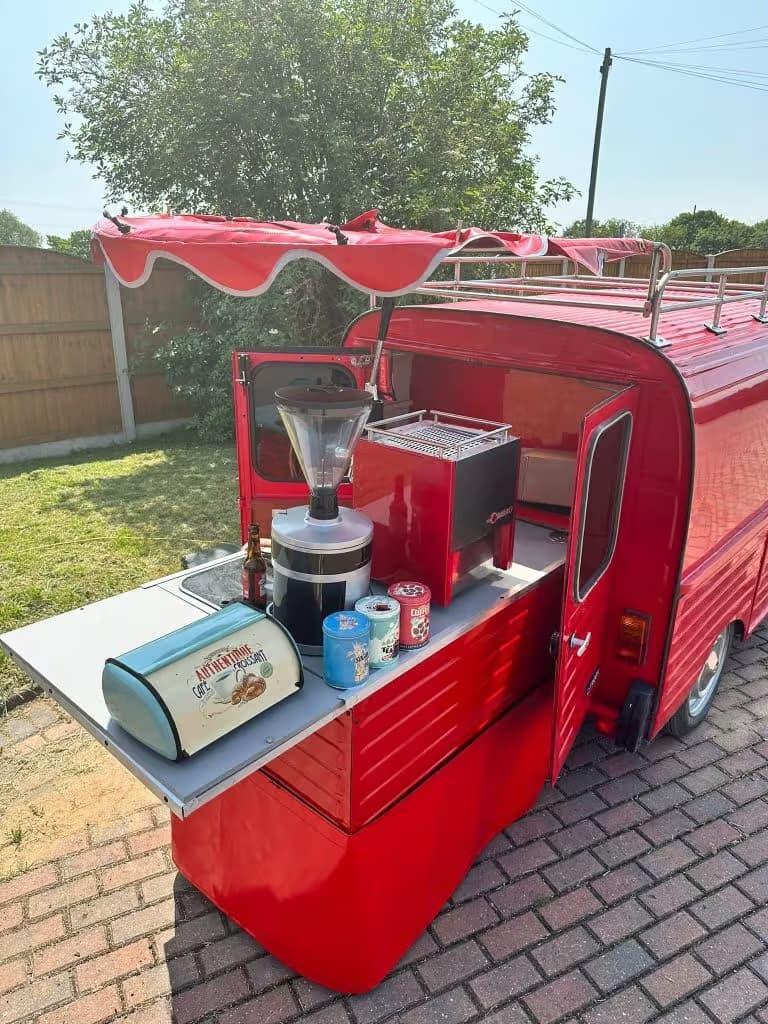
The inception of Carl’s Jr. was both humble and audacious. Beginning with a simple hot dog cart, the Karchers were determined to transform it into something more substantial. Their first cart in Los Angeles marked the start of their entrepreneurial journey, offering more than just hot dogs.
Persistence paid off quickly for the Karchers. The success of their cart enabled them to expand their offerings. It wasn’t long before they realized the potential for a more permanent establishment. By 1945, they had opened their first full-service restaurant: Carl’s Drive-In Barbecue.
Transitioning from a cart to a restaurant wasn’t just about changing venues. It required an overhaul of their menu, service style, and business operations. Yet, with tenacity and a keen eye for opportunity, they made it possible.
Here are the pivotal steps in their transformation:
- Recognizing the need for expansion.
- Embracing a diverse menu selection.
- Adopting a customer-centric business model.
These foundational steps laid the groundwork for Carl’s Jr.’s future expansion and identity as a beloved fast-food brand. Each decision, fueled by an innovative spirit, propelled their modest cart towards a thriving restaurant chain.
The Birth of a Brand: Naming, Logo, and Early Identity
As Carl’s Drive-In Barbecue gathered momentum, there was a vision to create smaller, more accessible versions. Thus, Carl’s Jr. came into existence in 1956. The “Jr.” in the name symbolized a compact yet powerful rendition of the original restaurant.
Crafting a brand identity involved more than just a name. The iconic star logo emerged, paying tribute to the star-shaped sign of their original hot dog cart. This symbol became synonymous with quality, flavor, and a touch of nostalgia that resonated with customers.
Key elements of Carl’s Jr.’s early identity included:
- A distinct and memorable logo.
- The strategic use of the “Jr.” suffix.
- A commitment to maintaining the original’s essence in a smaller format.
These elements forged a unique brand identity that endures today, reflecting the brand’s roots and Carl Karcher’s visionary leadership.
Carl’s Jr. Expansion: Growth Across the West and Beyond
The 1960s and 1970s marked a period of substantial growth for Carl’s Jr. Rapid expansion across the Western United States established a foothold in the competitive fast-food scene. Carl Karcher’s vision was clear: bring charbroiled burgers to a broader audience.
Carl’s Jr.’s expansion strategy was as bold as its flavors. The company went public in 1981, a move that fueled further growth. This shift provided capital to build new locations and introduce innovative offerings, cementing its brand status.
Strategic locations played a vital role in this growth. By situating franchises where demand was high, Carl’s Jr. capitalized on market trends. Expansion highlights include:
- Increased presence in California and neighboring states.
- Entry into international markets, bringing American fast food abroad.
- Pioneering moves into emerging regions with high growth potential.
Carl’s Jr. didn’t stop at geographical expansion. The brand also diversified its menu to accommodate varying regional tastes, further entrenching its market position. Today, Carl’s Jr. is recognized worldwide, with a strong presence in both domestic and international territories, showcasing its ability to grow beyond borders while maintaining its unique identity.

Innovation and Menu Evolution: Standing Out in Fast Food
Innovation has been a cornerstone of Carl’s Jr.’s success. The brand is synonymous with bold flavors and unique creations. Known for experimenting, Carl’s Jr. keeps menus exciting and fresh.
Charbroiled burgers defined the early menu. These distinctively grilled patties set Carl’s Jr. apart. Customers seeking more than the ordinary flocked to the taste of real flame-cooked food.
The menu’s evolution did not stop at burgers. Carl’s Jr. introduced creative items that captured attention and appetites. Signature innovations include:
- Western Bacon Cheeseburger: A fan favorite with barbecue sauce and onion rings.
- Breakfast offerings: Bringing all-American breakfasts to fast-food.
- Green Burrito: Adding Mexican flair to the selection.
In today’s diverse food landscape, Carl’s Jr. embraces trends while staying true to its roots. Emphasizing quality and variety, it continuously adapts to changing tastes. This commitment to innovation ensures Carl’s Jr. remains relevant and beloved by fast-food aficionados worldwide, always delivering something new to hungry fans.
Marketing Mavericks: Bold Campaigns and Brand Personality
Carl’s Jr. has always been a trailblazer in advertising. Its campaigns are known for their audacity and flair. The brand utilizes striking visuals and catchy slogans to capture attention.
The marketing strategy is nothing short of daring. Carl’s Jr. knows how to stir buzz and spark conversation. These bold moves solidify its place in popular culture, keeping the brand on everyone’s lips.
Key elements of Carl’s Jr.’s advertising genius include:
- Edgy commercials: Provocative ads that make headlines.
- Celebrity endorsements: Teaming with stars for extra appeal.
- Engaging social media: Fostering dynamic online interactions.
This boldness has shaped Carl’s Jr.’s identity. The brand isn’t just selling burgers; it’s selling an experience. People are drawn to its fearless personality, which stands out in the fast-food world. The marketing choices showcase Carl’s Jr. as an industry maverick, pushing boundaries and celebrating its unique style, ultimately securing a loyal following who relish its unmatched charisma.
Challenges, Adaptation, and Resilience
Navigating the fast-food industry isn’t without hurdles. Carl’s Jr. has faced its share of challenges over the years. Competition, economic shifts, and evolving consumer tastes all posed threats.
Despite these obstacles, the brand demonstrated impressive resilience. It adapted strategies and embraced change to stay relevant. This adaptability helped it thrive where others faltered.
Key strategies employed by Carl’s Jr. include:
- Menu innovation: Introducing new offerings to entice diverse palates.
- Technological integration: Implementing online ordering and delivery options.
- Market diversification: Expanding into new regions and demographics.
These strategies have been crucial in maintaining Carl’s Jr.’s competitive edge. The brand’s ability to confront challenges head-on displays its determination to continue its iconic journey. By learning and evolving, Carl’s Jr. sets an example of how adaptability fosters long-term success.
Carl’s Jr. Today: Global Reach and Modern Moves
Today, Carl’s Jr. stands as a testament to its founders’ dreams and vision. The brand’s global reach is impressive, with locations spanning across numerous countries. This growth reflects its strategic international expansion efforts.
Adapting to modern trends, Carl’s Jr. has embraced technology. Mobile ordering and delivery services have become integral to its operations. This adaptation enhances customer convenience and broadens its market appeal.
Essential modern strategies include:
- Engaging with digital platforms: Building robust social media presence.
- Partnering with international franchisees: Extending brand presence globally.
- Sustainability initiatives: Focusing on responsible sourcing and eco-friendly practices.
Staying ahead of fast-food trends has cemented Carl’s Jr.’s iconic status. Its commitment to innovation and adaptation ensures it remains relevant in a competitive industry. As it advances, the brand continues to honor its origins while exploring new frontiers.
The Enduring Legacy: Carl’s Jr. Founders and the American Dream
The story of Carl Karcher and his wife, Margaret, is a true reflection of the American Dream. They started with a simple hot dog cart but were driven by relentless passion and determination. Their journey from humble beginnings to great success is truly inspirational.
Their legacy is deeply woven into the fabric of Carl’s Jr., a brand marked by innovation and resilience. The spirit of entrepreneurship they embodied continues to inspire not just their company, but many aspiring entrepreneurs worldwide. Their commitment to quality and customer satisfaction remains a cornerstone of the brand.
Key aspects of their legacy include:
- Visionary leadership: Inspiring a culture of innovation.
- Strong ethical standards: Commitment to quality and excellence.
- Inspiring future generations: Demonstrating the power of perseverance and hard work.
Carl’s Jr. founders’ tale is a timeless narrative of growth and ambition, embodying core values that fuel ongoing success. The brand remains a powerful symbol of their dream and achievements.