
From Invention to Icon: Espresso’s History
Imagine a world without the rich aroma of freshly brewed espresso wafting through the air. Hard to picture, right? Espresso is not just a coffee drink; it’s an experience, a culture, and a ritual cherished by millions worldwide. Its bold flavor and concentrated form have made it a cornerstone of coffee culture, offering a unique experience that stimulates both the senses and the mind. But how did this beloved beverage come to be? Join us as we journey through the captivating history of espresso—from its invention to its iconic status today, exploring the cultural nuances that make it a global sensation.
The Origins of Coffee

by Dimitry B (https://unsplash.com/@dimitry_b)
Before we dive into the history of espresso, it’s essential to understand the roots of coffee itself. The coffee plant was first discovered in the Ethiopian highlands, where legend has it that a goat herder named Kaldi noticed his goats frolicking with unusual energy after eating the berries from a certain tree. Intrigued, Kaldi tried the berries himself and felt a newfound vitality. Word of this miraculous fruit quickly spread, eventually reaching the Arabian Peninsula, where it became a staple of the emerging coffee culture.
By the 15th century, coffee cultivation and trade began on the Arabian Peninsula, and the drink we now know as coffee started to take shape. Coffee houses, known as “qahveh khaneh,” became popular in cities across the Middle East, serving as hubs for conversation, music, and intellectual exchange. These establishments were more than just places to enjoy a cup of coffee; they were social epicenters that fostered dialogue and debate, laying the groundwork for coffee’s evolution into a cultural phenomenon. The spread of coffee into Europe in the 17th century further fueled its popularity, setting the stage for the eventual birth of espresso.
The Birth of Espresso
Fast forward to the 19th century. The world was in the throes of the Industrial Revolution, and the need for a quicker coffee brewing method was apparent. Enter Angelo Moriondo, an Italian inventor who, in 1884, patented a machine that used steam to force water through coffee grounds, thus creating what we now recognize as espresso. This invention was groundbreaking, offering a faster brewing process that aligned with the pace of the modern world. However, Moriondo’s machine was primarily used in his own establishments, limiting its initial impact.
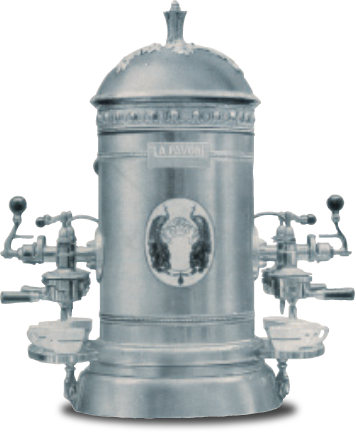
It wasn’t until Luigi Bezzera and Desiderio Pavoni refined the design in the early 20th century that the espresso machine gained commercial viability. These pioneers introduced improvements that made espresso more accessible and consistent, transforming it from a novelty into a staple of Italian culture. The early machines were manual and complex, requiring skill and precision to operate, yet they produced a coffee that was unlike anything the world had tasted before—bold, concentrated, and invigorating. Espresso was born, offering a new way to enjoy coffee that quickly captured the imagination of coffee lovers.
Espresso’s Rise to Fame
As espresso machines improved, so did their popularity. In the bustling cafes of Milan and Rome, espresso became the drink of choice for those seeking a quick, energizing caffeine hit. The social aspect of enjoying espresso in cafes became an integral part of Italian culture, a tradition that continues to this day. These cafes became the heart of communities, places where people gathered to exchange ideas, socialize, and enjoy the simple pleasure of a well-crafted coffee.
By the mid-20th century, espresso had crossed the Atlantic and found its way into the hearts of Americans. The post-war era saw a boom in coffee culture, with espresso playing a starring role. The rise of Italian-American neighborhoods, coupled with the global spread of Italian cinema and culture, further popularized espresso in the United States and beyond. This cultural exchange was facilitated by the proliferation of espresso bars, which offered a taste of Italy to an eager American audience, solidifying espresso’s place in the global coffee scene.
The Evolution of the Espresso Machine

by Vlad Kutepov (https://unsplash.com/@kvtepov)
The espresso machine has undergone significant transformations since its inception. In the early days, machines were large, bulky, and intimidating, often requiring a dedicated barista to operate. This exclusivity added to the allure of espresso, making it a sought-after experience. However, technological advancements have made espresso machines more user-friendly and accessible to the average coffee enthusiast, democratizing the espresso experience and allowing more people to enjoy its unique taste.
The introduction of the lever machine by Achille Gaggia in 1947 marked a significant milestone. This innovation allowed for higher pressure during extraction, resulting in the rich crema that defines a perfect espresso shot. Subsequent developments, such as the electric pump machine in the 1960s, further streamlined the process, making espresso more accessible to the masses. Today, espresso machines come in various shapes and sizes, from sleek, modern designs for home use to high-tech commercial models capable of producing hundreds of cups a day. The essence of espresso, however, remains unchanged—a perfect blend of science, art, and passion.
Espresso in Popular Culture
Espresso’s influence extends beyond the confines of cafes and kitchens. It has become a symbol of sophistication and style, often featured in movies, literature, and art. The image of a solitary thinker nursing a shot of espresso in a dimly lit cafe evokes a sense of mystery and romance that has captivated imaginations worldwide. This cultural imagery has helped cement espresso’s status as more than just a beverage; it is a lifestyle choice that reflects a certain elegance and taste.
In the world of marketing, espresso serves as a powerful tool for brands seeking to associate themselves with quality and refinement. The espresso experience—its aroma, taste, and presentation—creates an emotional connection with consumers, making it an enduring icon in the world of coffee. Companies leverage this association to enhance their brand image, using espresso as a symbol of modern sophistication and timeless appeal. This marketing strategy has only served to further entrench espresso’s place in global culture, reinforcing its reputation as a drink of choice for the discerning consumer.
The Global Espresso Phenomenon
Today, espresso is a global phenomenon, enjoyed in countless variations across the world. From the classic Italian espresso to the creamy cappuccinos of Australia and the trendy American lattes, espresso has inspired a diverse range of coffee drinks that cater to every palate. Each culture has put its own spin on espresso, creating a vibrant tapestry of flavors and styles that reflect local tastes and traditions.
The rise of specialty coffee culture has further elevated espresso’s status, with baristas and coffee enthusiasts experimenting with different beans, roasts, and brewing techniques to create unique and personalized espresso experiences. This innovation has led to a renaissance in coffee appreciation, where the artistry of espresso-making is celebrated and explored in depth. As new methods and flavors emerge, espresso continues to captivate and inspire, proving its adaptability and enduring appeal.
Conclusion: Espresso’s Lasting Legacy
From its humble beginnings in Italy to its status as a global icon, espresso has come a long way. It has transcended borders and cultures, becoming a symbol of innovation, community, and artistry. As we sip our espresso today, we are partaking in a rich tradition that has stood the test of time—a testament to the enduring appeal of this beloved brew. Espresso is not merely a drink; it’s an experience that connects us to a shared history and a collective passion for coffee.
So, the next time you enjoy a shot of espresso, take a moment to appreciate the journey it has taken to reach your cup. It’s more than just a drink; it’s a piece of history, a story of passion and creativity that continues to inspire and delight coffee lovers around the world. Whether you’re a marketing manager looking to create content that resonates or a coffee aficionado seeking to deepen your appreciation, understanding the history of espresso offers valuable insights into its cultural significance and timeless appeal. Let’s raise our cups to espresso, the iconic brew that continues to capture our hearts and imaginations.
We hope you enjoyed our Espresso’s History lesson.
