
Walter Scott & The Birth of the Food Truck: The Providence Legend
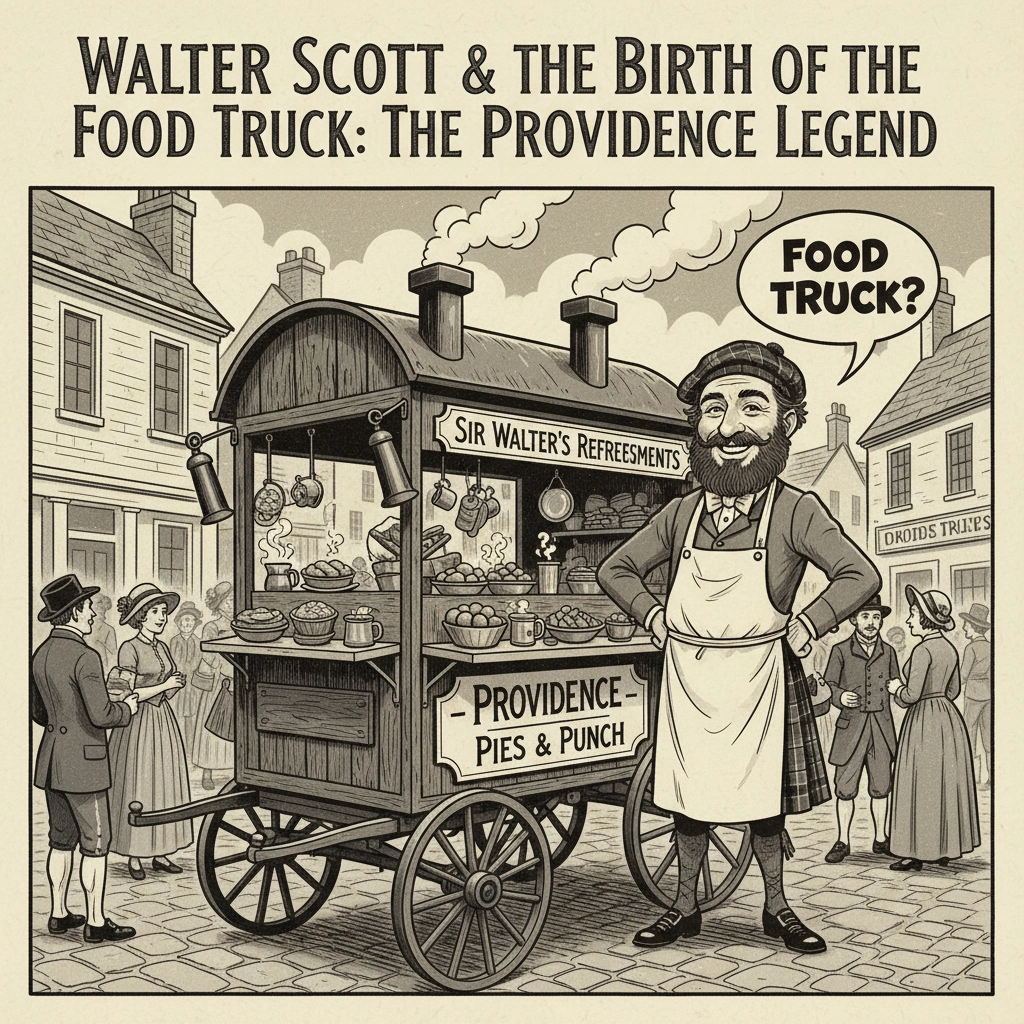
Picture this: It’s 1872 in Providence, Rhode Island. Gas lamps flicker on Westminster Street, horse-drawn carriages clatter over cobblestones, and somewhere in the shadows, a culinary revolution is about to unfold. Enter Walter Scott: a guy who probably had no idea he was about to spark the global street food phenomenon we absolutely love today.
This isn’t just another dusty history lesson. This is the wild origin story of how one enterprising bloke with a wagon, some sandwiches, and serious entrepreneurial spirit created the blueprint for every food truck rolling down your street today. And honestly? His story hits differently when you realize he basically invented the entire mobile food game from scratch.
The Night Owl Who Started It All
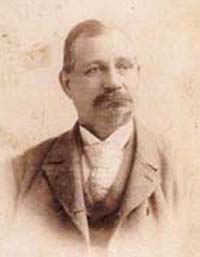
Walter Scott wasn’t born into food royalty: he was just a regular guy who spotted a gaping hole in Providence’s dining scene. Back in the mid-1850s, young Walter was hustling hard, walking the business districts with a basket full of candy, fruit, and newspapers. Think of him as the original street vendor, grinding it out one sale at a time.
But here’s where Walter’s genius kicked in: he noticed something everyone else missed. Restaurants shut their doors at 8 PM sharp, leaving night shift workers: newspaper pressmen, journalists, bar patrons: completely stranded when hunger struck during their late-night grind. While everyone else saw a closed restaurant, Walter saw opportunity knocking.
By 1857, Walter had upgraded from his trusty basket to a pushcart, adding hot coffee to his lineup. But the real magic happened in 1872 when this absolute legend decided to go all-in on the food game.

The Birth of America’s First Food Truck
Get ready for this: Walter Scott basically invented the food truck by transforming a freight wagon into a mobile kitchen. He fitted it with a canvas top, cut windows into both sides so customers could order from the curb or street side, and parked that beauty right outside the Providence Journal office at 2 Weybosset Street.
This wasn’t just any ordinary cart. Walter sat inside on a box, serving up hot food from dusk until 4 AM: the original night owl operator. His setup was brilliant in its simplicity: customers could walk up, grab their grub, and get back to work without missing a beat.
The menu? Pure working-class comfort food that hit all the right spots. Ham sandwiches, boiled eggs with a slice of bread, and slices of pie (mince and huckleberry were the crowd favorites) all went for just a nickel each. Want to go fancy? A full plate of chicken would set you back thirty cents: which sounds like pocket change until you realize that nickel is equivalent to about $1.10 today, and that chicken dinner? Around $7. Sound familiar? Walter basically nailed the fast-food pricing model 150 years ago!
The Hustler’s Paradise (And Problems)
Business was absolutely booming. Walter’s operation was so successful he eventually expanded to serve workers at all three Providence newspapers. But success came with its own headaches: some customers tried to dash off with free meals, forcing Walter to get creative with his security measures.
His solution? Pure genius mixed with a dash of crazy. Walter would grab shifty customers’ hats right off their heads as “insurance” until they paid up. By the end of his run, he’d accumulated an entire box full of bowlers and top hats from would-be meal thieves. Talk about unconventional collateral!
The late-night crowd brought its own unique energy. Picture the scene: gas lamps casting long shadows, the clip-clop of horses echoing through empty streets, and Walter’s wagon glowing like a beacon of deliciousness for anyone pulling an all-nighter. It was equal parts cozy and mysterious: the perfect atmosphere for Providence’s night owls to fuel up.
The Revolution Spreads Like Wildfire
By the 1880s, Walter’s concept had caught fire across New England. Entrepreneurs everywhere were thinking, “If this guy in Providence can make bank selling sandwiches from a wagon, why can’t I?”
In 1883, Ruel B. Jones, a former Providence police officer, jumped into the night lunch business and commissioned the first purpose-built lunch cart that actually let customers eat standing outside the wagon. Then Thomas Buckley in Worcester, Massachusetts, took things to the next level in 1887 by establishing the first commercial lunch wagon manufacturing operation.
What started as Walter’s simple solution to hungry night workers had morphed into an entire industry. Cities across America were suddenly dealing with traffic jams caused by mobile “Night Owl” wagons rolling through their streets. The concept was so popular that some cities eventually required these mobile kitchens to find permanent locations: and boom, the classic American diner was born.
From Lunch Wagon to Chrome-Lined Dreams
Walter’s pioneering wagon evolved into something even more spectacular: the iconic American diner. Those chrome interiors, neon signs, checkered floors, and that unmistakable diner atmosphere? It all traces back to Walter Scott’s simple covered wagon serving late-night workers in Providence.
The lunch carts became known as “Nite Owls” or “Nite Lunch” wagons, and Walter’s operation was often called the “Pioneer Lunch”: a fitting name for the granddaddy of them all. These mobile eateries maintained Walter’s core principles: affordable, quick meals for working people, available when other food options had shuttered for the night.

The Modern Food Truck Renaissance
Fast-forward to today, and Walter Scott’s DNA is everywhere in the food truck scene. Every gourmet grilled cheese truck, every Korean BBQ wagon, every artisanal ice cream cart rolling through your neighborhood is carrying on Walter’s legacy of bringing delicious food directly to hungry people.
At Crazy & Co., we absolutely live for this connection to food truck history. When we roll up to your event with our funky fleet of mobile kitchens, we’re not just bringing incredible food: we’re continuing a tradition that started with one guy, one wagon, and one brilliant idea in 1872 Providence.
The spirit of innovation that drove Walter Scott to cut windows in a freight wagon and serve ham sandwiches at midnight? That same energy flows through every food truck entrepreneur today who’s pushing boundaries, creating new flavors, and bringing communities together one meal at a time.
The Timeless Appeal of Street Food Culture
What makes Walter Scott’s story so compelling isn’t just the historical significance: it’s how perfectly his approach captures what we love about street food culture today. He identified an underserved community, created a solution that brought food directly to people where they were, and built something that brought folks together during their breaks from the daily grind.
Sound familiar? That’s exactly what drives the modern food truck movement. Whether it’s serving late-night munchies to college students, bringing gourmet options to office workers, or creating those magical moments at festivals and events, today’s food truck operators are channeling Walter’s pioneering spirit.
His story reminds us that the best food ventures aren’t just about the menu: they’re about understanding your community, meeting people where they are, and creating experiences that make everyday moments a little more delicious.
Walter’s Legacy Lives On
Walter Scott continued his pioneering lunch wagon operation until 1917: an incredible 45-year run that proved his concept had serious staying power. But his real legacy isn’t measured in years or profits; it’s in the millions of food trucks, diners, and street food vendors who’ve followed his blueprint for success.
Every time you hear the jingle of an ice cream truck, spot a food truck setting up at a festival, or grab a quick bite from a mobile vendor, you’re experiencing Walter Scott’s vision brought to life. He proved that great food doesn’t need a fancy restaurant: it just needs passionate people willing to bring it directly to hungry customers.
At Crazy & Co., we tip our hats to Walter Scott every time we fire up our mobile kitchens. His pioneering spirit, customer-first approach, and absolute dedication to feeding people well continues to inspire everything we do in the wonderfully wacky world of mobile food service.
So next time you’re enjoying street food, spare a thought for Walter Scott: the Providence legend who started it all with nothing more than a wagon, some windows, and the revolutionary idea that good food should come to you.
