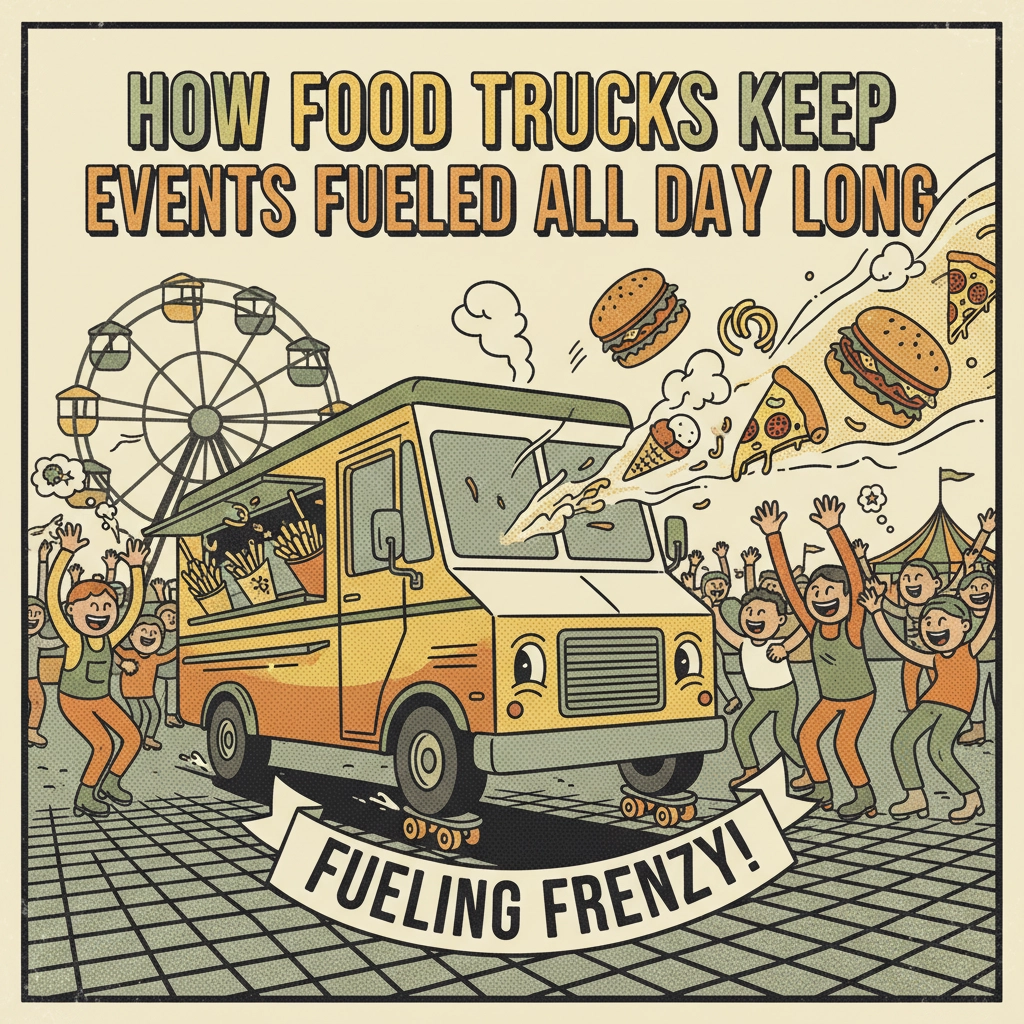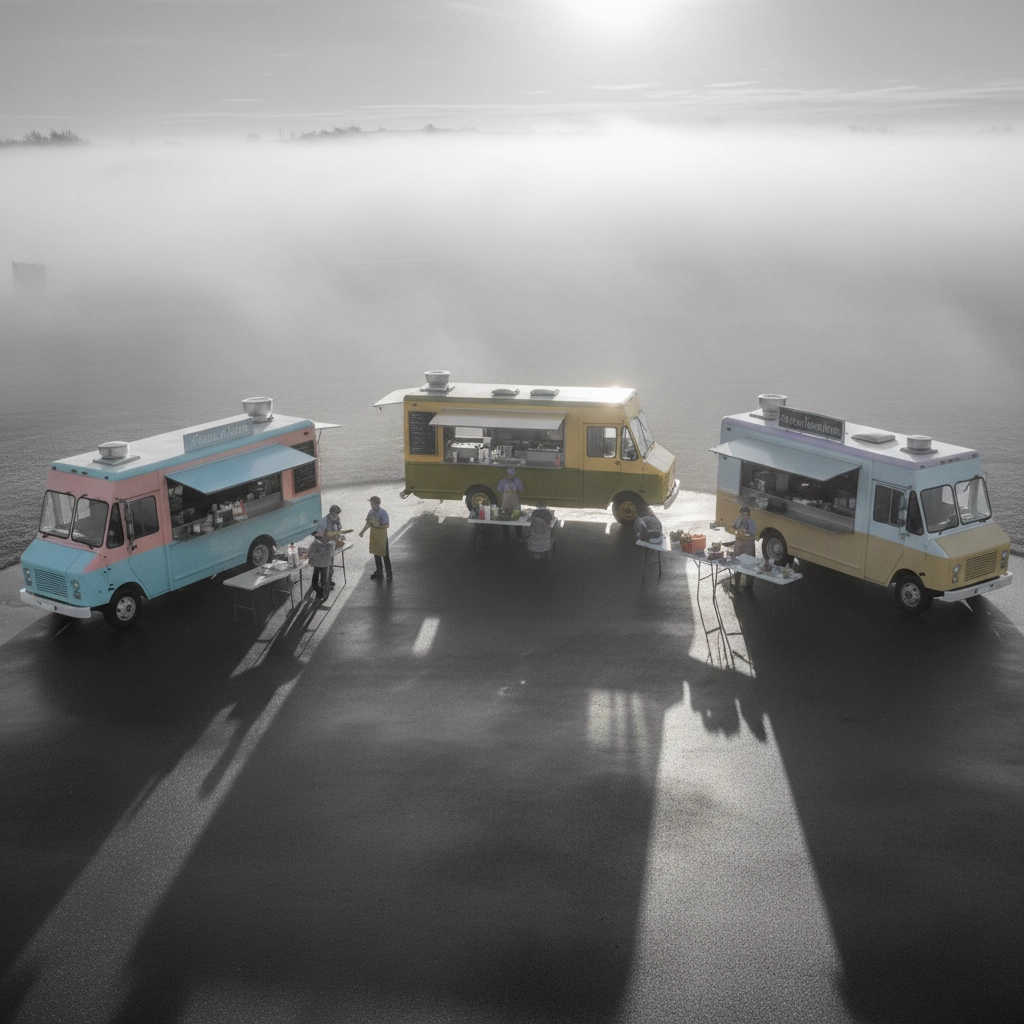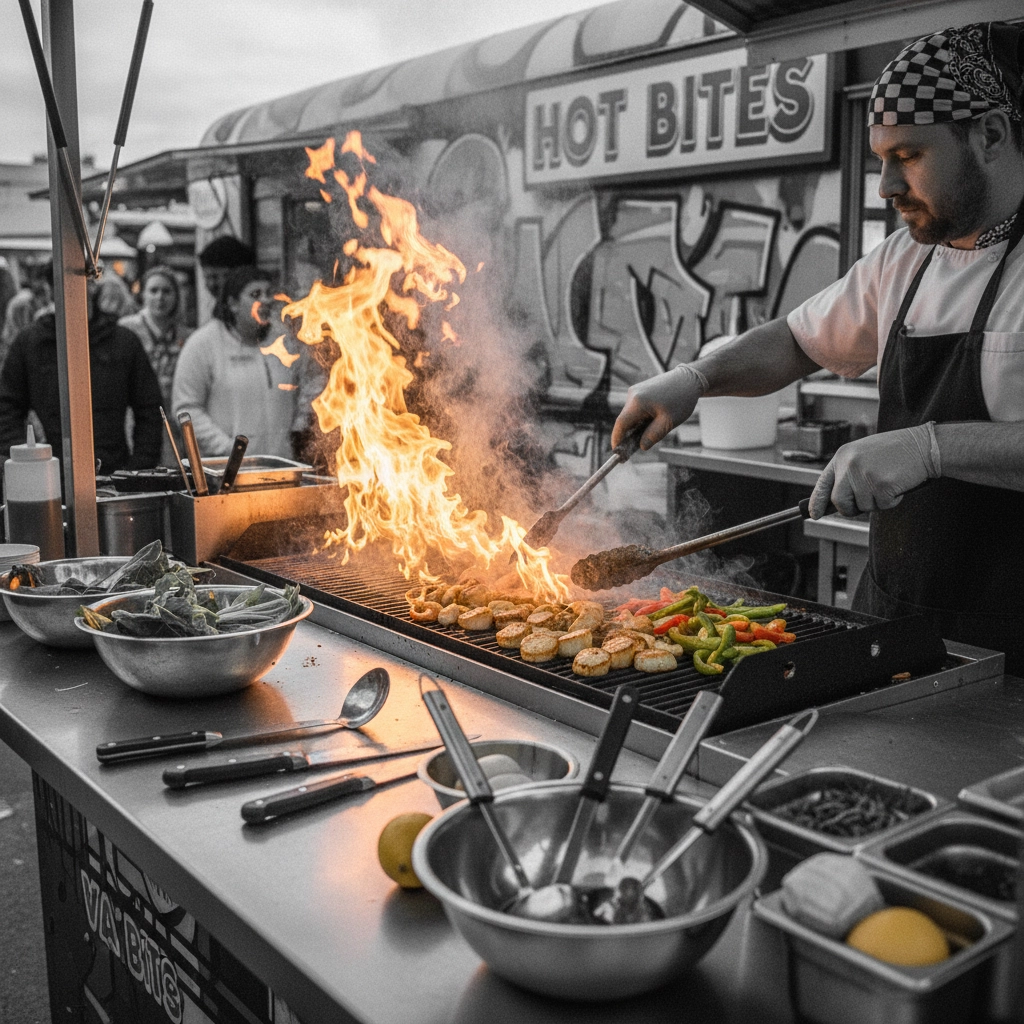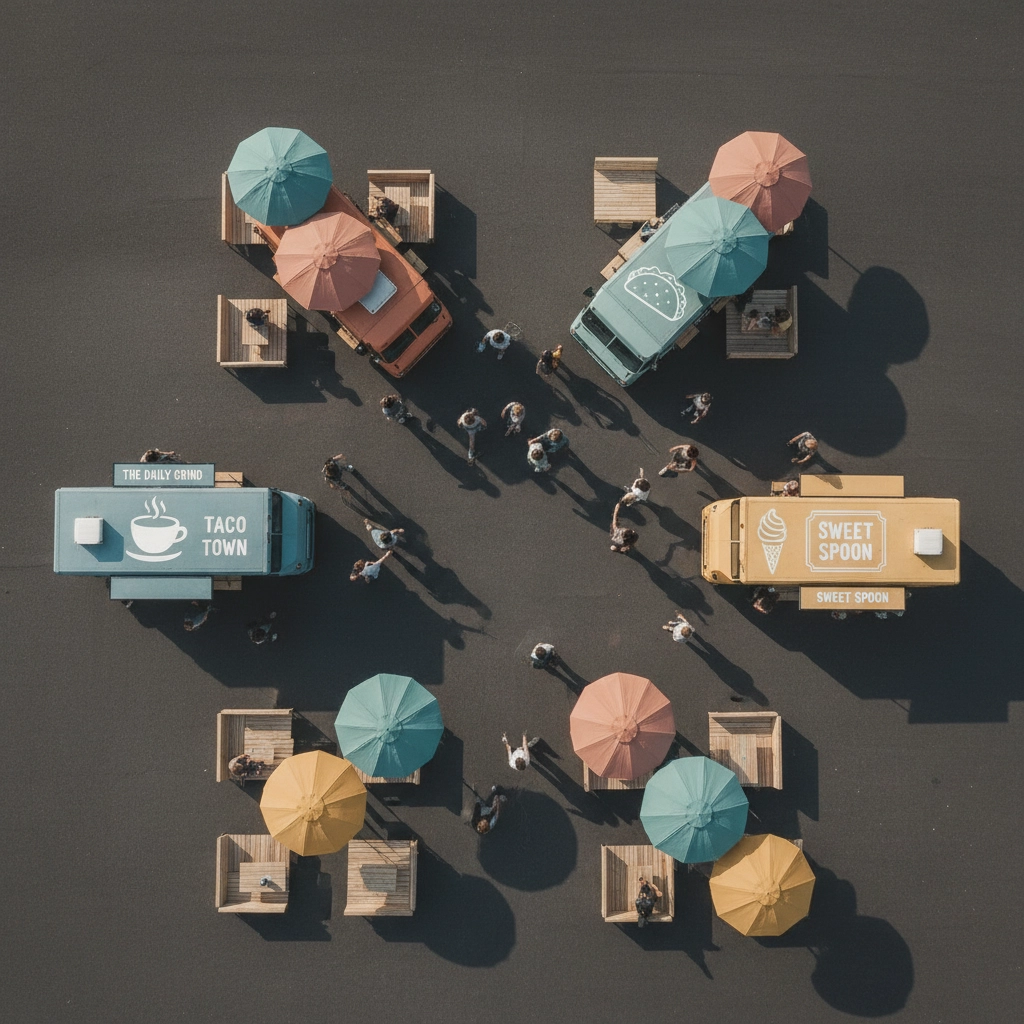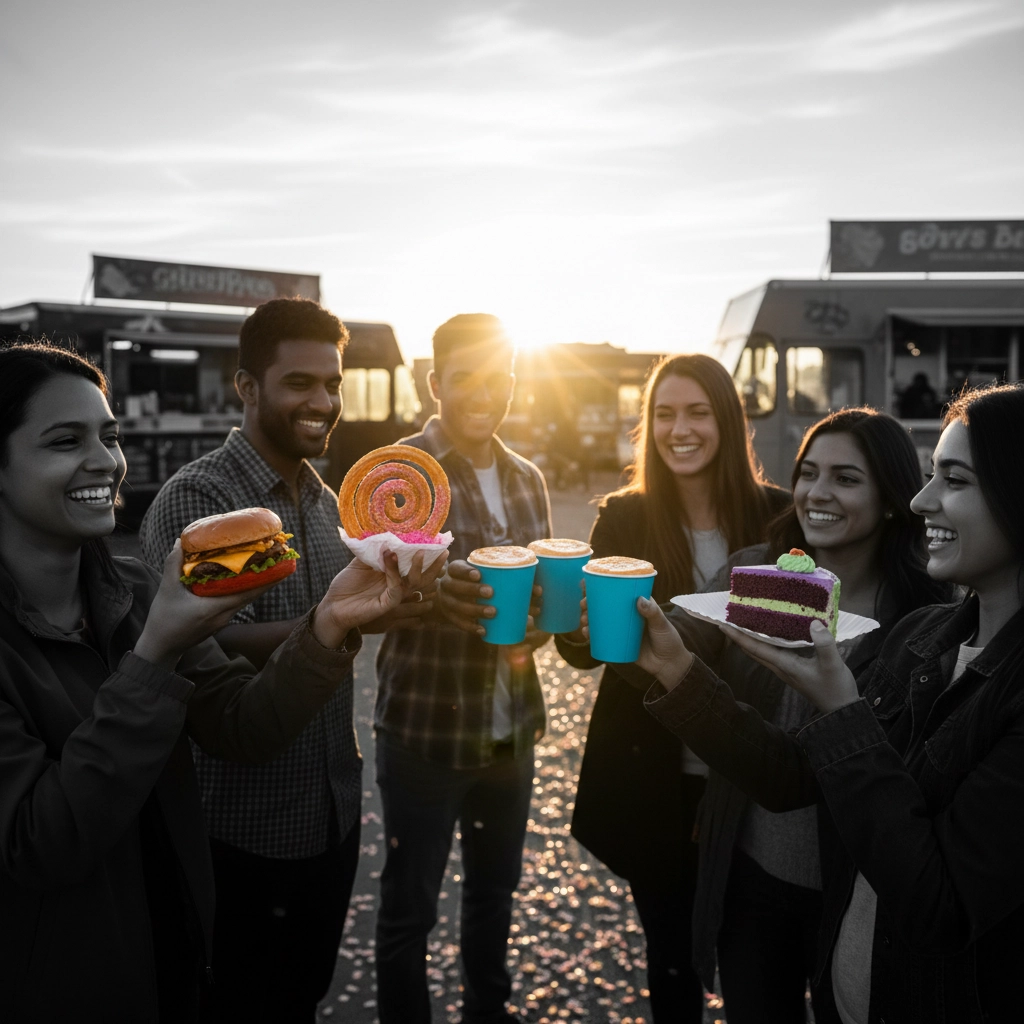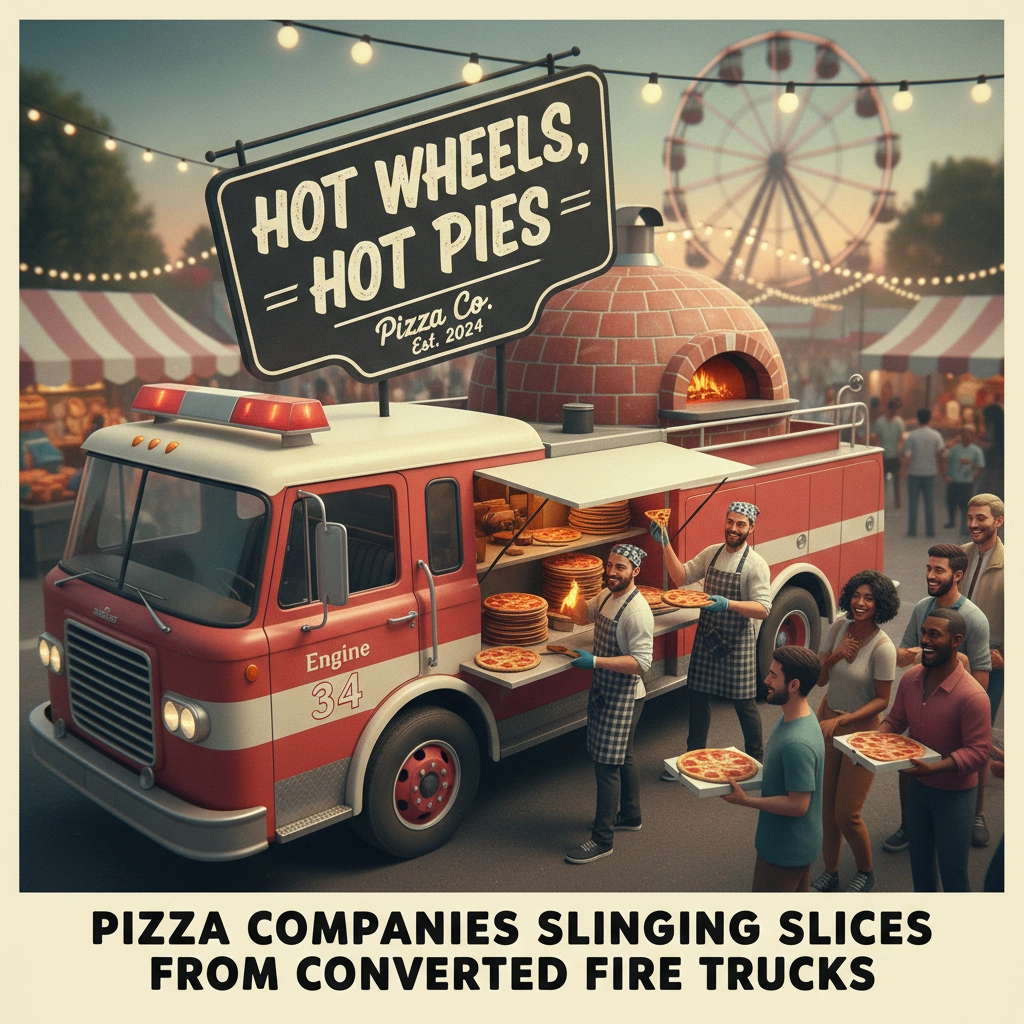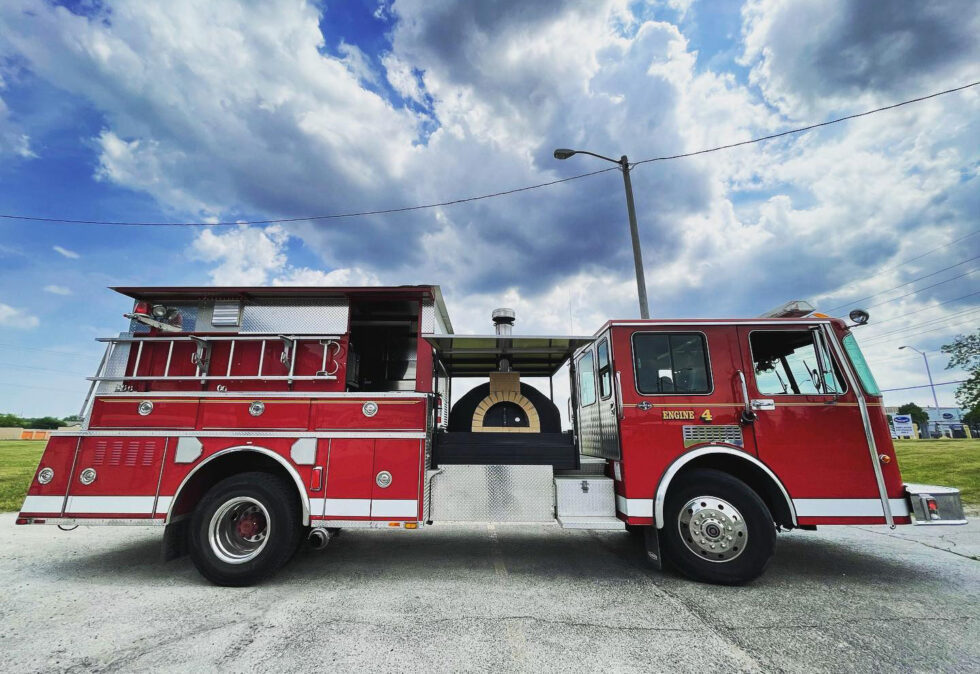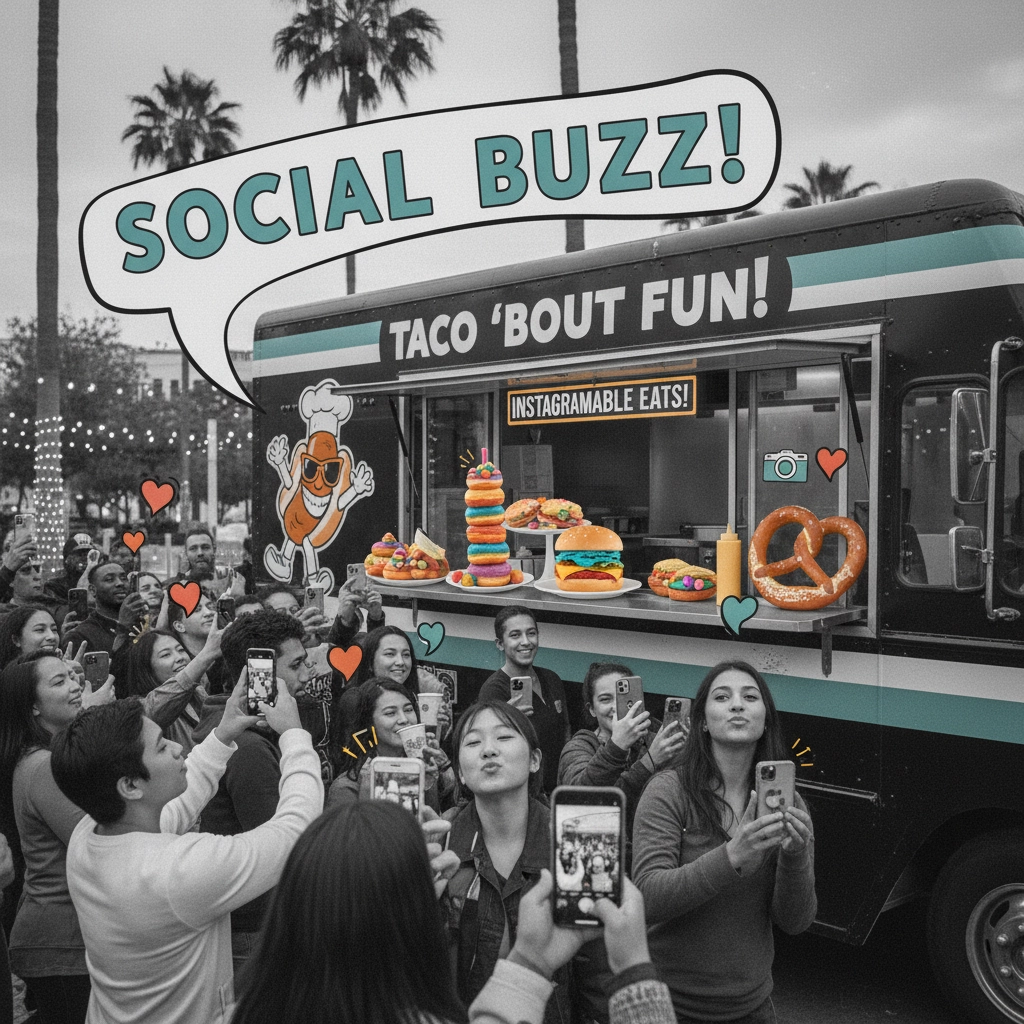
Picture this: your event guests are snapping selfies, posting Stories, and tagging their friends faster than you can say “trending hashtag.” What’s their secret weapon? A brilliantly designed food truck experience that’s practically begging to be shared across every social platform imaginable.
In today’s digital-first world, creating buzz-worthy moments isn’t just nice to have: it’s absolutely essential for event success. The most successful food truck activations transform casual dining into shareable experiences that generate organic reach through user-generated content and authentic storytelling. Ready to turn your next event into a social media goldmine? Buckle up!
Visual Design That Stops Scrollers in Their Tracks
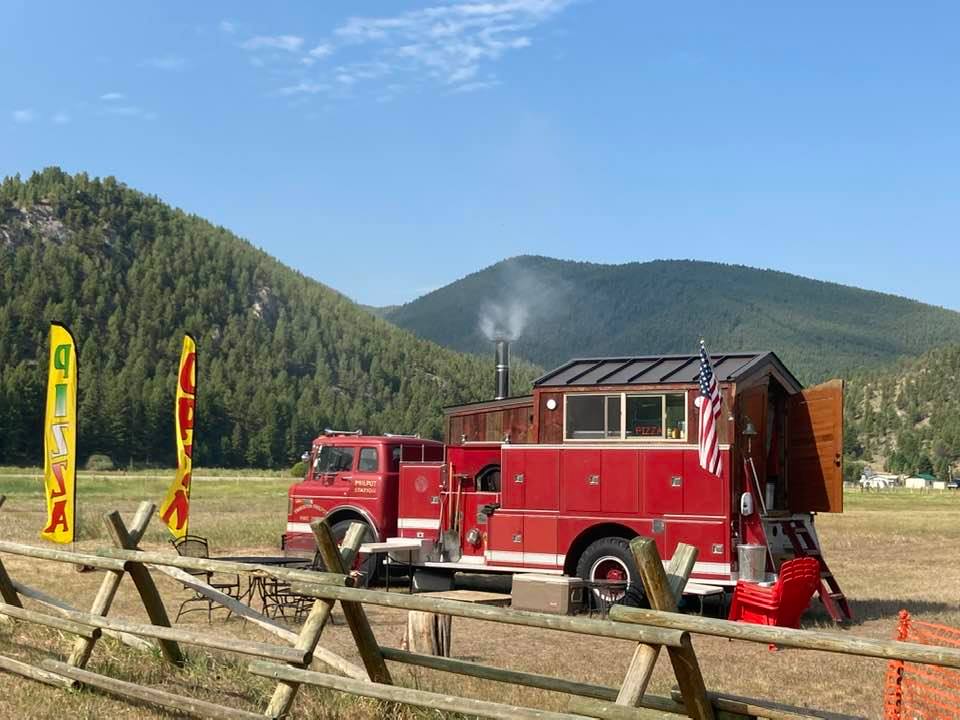
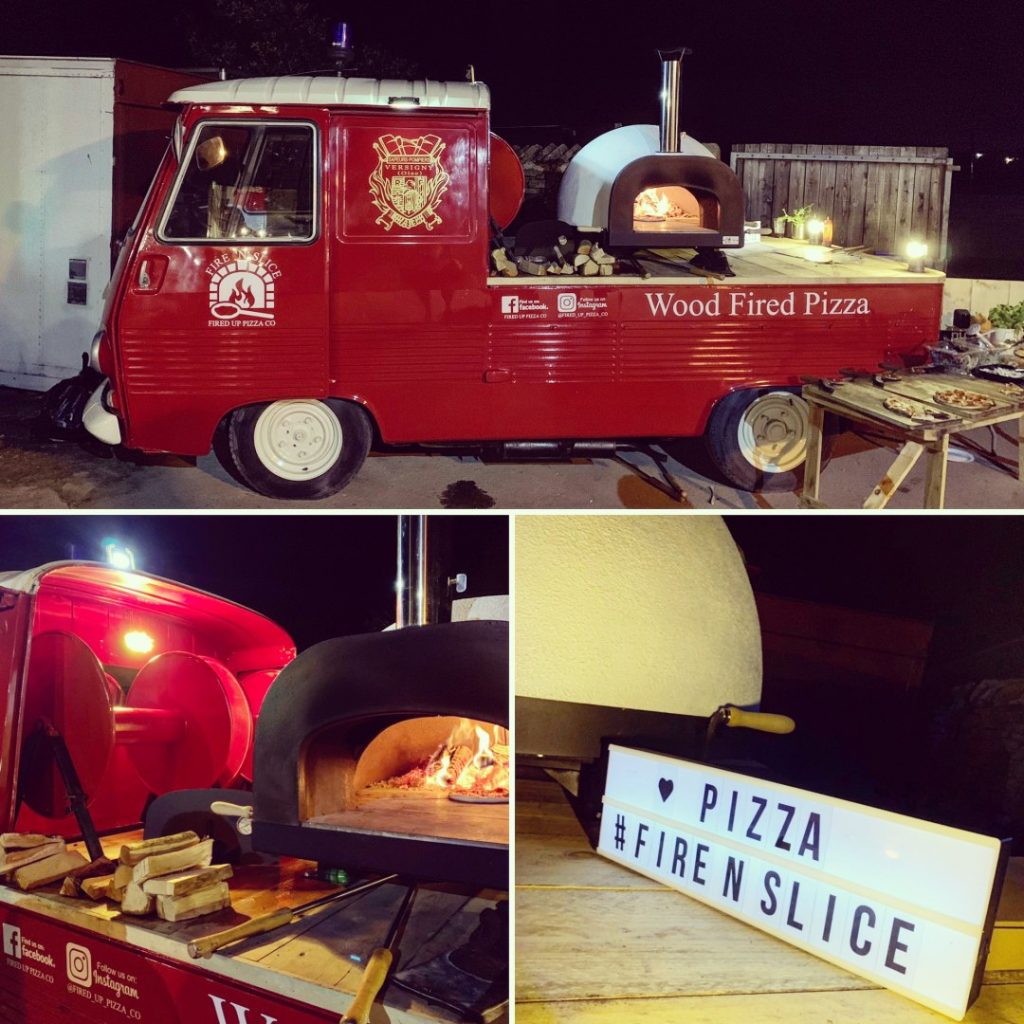
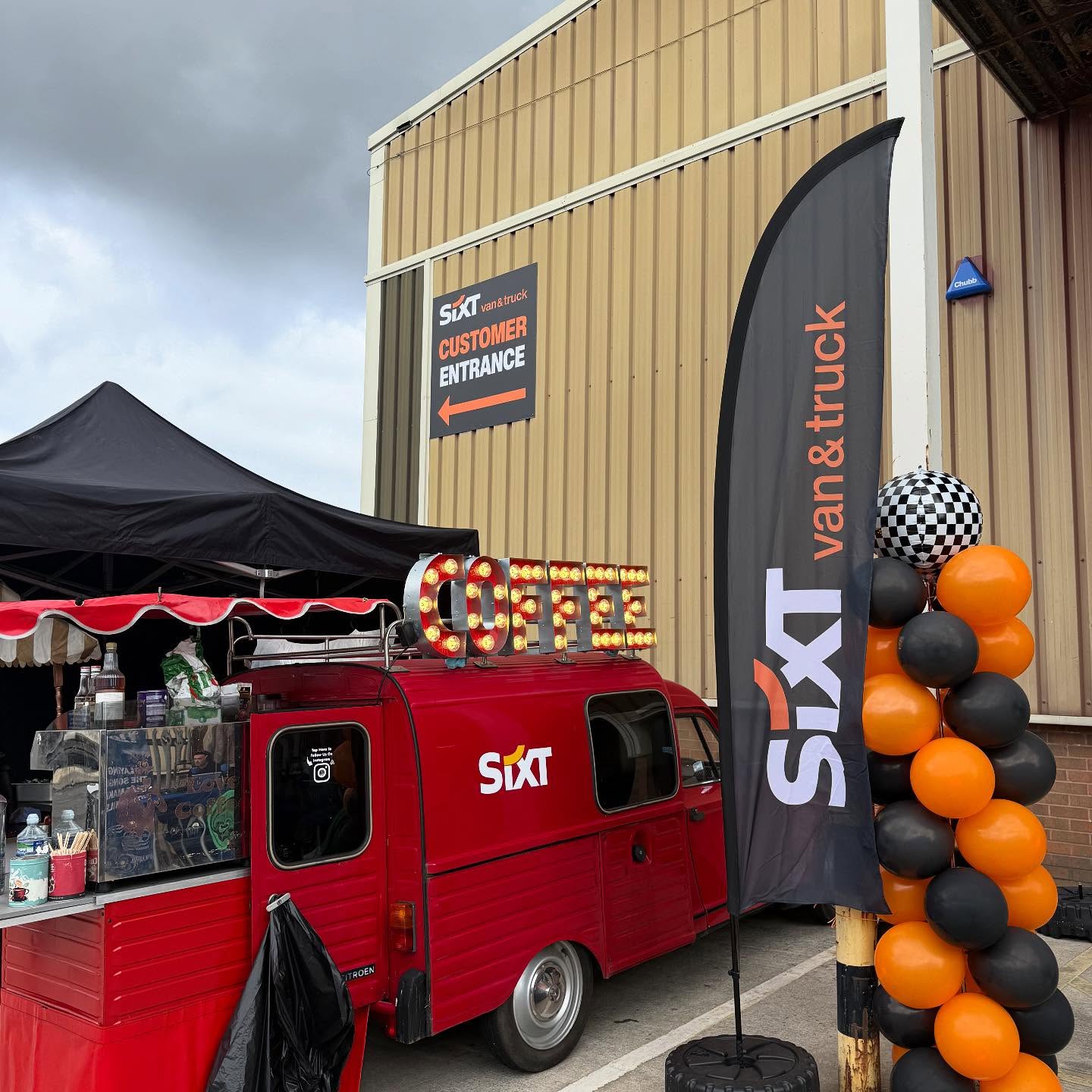
The foundation of any Instagrammable food truck lies in its drop-dead gorgeous aesthetic appeal. Think bright, eye-catching wraps that serve as natural backdrops, encouraging guests to capture and share content without even thinking about it.
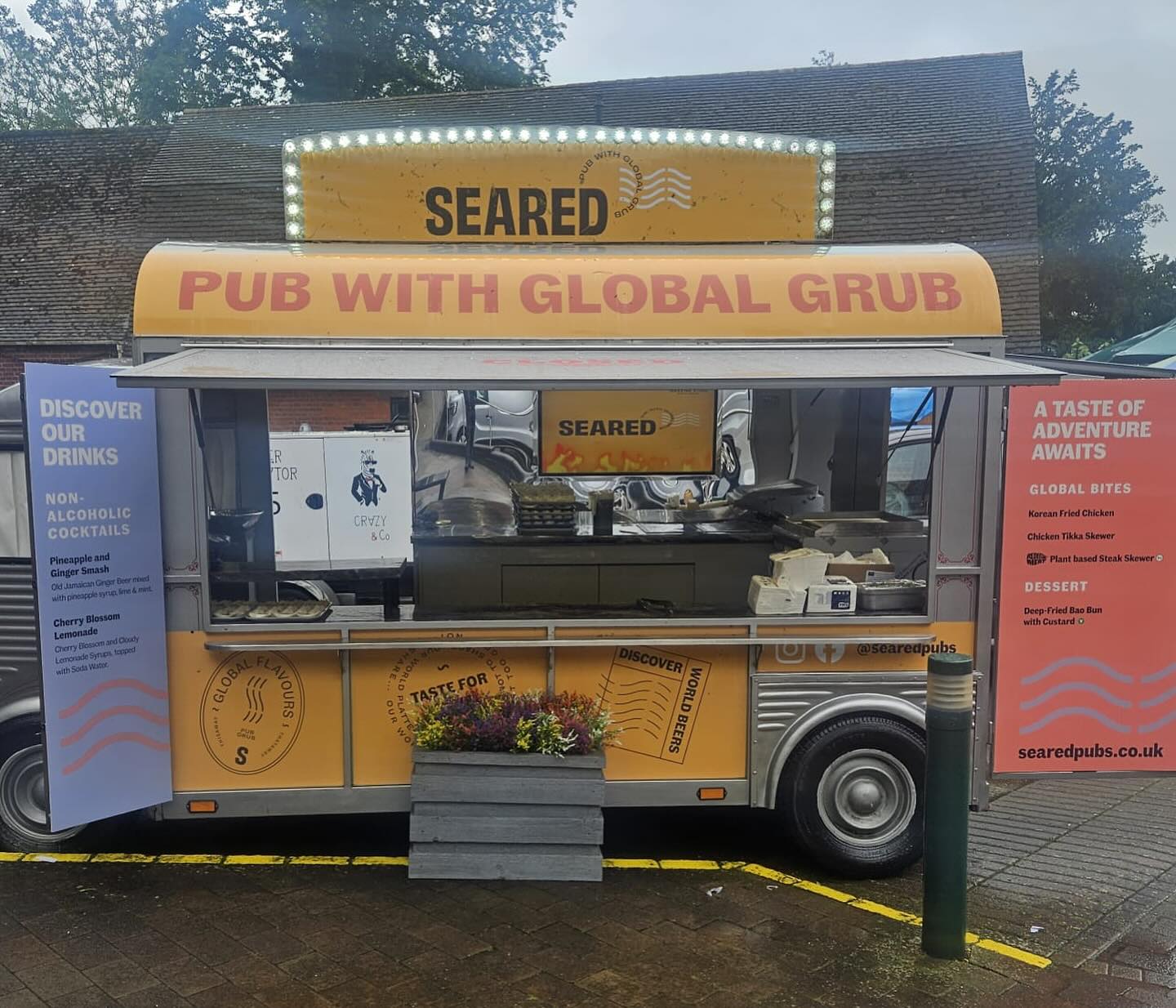
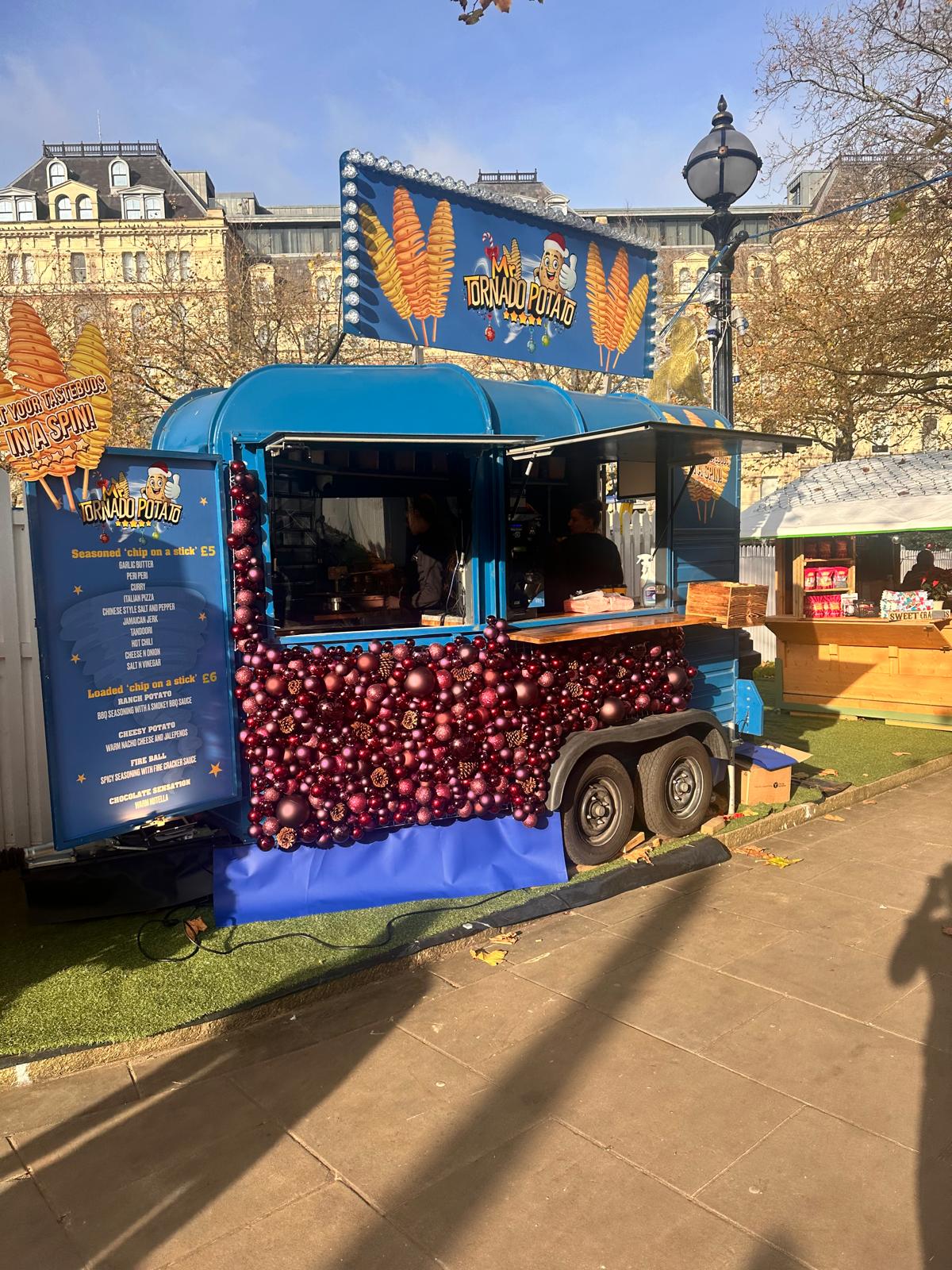
Our vibrant trucks don’t just serve food: they’re rolling art installations that demand attention. Take our sizzling SEARED truck with its bold yellow and silver design, or the festive Mr. Tornado Potato van decked out in maroon and purple baubles. These aren’t just vehicles; they’re carefully crafted visual experiences designed to make your guests’ feeds pop.
But here’s where the magic really happens: dedicated photo opportunities. Position props, customizable backdrops, or cleverly designed signage that aligns perfectly with your event’s theme. These visual anchors act as irresistible invitations for customers to capture and share their experiences. A pop of neon here, a whimsical selfie wall there: suddenly your food truck becomes the star of everyone’s social story.
Consider the psychology of color and design. Bright, contrasting elements not only photograph beautifully but also create that essential “wow factor” that compels people to share. Your truck should be so visually striking that guests feel compelled to capture the moment before they’ve even tasted the food.
Interactive Elements That Create Shareable Moments
Transform passive dining into active engagement through cleverly designed interactive elements. Photo booths: whether traditional setups with customizable backgrounds or modern GIF and video booths: add that tech-savvy dimension that keeps guests lingering, creating, and sharing.
But don’t stop at static photo ops. Incorporate gamification elements, digital screens, and interactive displays that amplify interest and participation. These components not only captivate audiences but also subtly promote your brand while giving guests multiple reasons to engage and share.
Think beyond the ordinary: spinning wheels for flavor selections, oversized props for group photos, or even augmented reality filters that let guests virtually “try on” your brand. The key is creating moments that feel natural and fun rather than forced marketing ploys.
Food Presentation That’s Pure Eye Candy
Here’s a delicious truth: your menu items need to be as photogenic as they are tasty. Eye-catching food photos on social media attract far more customers than traditional advertising methods ever could.
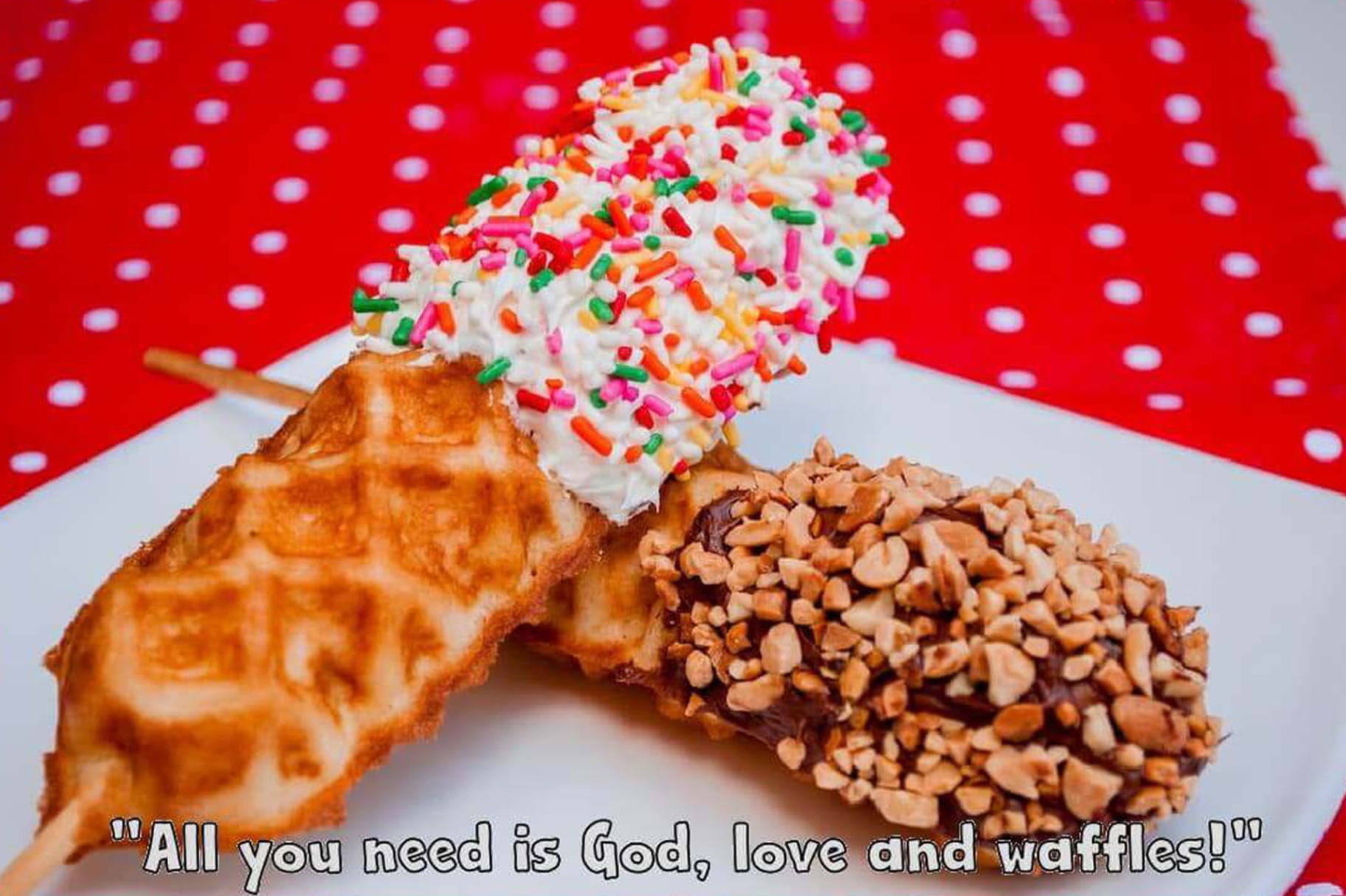
Take our Waffle Pops, for instance: two perfectly crafted waffle pops on sticks, one topped with fluffy whipped cream and rainbow sprinkles, the other drizzled in rich chocolate and chopped nuts. Served on crisp white plates against vibrant backgrounds, they’re practically Instagram-ready before they leave the serving window.
Every element matters: the colorful toppings cascading down perfectly, the branded packaging that reinforces your identity, even the angle at which the food is served. Make your dishes visually distinctive with thoughtful plating that photographs beautifully under any lighting condition.
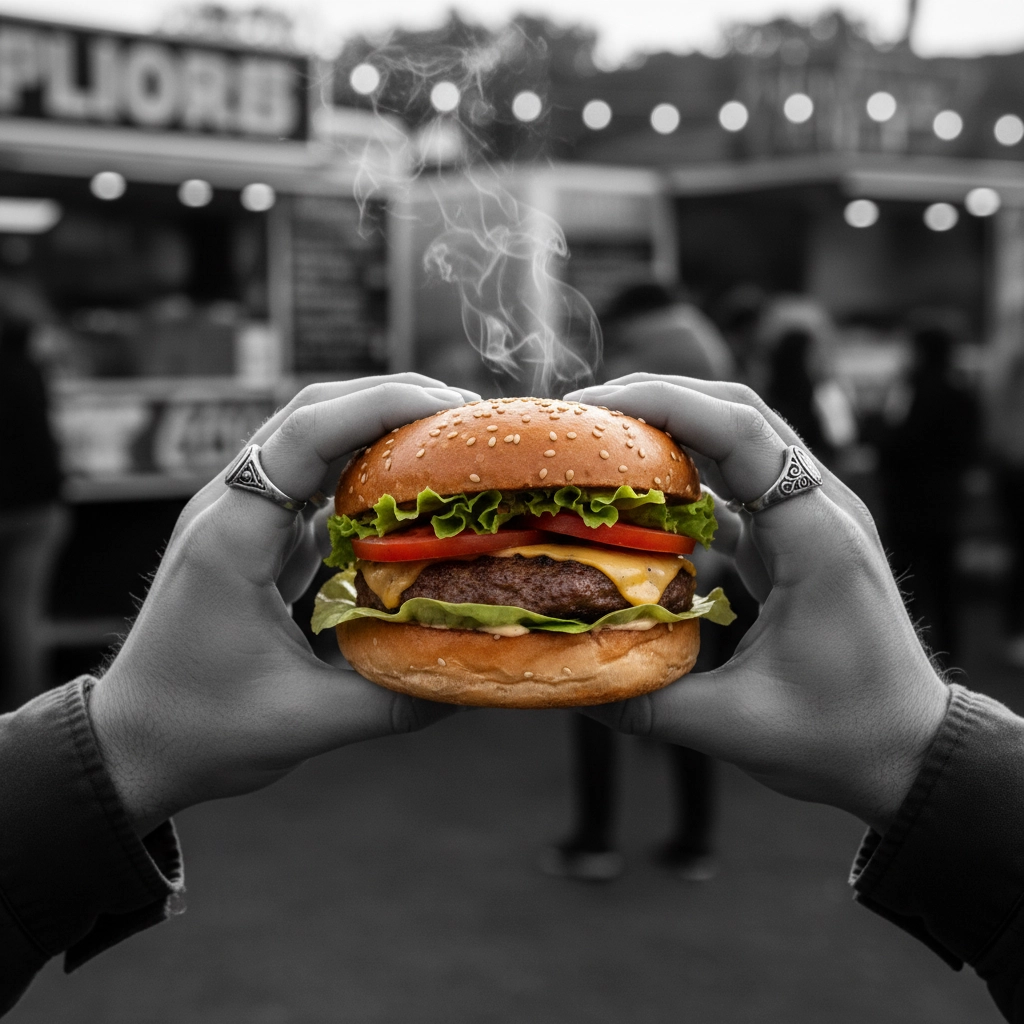
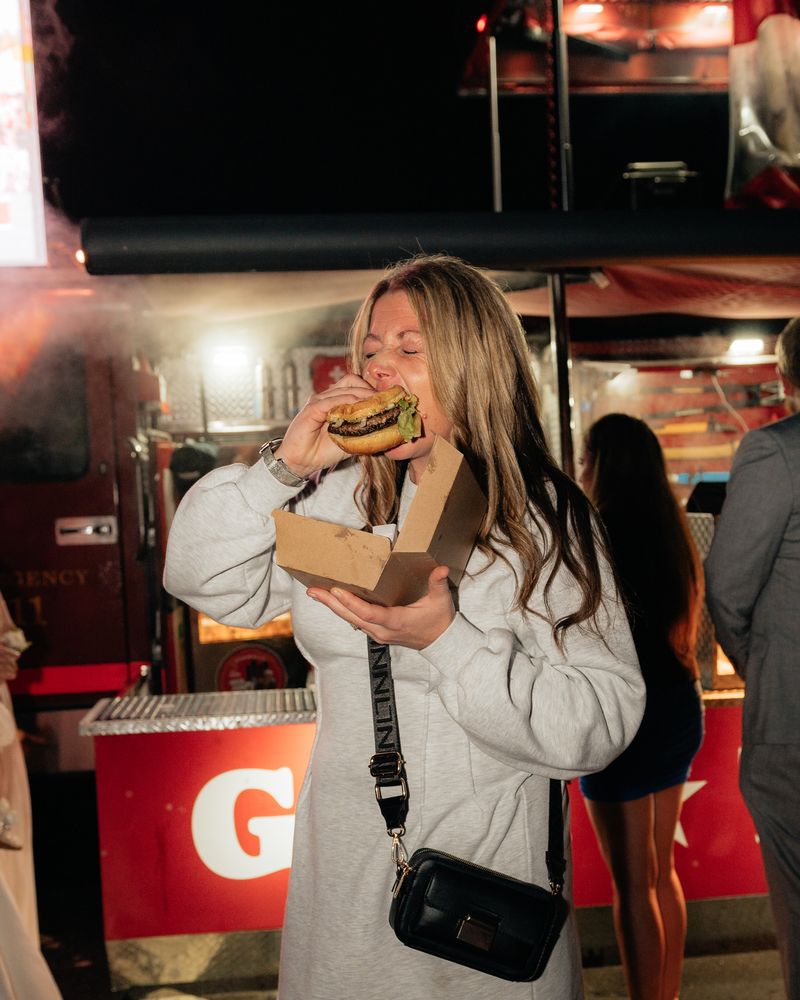
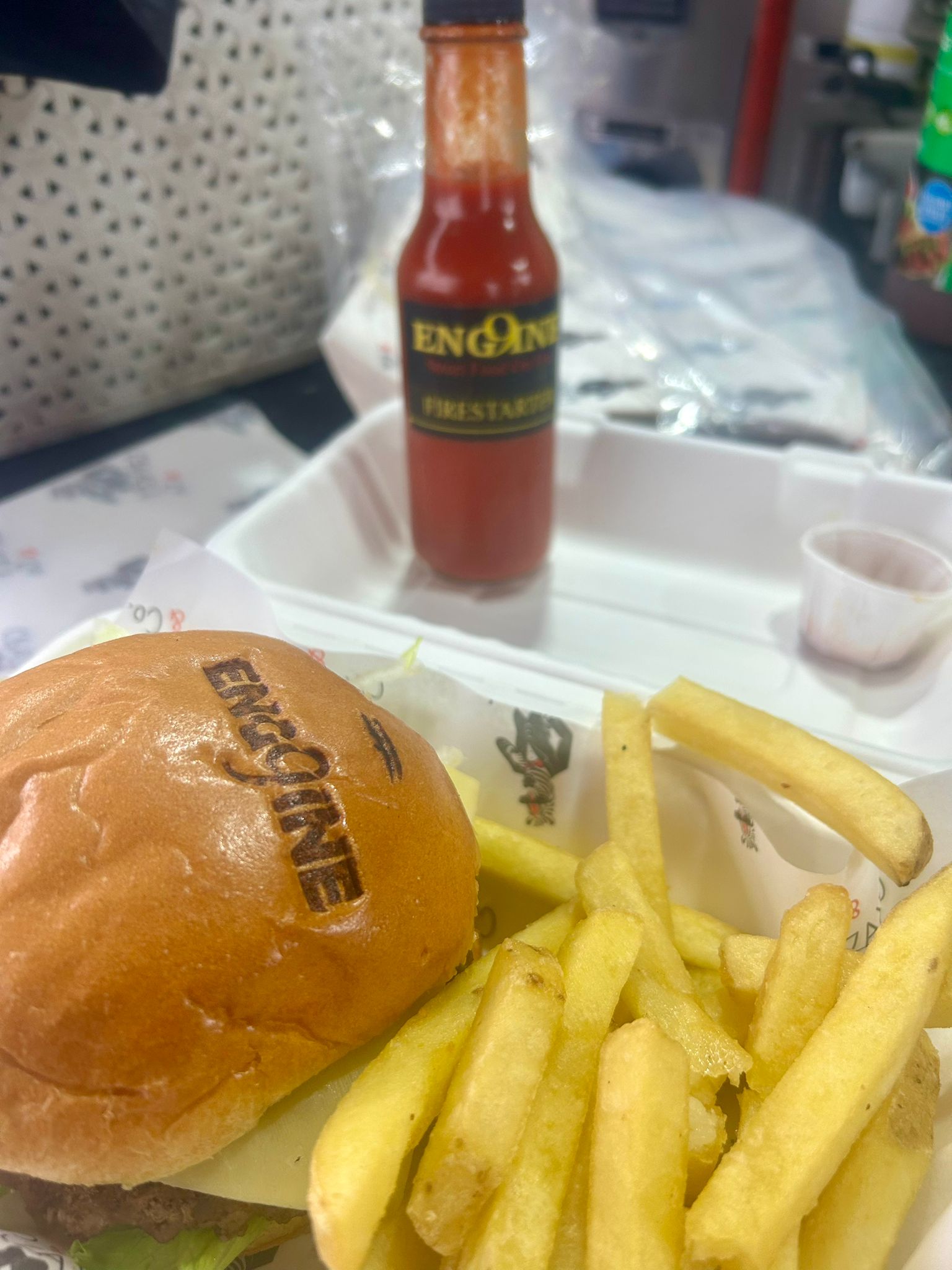
Consider the “shareability factor” of each menu item. Does it have interesting textures? Bold colors? Unique presentation styles? Our ENG9INE burgers arrive with the brand stamped directly on the bun, creating an instantly recognizable and shareable moment that customers love to capture.
Strategic Social Media Integration
Your social media strategy should be a carefully orchestrated symphony spanning before, during, and after your event. This isn’t a “set it and forget it” situation: it requires active engagement and real-time responsiveness.
Pre-event preparation involves developing captivating, branded hashtags that are both memorable and unique to your activation. Create shareable content that builds anticipation: behind-the-scenes prep videos, menu sneak peeks, and location teasers that get people excited before they even arrive.
During the event, employ live streaming and real-time social media updates to extend your reach far beyond physical attendees. Encourage customers to share their experiences with clear calls-to-action and incentivize posts through exclusive promotions, shoutouts, or special offers for tagged photos.
The combination of striking truck design, unique menu items, and your built-in content creation opportunities generates a natural stream of Instagram Stories and TikTok clips. This provides organic reach seasoned with authentic, user-generated content that money simply can’t buy.
Consider adding roaming photographers or partnering with local influencers to feed real-time content to Stories, Reels, and other platforms. This transforms your live crowd into expanded digital reach, multiplying your event’s impact exponentially.
Real-World Magic: Our Trucks in Action
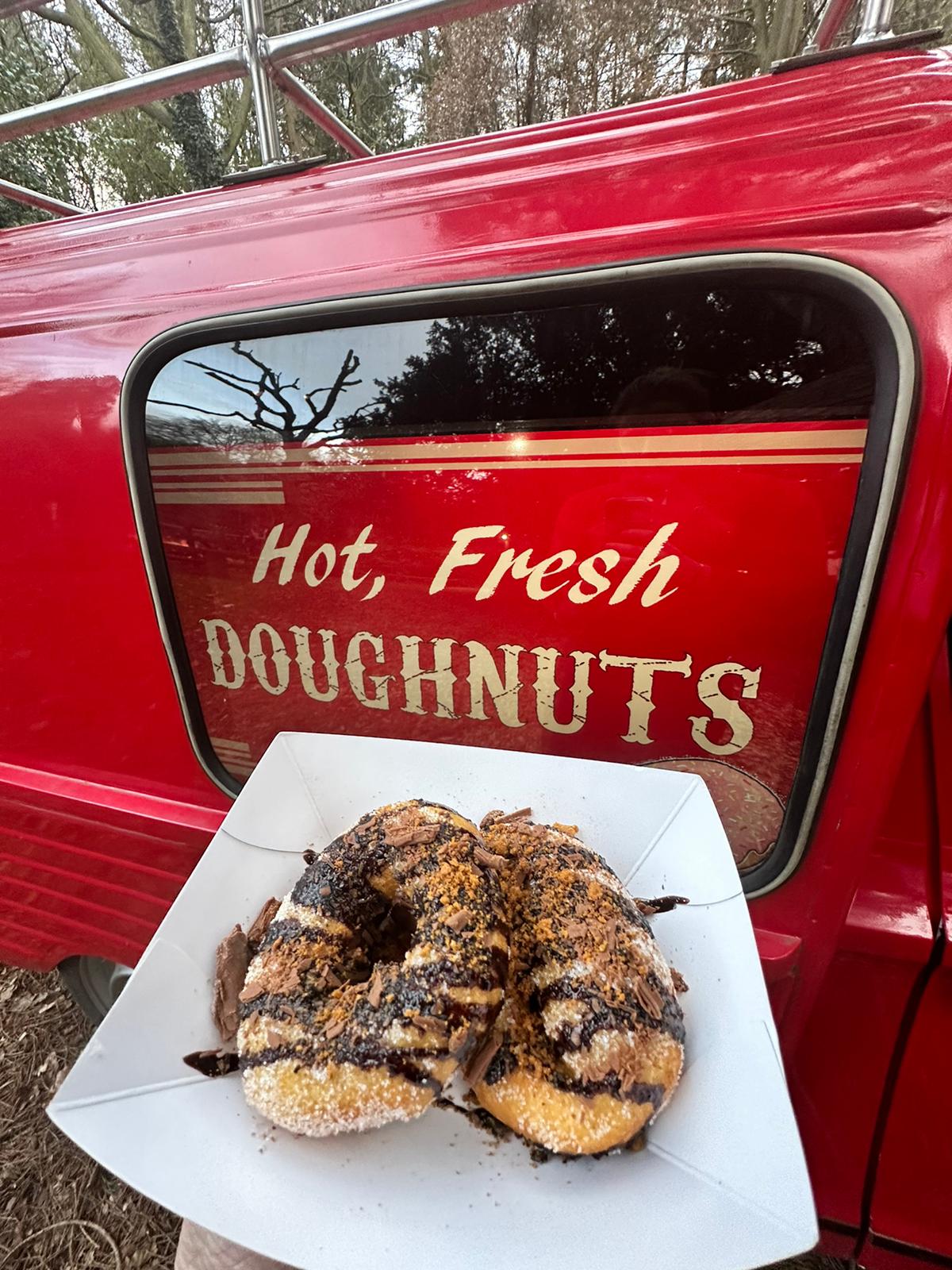
Let’s talk specifics. Our Hot, Fresh Doughnuts truck creates natural Instagram moments with its bright red exterior and steaming, chocolate-drizzled treats served fresh from the fryer. The contrast of rich chocolate against colorful sprinkles, served on clean white trays, creates that perfect “indulgent treat” aesthetic that performs beautifully across all social platforms.
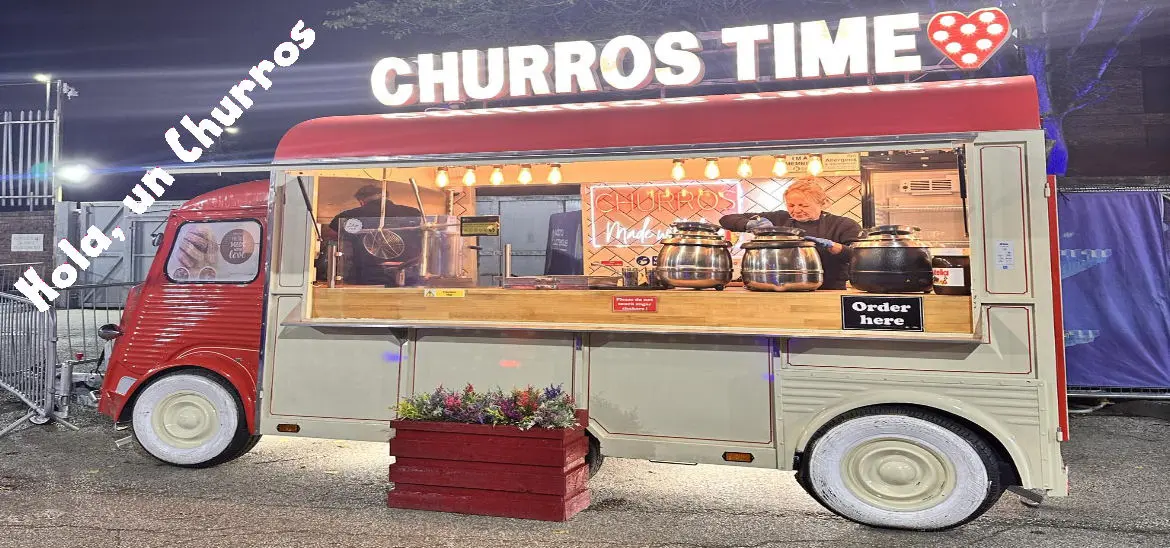
Our CHURROS TIME truck takes evening events to another level with its retro styling and warm lighting. Staff preparing fresh churros behind wooden counters, pots of melted chocolate sauce gleaming under string lights: it’s a feast for the senses that translates beautifully to social media storytelling.
Your Action Plan for Social Media Success
Ready to transform your next event into a social media sensation? Here’s your battle-tested checklist:
Visual Preparation:
- Ensure truck branding is bold, colorful, and photo-ready
- Create designated photo zones with props and signage
- Design menu items with visual appeal in mind
- Test lighting conditions for optimal photo quality
Engagement Strategy:
- Develop unique, branded hashtags for your event
- Train staff to encourage social sharing naturally
- Offer incentives for tagged posts and reviews
- Create shareable moments throughout the entire experience
Content Amplification:
- Partner with local influencers whose audiences align with your brand
- Schedule pre-event teasers across all platforms
- Maintain active posting during events with live updates
- Follow up post-event with highlights and customer features
Technical Considerations:
- Ensure reliable WiFi for guests’ posting needs
- Create clear signage with social handles and hashtags
- Design packaging that photographs well and reinforces branding
- Position trucks for optimal natural lighting throughout the day
The secret to maximizing social buzz lies in designing an aesthetic and experience that encourages spontaneous sharing while making it effortless for guests to tag your brand and spread the word across their networks.
Your food truck isn’t just serving meals: it’s creating memories, sparking conversations, and generating the kind of authentic buzz that transforms one-time visitors into loyal brand ambassadors. When you nail the perfect combination of visual appeal, interactive engagement, and strategic social integration, you don’t just feed people: you feed their need to share, connect, and be part of something extraordinary.
Ready to make your next event the talk of every timeline? Let’s create some seriously shareable magic together.