National Fish and Chips Day is a celebration that goes beyond the crispy batter and golden fries. It’s a day that honors a dish deeply rooted in British culture, and its influence around the globe.
But how can this day be leveraged beyond the dinner plate?
For marketing managers, it presents a unique opportunity. A chance to create engaging content that resonates with their audience, and stands out in a saturated market.
For wedding planners, it’s an avenue to explore. Booking a fish and chip food truck can add a wow factor to their event, offering a unique and memorable dining experience.
So, whether you’re a food enthusiast, a marketing professional, or a wedding planner, join us as we dive into the world of fish and chips. Let’s explore its history, significance, and the many ways to celebrate National Fish and Chips Day.
Mobile Fish And Chips
The History and Significance of National Fish and Chips Day
Fish and chips have a storied past that dates back to the 19th century. Their journey began in the United Kingdom, becoming a staple through the twists of history.
During World War II, fish and chips became crucial. Remarkably, it was one of the few foods not rationed, sustaining the nation during tough times.
National Fish and Chips Day celebrates this beloved dish and its cultural roots. Observed annually, it unites communities, food enthusiasts, and local businesses.
For many, it’s more than a meal; it symbolizes tradition and simplicity. It brings people together over a shared love for crispy fish and fluffy chips.
This celebration also highlights the dish’s importance in the culinary world. Events and special offers across the country create a buzz that elevates fish and chips beyond the plate.
Celebrating National Fish and Chips Day: Ideas and Events
National Fish and Chips Day is a chance to indulge in this iconic dish. Embrace creative celebrations with friends and family.
Many fish and chip shops offer enticing deals. Keep an eye out for discounts and special menu items that elevate your experience.
Hosting a fish and chips-themed party? Consider fun decor and activities. Create a coastal vibe with nautical decorations and seaside tunes.
Here are some ideas to make your celebration unique:
Host a fish and chips tasting event.
Share your creations on social media using specific hashtags.
Pair fish and chips with local craft beers or ciders.
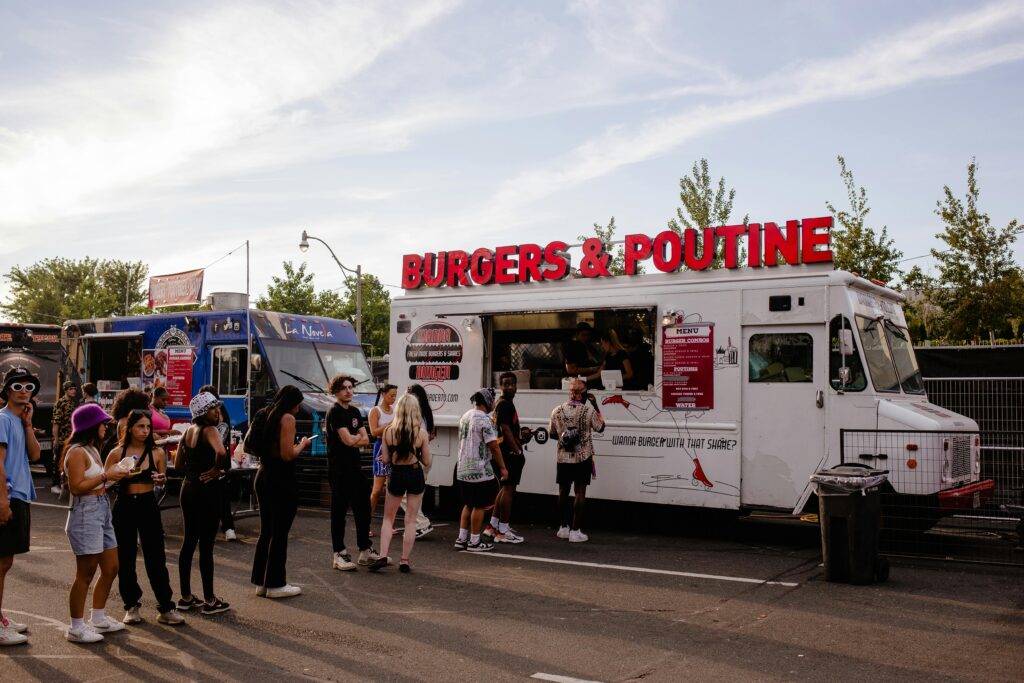
Join community events. Attend local celebrations at parks or venues, where food trucks gather to serve piping hot fish and chips.
Don’t forget to share your delicious moments online. Engage with other fish and chips enthusiasts by posting pictures and stories from your celebration.
For Marketing Managers: Engaging Content Strategies for National Fish and Chips Day
National Fish and Chips Day is a golden opportunity for marketing managers. It’s time to craft content that sizzles and delights.
Start by creating a strong narrative. Share the rich history and global appeal of fish and chips. Tell the story of how this dish became a cherished tradition.
Embrace social media to connect with audiences. Use engaging visuals, like mouth-watering images of crispy fish and golden chips. Encourage followers to share their favorite fish and chips memories.
Consider hosting a virtual tasting event. Invite food bloggers and influencers to join. Their participation can expand your reach and attract diverse audiences.
Finally, offer themed promotions. Create limited-edition menu items or special discounts. Encourage customer interaction and build a buzz around this delightful day. By being creative and authentic, you’ll capture the hearts of fish and chips lovers everywhere.
For Wedding Planners: Booking a Fish and Chip Food Truck with Wow Factor
Imagine the delight on your guests’ faces as they spot a charming fish and chip food truck. It’s a crowd-pleaser, offering a nostalgic and delicious meal.
A food truck adds an interactive element to any wedding. Guests can enjoy watching as their meals are freshly prepared. This creates a unique and memorable experience.
When selecting a food truck, choose one that uses sustainable seafood. This choice appeals to eco-conscious guests and ensures quality. Plus, it’s a talking point that sparks interest.
Consider logistics when booking. Ensure there’s enough space for the truck and think about power requirements. Discuss these details with your venue in advance to avoid surprises.
Finally, don’t forget the details. Personalize the truck with customized decor that matches your wedding theme. This thoughtful touch adds a layer of sophistication and ensures your wedding stands out.
The Best Fish and Chip Food Trucks Across the Country
As food trucks rise in popularity, many excel in serving top-notch fish and chips. These trucks offer more than just taste; they bring excitement to any event.
Scour the streets of London for the iconic “Cod Almighty.” Known for its crispy batter and perfectly cooked fish, it’s a crowd favorite.
In the heart of New York, “The Plaice To Be” tantalizes taste buds with its innovative twists on a classic dish. From cod to calamari, they serve fresh and sustainable seafood.
On the West Coast, “Chippy Chippy Bang Bang” offers a mobile dining experience unlike any other. They fuse modern flavors with traditional techniques, making them a standout choice for your special day.
Sustainable Seafood and Healthier Options for Fish and Chips
Sustainability is becoming a central focus in the seafood industry. Choosing sustainably sourced fish is vital for preserving ocean health.
Opting for species like pollock or haddock can ensure a greener choice. These options support the ecosystem while providing delicious meals.
Healthier cooking techniques are also available. Baking or air-frying fish can reduce oil consumption, offering a lighter dish.
Innovative chefs are exploring alternatives like plant-based “fish” options. These choices cater to those seeking a healthier lifestyle without sacrificing flavor.
The Cultural Impact of Fish and Chips Beyond the UK
Fish and chips have crossed borders and oceans. This iconic dish has sparked a global love affair with its simple yet satisfying flavors.
In Australia, fish and chips have become a beachside staple. Locals and tourists alike enjoy this meal under sunny skies.
Across the pond, the United States has embraced this classic. It often appears in pubs and seafood shacks, cherished by those seeking comfort food.
Fish and chips have even entered the realms of gourmet dining. Chefs worldwide are reimagining and elevating the dish, proving its lasting appeal and universal charm.
Conclusion: Embracing Tradition and Innovation on National Fish and Chips Day
National Fish and Chips Day is a celebration of history. It combines nostalgia with new trends. Embrace the classic dish. Explore its modern variations, too.
Whether you’re a foodie, a marketer, or a planner, this day offers something unique. Celebrate with creativity and a nod to tradition. Enjoy the feast!
In the bustling world of marketing, standing out is a challenge. The market is saturated, and capturing the attention of consumers is no easy feat.
Enter food, a universal language that resonates with everyone. It’s more than just sustenance; it’s an experience, a memory, a story waiting to be told.
Food brand engagement is the art of turning this experience into a marketing strategy. It’s about creating a buzz, a sense of anticipation and excitement around your brand.
This article explores how to leverage food to increase brand awareness and customer engagement. We delve into innovative marketing strategies, with a particular focus on food trucks.
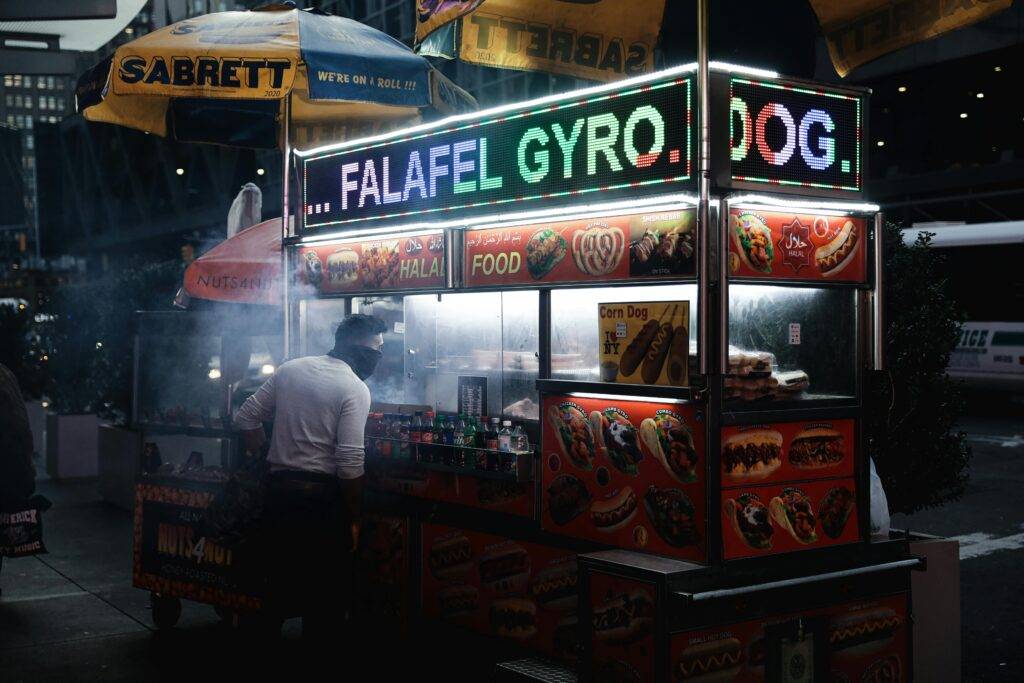
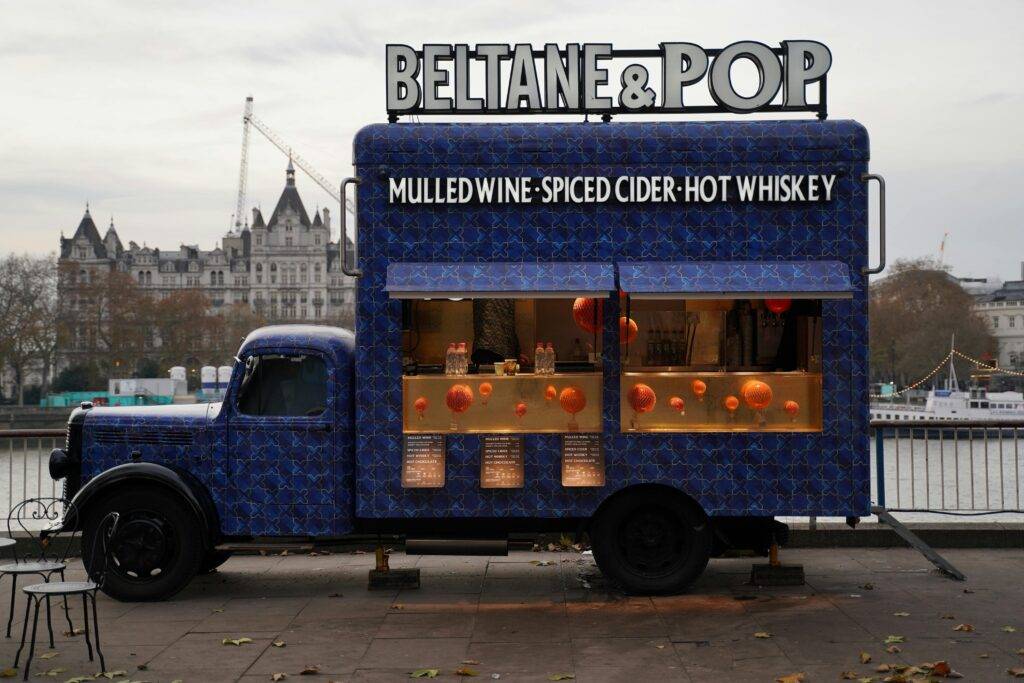
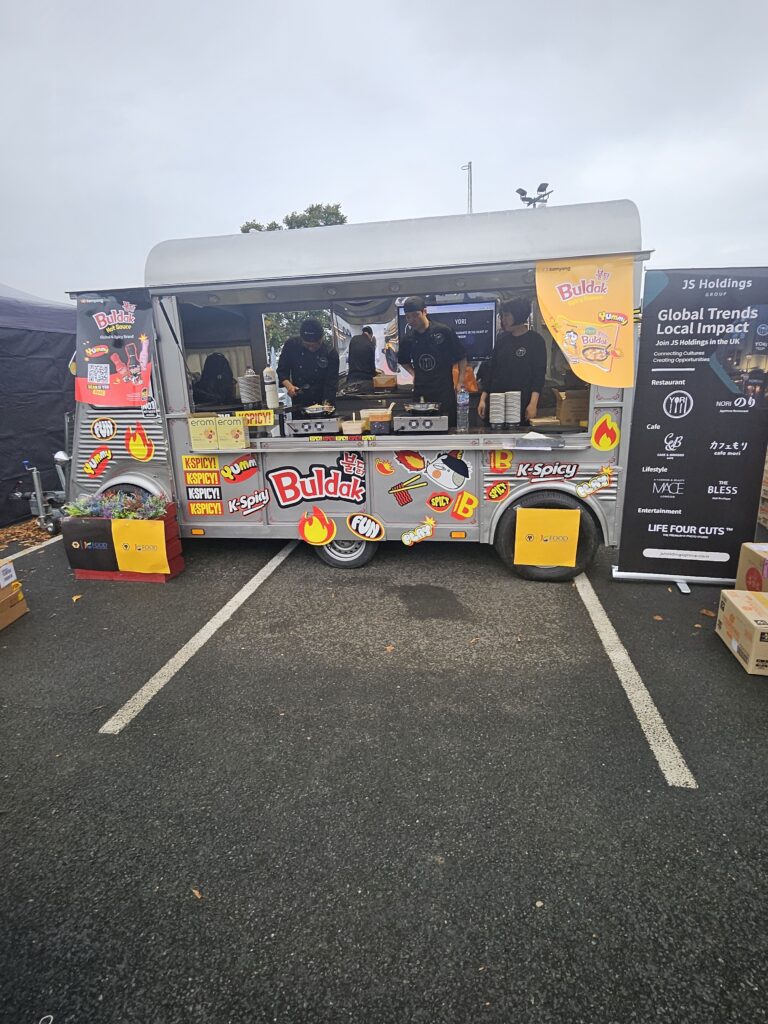
Food trucks are not just mobile eateries; they are moving billboards for your brand. They offer a unique opportunity to create memorable, Instagrammable moments that resonate with your audience.
Whether you’re a marketing manager looking to spice up your content strategy or a wedding planner seeking a wow factor, this article is for you.
Get ready to embark on a culinary journey that will transform your approach to brand engagement. Let’s turn food into a powerful tool for creating buzz around your brand.
The Appetizing Intersection of Food and Marketing
In marketing, food transcends its edible appeal; it serves as a dynamic medium of communication. The senses it tantalizes make food a potent element in crafting memorable brand experiences. This advantage allows brands to create connections through taste, aroma, and visual delight.
Understanding this power, brands are increasingly turning food into a canvas for storytelling. This approach engages consumers not just through flavor, but through narrative and visual flair. By integrating cultural cues and personal stories, food becomes a bridge to consumer hearts and minds.
The role of food in marketing extends beyond its initial impression. It invites interaction, discussion, and even loyalty, as customers become advocates for the experiences they’ve enjoyed. Food can evoke nostalgia, pleasure, and curiosity, making it a versatile tool for engaging diverse audiences.
Experiential marketing thrives on such interactions, where the act of tasting or sharing food transforms into a communal experience. It’s about more than just selling a product; it’s about fostering relationships and memorable moments that stick with consumers.
Moreover, food naturally lends itself to virality. A well-presented dish, an exotic flavor, or a unique culinary story can easily become a conversation starter on social media platforms. When consumers share their food experiences online, they inadvertently become part of the brand’s marketing team.
In this dynamic intersection of food and marketing, opportunities for creativity abound. Brands can leverage this medium to craft stories that captivate, engage, and convert, turning the mundane into something magical and memorable.
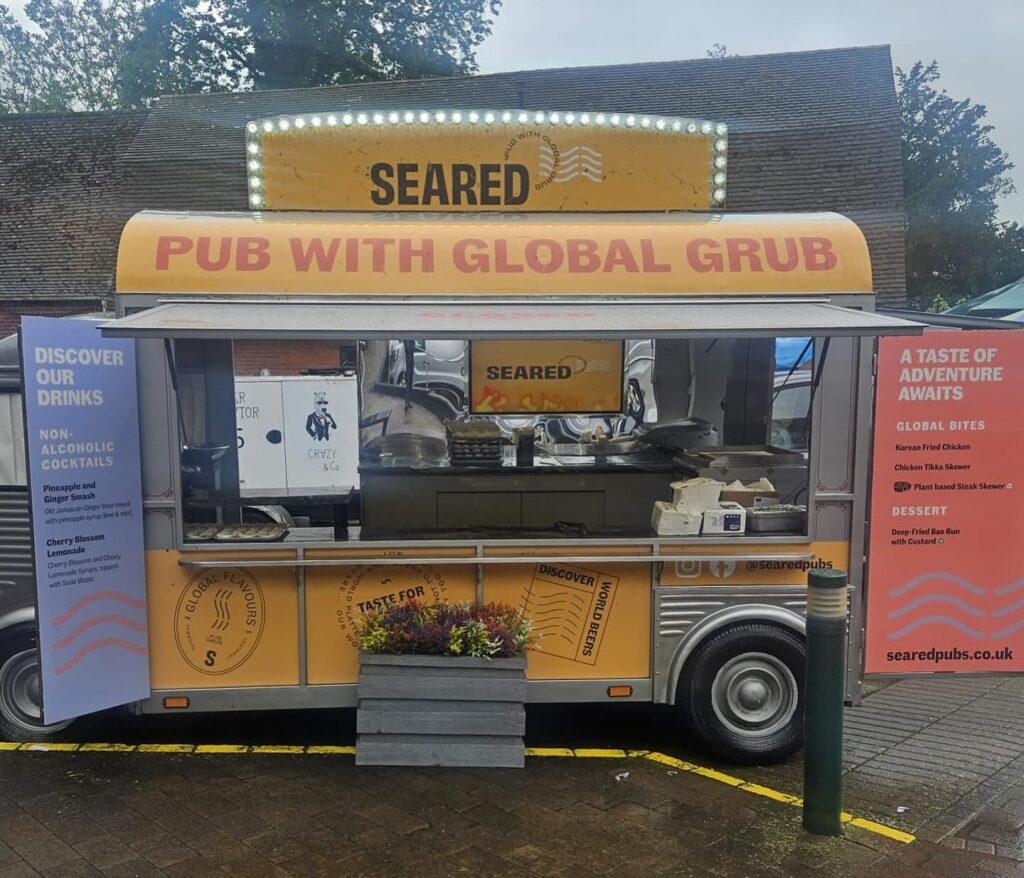
Seared Branded Food Truck
Understanding Your Audience’s Palate
To engage through food, brands must first understand their audience’s palate. Knowing what excites and satisfies them is crucial. It requires an exploration of their tastes, preferences, and dining habits, which helps in tailoring experiences that resonate deeply.
Market research becomes essential in this process, offering insights into consumer behavior and cultural influences. Such knowledge allows brands to curate food experiences that not only meet but exceed expectations. When consumers feel understood, they are more likely to connect emotionally with a brand.
Creating food offerings that mirror your audience’s desires fosters a sense of belonging and loyalty. It’s about hitting the sweet spot where brand message aligns seamlessly with consumer cravings. Thus, mastering the art of audience understanding is pivotal in turning a simple meal into a powerful engagement tool.
The Challenges of a Saturated Market
Standing out in a saturated market is no easy task. With countless brands vying for attention, creating a distinctive food experience is essential. The challenge lies in capturing the audience’s interest amid a sea of options.
To differentiate, brands need to innovate and think outside conventional parameters. This might involve introducing unique flavors, hosting exclusive events, or creating visually stunning presentations. Innovation can be the spark that sets a brand apart in a crowded space.
Moreover, effective communication of brand values is vital. Brands that convey a clear, compelling narrative around their food are more likely to capture attention. A well-articulated message aligns consumers with the brand’s core ethos, fostering deeper engagement.
Ultimately, navigating a saturated market requires a blend of creativity and strategic thinking. It’s about crafting experiences that not only draw attention but linger in the hearts and minds of consumers, ensuring that a brand isn’t just seen, but remembered.
Food Trucks: The Movable Feast of Brand Awareness
In the bustling arena of food marketing, food trucks have emerged as unconventional yet powerful tools. They blend mobility with the allure of novelty, transporting culinary creations to diverse locations. This versatility transforms any ordinary spot into a focal point of brand engagement.
Food trucks offer brands a unique, flexible, and visually captivating presence. They serve as mobile billboards, bringing messages directly to where audiences gather. From vibrant city streets to serene park locations, food trucks capture eyes and appetites wherever they appear.
Their ability to create pop-up moments is unparalleled, turning meals into events. This element of surprise generates buzz and can significantly boost brand awareness. When strategically placed, food trucks tap into spontaneous consumer interactions, transforming them into memorable brand experiences.
Moreover, food trucks excel in creating community. They attract diverse crowds and encourage shared experiences around food. This fosters a sense of connection and belonging, valuable in building brand loyalty. A sense of local flavor also enhances the community feel, endearing brands to regional audiences.
Innovation with food trucks doesn’t end at location; the menu can adapt, reflecting trends or seasonal flavors. This adaptability ensures offerings stay fresh and exciting, continuously captivating existing and potential customers alike. Through their dynamic nature, food trucks transform the landscape of food brand engagement.
Popeye Branded Trike
Why Food Trucks Stir Up Engagement
Food trucks aren’t just mobile eateries; they’re dynamic marketing engines. Their vibrant aesthetics and mouthwatering scents lure people effortlessly. In a world where capturing attention is paramount, food trucks deliver with flair and immediacy.
They also capitalize on curiosity and novelty. As they rove through different neighborhoods, anticipation builds. People are drawn to these spontaneous, outdoor dining experiences. This curiosity can lead to increased foot traffic, providing brands with significant exposure.
Moreover, food trucks excel in creating Instagrammable moments. A cleverly designed truck or unique menu item can become a social media hit. Such visual appeal is potent for viral marketing, with patrons eager to share their experiences online.
Lastly, the direct engagement that food trucks facilitate is invaluable. Unlike stationary venues, food trucks invite immediate consumer interaction, fostering a personal connection that larger, less nimble marketing strategies might miss. This personal touch can translate into lasting loyalty.
Booking a Food Truck with Wow Factor for Events
For wedding planners aiming to leave an impression, a food truck adds a surprising twist. Selecting the perfect truck requires attention to detail, ensuring it aligns with the event’s theme. The first step is identifying trucks whose aesthetics and cuisine match the desired tone.
A food truck introduces a casual yet distinctive element, transforming traditional catering. Its presence can elevate the event’s atmosphere, adding a layer of fun and flair that guests relish. Additionally, they offer interactive and diverse dining options that engage and entertain guests.
Customization is another advantage. Food trucks often provide tailored menus, making room for personal touches. Whether it’s a regional specialty or a favorite dish, the right food truck can cater to specific tastes, enhancing personalization and memorability.
When exploring options, it’s crucial to consider logistics and engagement strategy. Assessing permits, space, and service capacity will smooth the event execution. Thoughtful positioning of the truck can also bolster interaction, ensuring it becomes a hub of activity and delight.
Incorporating a food truck with wow factor transforms mundane meals into memorable experiences. By seamlessly integrating culinary charm with strategic placement, a wedding planner can captivate guests and create an event that is talked about long after it concludes.
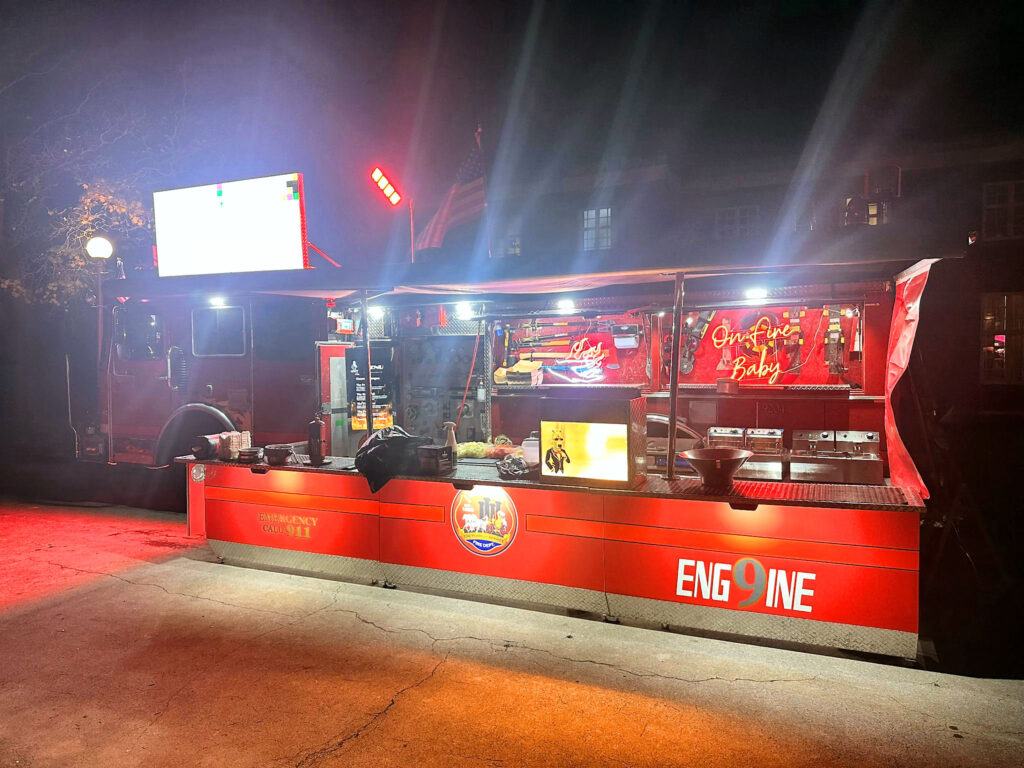
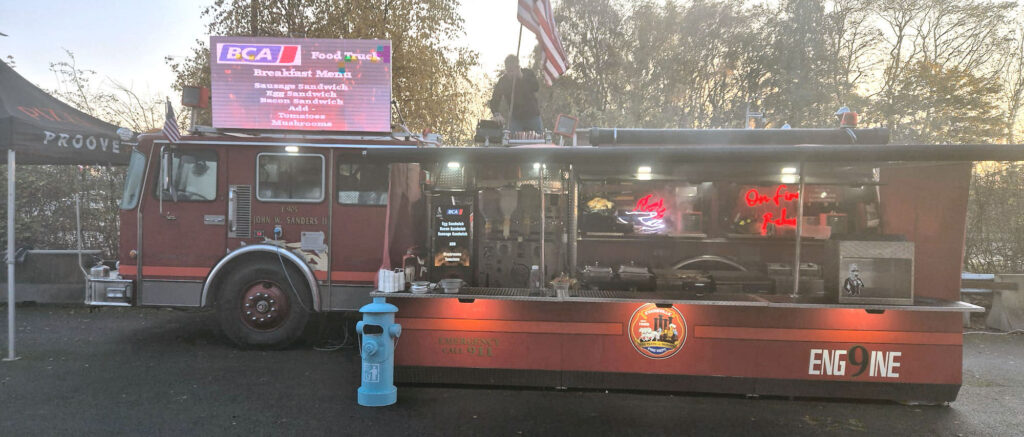
ENG9INE The Fire Truck Food Truck
Crafting Stories That Stick: The Role of Storytelling in Food Marketing
Storytelling in food marketing has transformed mere consumption into an emotive experience. It offers brands the chance to connect on a deeper level. Food isn’t just about flavor; it’s about the narratives that enrich it.
A compelling brand story can captivate and engage. It adds layers of meaning and relatability, drawing consumers into the brand’s unique world. This approach helps to differentiate a brand in a crowded market.
By weaving authenticity and creativity into narratives, brands can humanize their image. Stories of origin, passion, or sustainability resonate with audiences. Such elements build a story that consumers remember and value.
Ultimately, storytelling in food marketing turns eating into an adventure. It moves beyond the plate, inspiring loyalty and passion in customers. This engagement not only boosts brand awareness but also secures a lasting place in the consumer’s mind and heart.
Case Studies: Successful Food Brand Narratives
Consider Ben & Jerry’s, renowned for their storytelling prowess. They craft narratives around values like social justice and sustainability. This storytelling distinguishes them from competitors and connects with a conscientious audience.
Next, think of the success of Chipotle. Their “Cultivate a Better World” campaign highlights sourcing and sustainability. Through storytelling, they invite consumers into a world of ethical dining. This transparency fosters trust and loyalty among customers.
Taco Bell’s approach is another fine example. They leverage pop culture to narrate their brand’s identity. By creating stories filled with humor and relatable themes, they consistently engage younger audiences.
In the digital space, Sweetgreen excels by sharing stories of local farmers they partner with. These narratives emphasize community support. Their storytelling connects customers to the food’s journey, enhancing emotional investment.
Lastly, Lush Cosmetics, while not a food brand, offers valuable insights. They convey narratives of ethical sourcing and environmental consciousness. Applying similar principles, food brands can create emotionally rich and sustainable stories that capture consumer hearts and minds.
Leveraging Social Media to Serve Up Engagement
Social media is a veritable feast for brands. It offers an immense table for showcasing food and fostering engagement. By leveraging these platforms, brands can reach eager audiences worldwide.
Engaging with customers on social media can transform onlookers into brand advocates. Consider each post a dish of creativity and authenticity. This promotes word-of-mouth marketing, driving organic engagement.
Platforms like Instagram and TikTok are perfect for visual storytellers. These visually-driven platforms suit food brands, offering a dynamic space for connecting with diverse audiences. Each post, story, or reel is an opportunity to capture hearts and minds.
Moreover, these platforms offer invaluable feedback. By monitoring engagement, brands can fine-tune their approach. Social media enables brands to stay attuned to their audience’s evolving tastes and preferences.
Thus, social media acts as both a stage and a magnifying glass. It accentuates brand narratives and amplifies messages, turning engagement into a relatable and delightful experience for all involved.
Hashtags, Influencers, and User-Generated Content
The social media landscape thrives on hashtags, influencers, and user-generated content. Hashtags cultivate community discussions and expand reach. Well-crafted hashtags allow posts to appear in relevant searches, enhancing visibility.
Influencers wield influence by sharing food experiences with dedicated followers. Collaborating with them can extend a brand’s reach exponentially. They provide an authentic and trusted voice that resonates with target audiences.
User-generated content is the cherry on top. It infuses authenticity into a brand’s story. When consumers share their experiences, they create a ripple effect of trust and engagement. This content builds a network of shared experiences around the brand.
By harnessing the power of these tools, brands can construct robust digital communities. Each element contributes to a vibrant tapestry of interaction, driving engagement to new heights.
Visual Feasts: Creating Shareable Food Content
Visual appeal is essential in the culinary world. Food is not only tasted; it’s seen and savored visually. This is where shareable content becomes crucial.
Eye-catching photos and videos captivate and entice. When food looks appetizing on screen, it beckons viewers to share. This not only promotes engagement but also fosters community building.
To create such content, focus on lighting, angles, and colors. These elements enhance the vibrancy and allure of dishes. Make viewers feel they can almost taste it through their screens.
Ultimately, shareable content becomes a vehicle of brand storytelling. It turns a simple dish into an unforgettable visual experience, effectively broadening brand visibility and enhancing customer interaction.
Waffles On A Stick
Conclusion: Savoring the Flavor of Brand Engagement
As we’ve explored, food holds an unparalleled power to captivate and connect. It’s not just about tasting—a memorable brand experience lingers much longer. Whether through strategic marketing or food trucks, the goal is clear: leave a lasting impression.
Marketing managers and wedding planners alike can harness this potential. By weaving rich stories and engaging campaigns, they spark interest and create buzz. Each initiative should be as tantalizing as a favorite dish.
In this vibrant landscape, innovation is key. Embrace new strategies, listen to feedback, and adapt with enthusiasm. Let food be the bridge that links brands to hearts. Through creativity and commitment, brand engagement becomes more than a goal—it becomes a reality.
Wagyu, a breed of Japanese cattle, is renowned for its rich marbling and buttery flavor. It’s a luxury ingredient, often associated with high-end dining.
But does wagyu make a good burger?
This article will explore the qualities of wagyu beef that could elevate your burger experience. We’ll delve into the origins of wagyu, its unique characteristics, and how it compares to regular beef.
Join us on this flavorful journey, as we uncover the potential of the wagyu burger in the world of gourmet street food and beyond.
The Origin and Essence of Wagyu Beef
Wagyu beef originates from Japan, home to a rich tradition of meticulous cattle breeding. Bred for endurance, these cattle developed intramuscular fat deposits known as marbling.
This marbling is the hallmark of wagyu beef, giving it a tender, melt-in-the-mouth quality. It’s this unique characteristic that sets wagyu apart in the world of beef.
Unlike other breeds, wagyu cattle are pampered with special diets and environments. This attention to detail ensures the quality and taste are consistently luxurious.
Wagyu’s legacy has transcended Japan and captivated palates worldwide. Its exclusivity and distinctive taste continue to make it a sought-after choice for culinary enthusiasts.
Wagyu vs. Regular Beef: The Burger Showdown
When it comes to burgers, the choice of beef can make all the difference. Wagyu beef, with its renowned marbling, offers a flavor explosion not commonly found in standard beef.
Regular beef has its merits, often boasting a hearty, bold taste with a different kind of chew. However, wagyu elevates the burger experience to another level entirely.
The buttery texture of wagyu makes each bite a luxurious treat. In contrast, regular beef might lack the same tenderness and intricate flavors.
Crafting a wagyu burger is akin to serving a gourmet experience. Its combination of superior taste, texture, and richness ensures a memorable culinary delight.
The Flavor and Texture of a Wagyu Burger
A wagyu burger is a symphony of flavors. The richness of the beef results in a distinct, savory taste. This flavor is inherently sweet, harmonizing with a buttery finish.
Beyond taste, the texture of a wagyu burger commands attention. It’s incredibly tender, allowing your teeth to glide through with ease. Each bite feels almost like it’s melting in your mouth.
Such tenderness is due to the beef’s fine marbling. These streaks of fat not only add flavor but also provide that unique, luxurious texture. This combination enhances the burger-eating experience, making it truly unforgettable.
Health Benefits: More Than Just a Tasty Burger
Wagyu burgers aren’t just about indulgence. They also offer surprising health benefits. The fatty acids in wagyu beef, particularly omega-3 and omega-6, are known to support heart health.
Moreover, wagyu beef’s unique fat profile enhances metabolism. Its monounsaturated fats help in managing cholesterol levels. These qualities make it distinct from other beef options.
Interestingly, wagyu beef contains more unsaturated fats. This factor contributes to its luxurious texture and health appeal, making it a smart choice for discerning diners.
Gourmet Burgers: The Rise of Wagyu in Street Food
Wagyu burgers have taken street food by storm. Once reserved for high-end dining, these gourmet delights now grace food trucks and pop-ups. The unique appeal of wagyu attracts food lovers seeking something special.
Street vendors have embraced this luxury beef. They’ve brought wagyu’s rich flavor to the bustling world of street food. This fusion captures the essence of fine dining with the excitement of outdoor markets.
Innovative chefs are crafting tantalizing wagyu burger creations. They blend the sophistication of wagyu with fun, artisanal ingredients. This trend reflects a shift toward premium street eats, making wagyu burgers a sought-after indulgence on the go.
Cooking Techniques for the Perfect Beef Burger
Cooking wagyu beef requires finesse. Its rich marbling demands precise heat control. Aim to sear the burger at high heat for a perfect crust.
Avoid overcooking wagyu; it thrives best when medium-rare. This preserves its buttery texture and signature juiciness. Using a thermometer ensures precision without guessing.
Resting the burger after cooking is key. This step locks in flavors, enhancing the wagyu’s delectable taste. Mastery in technique elevates the wagyu burger experience, making it truly exceptional.
Toppings and Pairings: Elevating the Burger Experience
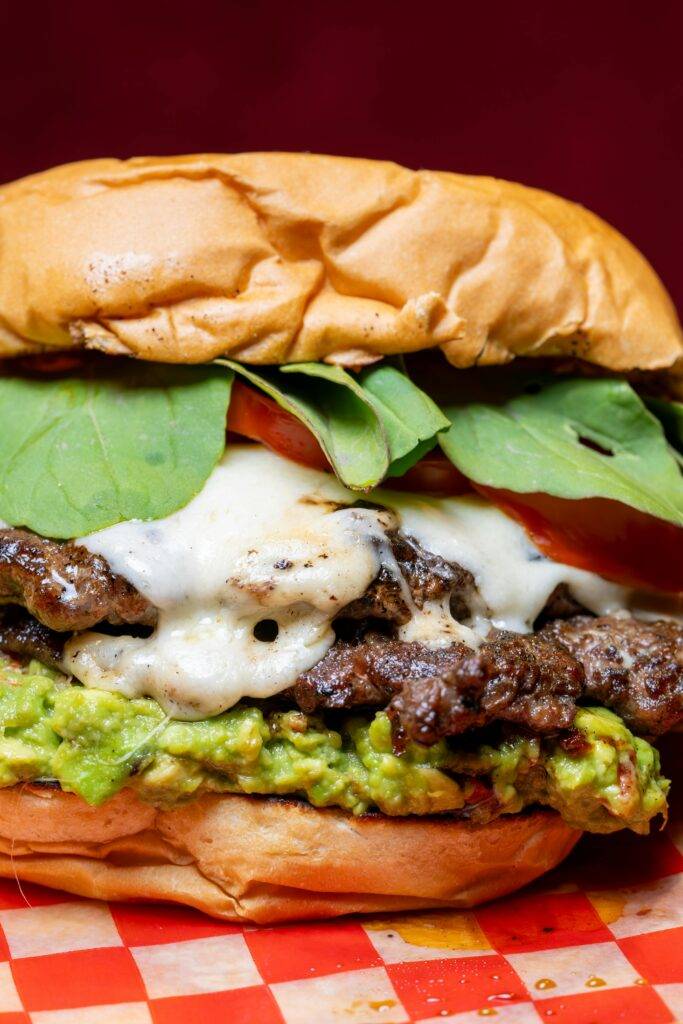
A wagyu burger is a culinary masterpiece. To complement its rich taste, toppings should enhance, not overpower. Consider caramelized onions or truffle aioli for a touch of elegance.
Cheeses like brie or aged cheddar add creamy layers, enriching the wagyu’s deep flavors. Fresh greens such as arugula add a peppery freshness, balancing the burger’s richness.
For condiments, think high-quality and unique. A fig jam or a gourmet mustard can provide sweet or tangy notes, taking the wagyu burger to gourmet heights.
The Luxury of Wagyu Burgers in Fine Dining
Wagyu burgers aren’t just for street food stalls. They’ve graced the menus of upscale restaurants, offering diners an indulgent experience.
In fine dining, presentation is key. Wagyu burgers are often artfully arranged, making the meal a visual delight as well.
These burgers symbolize status and sophistication. Their rich taste and exclusivity make them a centerpiece in high-end culinary circles.
The Price of Perfection: Is a Wagyu Burger Worth It?
Wagyu burgers come with a higher price tag. Is the indulgence worth the investment, though? For many, the answer is a resounding yes.
The extraordinary marbling and flavor of wagyu beef create a unique dining experience. Taste and texture justify the cost for those seeking quality.
Additionally, wagyu’s luxurious reputation adds intrinsic value. Enjoying a wagyu burger is more than a meal; it’s an expression of culinary opulence.
Coffee is more than just a beverage in Italy; it’s a culture, a ritual, a way of life. The rich history of coffee in Italy is as deep and complex as the espresso itself. From bustling cafes in Rome to charming espresso food trucks at weddings, coffee’s Italian journey is a captivating tale of tradition and innovation.
The Beginnings of Coffee in Italy
The story of coffee in Italy begins in the 16th century. Venice, a vibrant hub of trade, was among the first European cities to embrace coffee. As traders brought this exotic drink from the Ottoman Empire, Venetians were curious about the mysterious dark beverage. Initially, coffee was sold in pharmacies and considered a luxury item accessible only to the wealthy.
As coffee’s popularity grew, so did the number of coffeehouses. By the 17th century, these establishments became social centers, much like today’s cafes. Intellectuals, artists, and merchants gathered to discuss politics, art, and philosophy over a cup of this newfound elixir.
Espresso: The Heartbeat of Italian Coffee Culture
The invention of espresso in the late 19th century marked a significant evolution in Italy’s coffee history. Unlike its predecessors, espresso offered a quicker, more intense coffee experience. The first espresso machines were large, steam-driven contraptions, introducing a new way to enjoy coffee in a compact, concentrated form.
Espresso quickly became the heartbeat of Italian coffee culture. Its preparation and consumption are steeped in tradition, with every step a dance of precision and passion. Italians savor their espresso, standing at a bar, engaging in animated conversations, or taking a quiet moment for themselves.
The Espresso Ritual
Espresso in Italy is not merely a drink but a ritual. The process of ordering and consuming espresso is as significant as the coffee itself. Italians often start their day with a shot of espresso, and it’s common to see locals frequent their favorite cafes throughout the day for a quick caffeine fix.
The espresso ritual is simple yet profound. Italians appreciate the craftsmanship involved in making the perfect shot. The rich crema atop the espresso is a sign of its quality, and the first sip is always a moment of pure delight.
The Rise of Coffee Bars and Cafes
Coffee bars and cafes are integral to Italian culture, offering more than just a place to grab a coffee. They are community gathering spots where people connect, unwind, and engage in lively conversation. Italian cafes have maintained their charm and authenticity, resisting the homogenization seen in other parts of the world.
From the grandiose Caffè Florian in Venice, one of the oldest cafes in the world, to the quaint neighborhood espresso bar, each establishment carries its own unique character and legacy. These spaces have witnessed countless stories unfold, from business meetings to romantic encounters.
Coffee’s Modern Evolution: Espresso Food Trucks
As coffee culture continues to evolve, Italy has embraced modern innovations while honoring its rich traditions. One such innovation is the espresso food truck, a delightful fusion of old and new. These mobile cafes bring the beloved espresso experience to various settings, including weddings and events, offering a unique twist on traditional catering.
Imagine the surprise and delight of guests as they encounter an espresso food truck at a wedding, serving freshly brewed coffee with flair. This modern take on Italian coffee culture provides a memorable experience, blending the charm of a classic Italian espresso with the excitement of a food truck.
Coffee and Italian Cuisine: A Perfect Pairing
Coffee is deeply intertwined with Italian cuisine, offering delightful pairings with various dishes. A classic Italian breakfast often includes a cappuccino and a sweet pastry, like a cornetto. The creamy, frothy cappuccino complements the flaky, buttery pastry, creating a harmonious start to the day.
In the afternoon, Italians might enjoy an espresso with a piece of dark chocolate or a biscotti, enhancing the flavors of both the coffee and the treat. The bitterness of the espresso balances the sweetness of the dessert, creating a satisfying contrast.
Coffee-Inspired Desserts
Italy’s love affair with coffee extends to its desserts, with iconic treats like tiramisu taking center stage. This creamy, coffee-flavored dessert is a testament to Italy’s culinary creativity, combining layers of coffee-soaked ladyfingers with mascarpone cheese and cocoa powder. Tiramisu is a beloved indulgence that captures the essence of Italian coffee culture in every bite.
The Global Influence of Italian Coffee
Italian coffee culture has left an indelible mark on the world. The espresso, cappuccino, and macchiato are enjoyed globally, each carrying a piece of Italy’s rich history and tradition. Italian coffee brands, like Lavazza and Illy, are synonymous with quality and excellence, continuing to spread the love of Italian coffee far and wide.
As the world embraces specialty coffee and innovative brewing methods, Italy remains a beacon of tradition, offering timeless coffee experiences that capture the heart and soul of its culture.
Conclusion: A Timeless Love Affair
The history of coffee in Italy is a testament to the country’s passion for excellence and tradition. From the first Venetian coffeehouses to the modern espresso food trucks, Italy’s coffee journey is one of innovation, community, and love.
As you sip your next espresso, take a moment to appreciate the rich tapestry of history, culture, and craftsmanship that has brought this delightful beverage to your cup. Whether you’re standing at a bustling cafe in Rome or enjoying a coffee at a wedding with an espresso food truck, you’re part of a timeless love affair that continues to inspire and captivate.
In the end, coffee in Italy is more than just a drink; it’s a way of life, a celebration of the simple pleasures, and a reminder of the rich cultural heritage that unites us all.“`
Street food is a window into the soul of a culture. It’s a culinary adventure that takes you on a journey through the heart of a city’s traditions and tastes, including some of the most Bizarre Street Foods you’ll ever encounter.
But what if that journey led you to the unexpected? To the bizarre and the unusual?
Welcome to the world of bizarre street foods. A realm where the ordinary is replaced with the extraordinary, and the familiar gives way to the strange.
From fertilized duck eggs in the Philippines to fermented shark in Iceland, these foods challenge our perceptions of what’s edible. They push the boundaries of our taste buds, daring us to step out of our comfort zones.
But why do we find these weird street foods so captivating? Is it the thrill of the unknown? The allure of the exotic? Or perhaps it’s the sheer audacity of these culinary creations that draws us in.
In this article, we’ll explore 10 of the most bizarre street foods from around the world. We’ll delve into their origins, their preparation, and the cultural significance they hold.
So buckle up, food adventurers. It’s time to embark on a gastronomic journey like no other. One that will challenge, surprise, and perhaps even delight your palate in ways you never thought possible.
The Global Craze for Unusual Eats
In recent years, the world has seen a growing fascination with unusual eats. People everywhere are eager to explore the unknown flavors that unconventional foods offer. Social media has played a crucial role in spreading this trend, making bizarre foods a global sensation.
From bustling street markets to trendy food trucks, adventurous eaters are in search of unique experiences. This culinary daring is not just about sampling exotic dishes; it’s a quest for stories. Each bite tells a tale, revealing cultural traditions and customs that are foreign yet intriguing.
Television shows and food bloggers have fueled this craze, turning bizarre street foods into must-try delicacies. By portraying eating as an adventurous journey, they inspire travelers and locals alike to push culinary boundaries. As a result, the hunger for the strange and unfamiliar only continues to grow, creating a world where the unusual becomes celebrated and sought after.
Why Bizarre Foods Captivate Us
The allure of bizarre foods lies in their novelty and surprise factor. They challenge our taste buds and evoke strong reactions, whether delight or disbelief. These unusual eats offer a break from the mundane, sparking curiosity and conversation.
Cultural intrigue also plays a part in their appeal. Trying bizarre street foods introduces us to new cultures and traditions, fostering understanding and connection. It’s a form of culinary tourism, allowing us to travel without leaving home.
Lastly, the thrill of the unknown makes these foods irresistible. There’s an element of risk and excitement in daring to taste something unexpected. For food adventurers, this challenge becomes a badge of honor, a testament to their fearless palate and open-mindedness.
1. Balut – Philippines’ Fertilized Delight
Balut is a staple in the Philippines, known for its distinctiveness and cultural significance. It consists of a developing duck embryo, boiled and eaten from the shell. The idea might seem off-putting, but it’s celebrated for its rich flavors and textures.
Vendors sell balut at night, often accompanied by stories of its aphrodisiac properties. The experience involves cracking the shell and sipping the savory broth first. Then, diners eat the yolk and embryo, embracing the thrill of eating the unfamiliar.
For many Filipinos, balut is comfort food with a history. It is a beloved snack at gatherings and street corners alike. Tourists and locals share in the audacious tradition, making balut a popular dare for those seeking culinary adventure.
Hákarl is not for the faint-hearted. This Icelandic delicacy involves Greenland shark, fermented and cured for months. Its preparation transforms toxic flesh into an edible, if not extreme, treat.
The aroma of hákarl is infamous, often described as ammonia-rich and pungent. It’s common to find it during Icelandic midwinter festivals. Locals savor it alongside shots of strong local schnapps called Brennivín to cut through the intensity.
Sampling hákarl is a rite of passage for culinary thrill-seekers visiting Iceland. Those who brave its scent often describe the taste as pleasantly fishy with a tangy aftertaste. For many, trying hákarl embodies a cultural experience that connects them to Icelandic tradition and resilience.
Casu Marzu takes cheese to a daring level. This Sardinian delicacy is made by introducing cheese fly larvae into pecorino. The larvae accelerate fermentation, breaking down fats into a soft, creamy texture.
Though illegal in the European Union, this cheese draws adventurous souls eager for its authentic taste. When eaten, the live larvae may wriggle, a sensation that adds to the unique experience. Locals believe consuming Casu Marzu offers a deep connection to Sardinian heritage.
The taste profile of Casu Marzu is strong and pungent, with an intense flavor that lingers. It’s often paired with a hearty slice of rustic bread, which balances its creamy character. For those brave enough to try, Casu Marzu offers an unforgettable taste adventure rooted in tradition and boldness.
In the bustling streets of Cambodia, fried tarantulas are a sought-after snack. Once feared, these eight-legged creatures have become a culinary staple. They are usually sold by the handful in local markets.
Preparation is simple yet transformative. The tarantulas are seasoned with salt and sugar, then deep-fried to a crispy finish. This cooking method creates a savory snack, crunchy on the outside with a soft interior.
The taste surprises most first-timers with its mix of earthy flavors and a hint of saltiness. The legs offer a crispy bite, while the body provides a more complex, rich texture. Fried tarantulas reflect Cambodia’s resilience, turning necessity into culinary ingenuity, a testament to the nation’s adaptive spirit.
Surströmming is a food that divides opinions, notorious for its strong, pungent odor. This Swedish specialty is made from Baltic herring, fermented for months until it reaches its distinctive aroma. It’s often referred to as one of the smelliest foods in the world.
Opening a can of surströmming is an experience in itself. Many suggest doing it outdoors, owing to the powerful scent that can linger. Despite its smell, it’s a favorite among locals, typically enjoyed with thin flatbread, boiled potatoes, and a bit of dill.
The bold taste is briny and slightly sour, creating a complex flavor profile that daring foodies might appreciate. It’s a reminder of traditional preservation methods and a cultural icon in Sweden. Though it may challenge your senses, for many, it’s an unforgettable taste of Swedish heritage.
Century eggs, also known as hundred-year eggs, are a Chinese delicacy known for their striking appearance and unique flavor. These eggs are preserved in a mixture of clay, ash, and quicklime for several weeks to months. This process transforms the white into a dark, gelatinous substance and the yolk into a creamy, greenish center.
To the uninitiated, their appearance can be startling. The translucent amber “white” contrasts sharply with the dark yolk, offering a visual feast. But it’s the taste that truly sets century eggs apart. They’re intensely savory, with notes of sulfur and ammonia, and a smooth, creamy texture that lingers on the palate.
Often served as a savory starter or alongside pickled ginger, they are a testament to China’s culinary history of preservation. Century eggs invite diners to experience flavors well outside typical Western norms, providing a bold foray into the depths of umami-rich tastes. This dish challenges perceptions and offers a taste adventure, embodying centuries of traditional Chinese cuisine in each bite.
In the remote regions of Alaska, one dish boldly stands out in the culinary landscape: stinkheads. This unique delicacy consists of salmon heads that undergo a natural fermentation process. They’re traditionally buried in the ground, allowing them to decompose and develop a strong, distinct aroma over weeks.
Stinkheads are a significant part of the cultural heritage of Alaska Native communities. They symbolize the resourcefulness required in a challenging environment, showcasing a method to preserve food in its simplest form. The pungent aroma, often likened to strong cheese or fish, might be daunting to some. However, to those familiar, it’s a cherished smell of tradition and sustenance.
For those bold enough to try stinkheads, the flavor experience can be quite rewarding. The texture is creamy, with a tang that surprises the palate. Eating stinkheads invites culinary thrill-seekers to delve into the deep connections between food and cultural resilience. It’s a taste of history that echoes the spirit of survival and adaptation.
Nestled within Mexico’s vibrant culinary tapestry lies escamoles, known endearingly as “insect caviar.” These are ant larvae harvested from the roots of agave or tequila plants. Far from a modern innovation, escamoles have been a delicacy dating back to the time of the Aztecs. Their historical importance and unique taste keep them a sought-after treat even today.
Escamoles are prized for their subtle, nutty flavor and creamy texture. Often sautéed with butter, garlic, or herbs, they offer a distinct culinary experience. In upscale Mexican restaurants, you might find them served with guacamole or in tortillas. The rich taste of escamoles balances the adventurous undertaking they represent, appealing to those who crave new gastronomic experiences.
Considered a luxury ingredient, escamoles command a high price, akin to beluga caviar. Trying them can be a rite of passage for food enthusiasts eager to venture beyond the usual. By indulging, you partake in a tradition that showcases Mexico’s innovative use of its natural bounty. It’s an adventure for your taste buds and your culinary curiosity alike.
Fugu, the infamous Japanese pufferfish, is both a culinary thrill and a testament to meticulous skill. This dish is renowned for the lethal toxins it harbors, toxins that can be deadly if improperly prepared. Only specially licensed chefs, who undergo years of rigorous training, are allowed to prepare fugu. Their expertise ensures that each serving is as safe as it is tantalizing.
The allure of fugu lies in its delicate, almost ethereal taste, a reward for those who dare to take the plunge. Whether served sashimi-style, with thin, translucent slices arranged beautifully on a plate, or as part of a hotpot, fugu offers a unique experience. The risk involved adds an element of excitement to the meal, drawing thrill-seekers from all corners of the globe.
In Japan, fugu is also a cultural symbol, representing the harmony between daring and discipline. The willingness to try fugu showcases an adventurous spirit and respect for Japanese culinary heritage. It embodies a perfect blend of tradition and boldness, making it a must-try for intrepid gourmets everywhere.
10. Sannakji – South Korea’s Wriggling Octopus
Sannakji is a South Korean dish that tests both bravery and dexterity. It features live octopus, chopped and seasoned, with its tentacles still squirming on the plate. This movement is not just a testament to freshness but also a challenge to diners.
Eaters must be cautious with sannakji due to the suctions on the tentacles, which cling to any surface they touch. This makes it an exhilarating experience, as even a small piece can get spirited away while on the chopsticks. It’s crucial to chew thoroughly, savoring each bite’s faint oceanic taste mixed with sesame oil.
This dish isn’t just about consuming seafood; it’s an embodiment of spontaneity and vitality. For many, experiencing sannakji is a rite of passage, a way to engage directly with the raw vibrancy of the sea. Adventurers often leave with tales of their daring exploits, making sannakji a cultural bridge and a personal conquest.
Food trucks have become culinary pioneers, introducing bizarre street foods to curious palates everywhere. Their mobility allows them to bring exotic flavors directly to adventurous eaters. From bustling urban centers to serene parks, food trucks are spreading the thrill of the strange.
Equipped with compact yet efficient kitchens, these trucks can prepare unconventional dishes on the go. This setup enables them to serve up delicacies like fried tarantulas or balut with speed and flair. The captivating allure of tasting these oddities draws long lines and eager tasters.
Moreover, food trucks are platforms for cultural exchange, offering an international mosaic of tastes in one place. By presenting bizarre street foods with stories of origin and preparation, they transform meals into experiences. This approach doesn’t just satisfy hunger—it connects people through shared culinary adventures.
Safety First: Enjoying Bizarre Foods Responsibly
Enjoying bizarre street foods comes with its own set of challenges. Always prioritize safety when diving into culinary adventures. Ensure the food is from reputable vendors who adhere to proper hygiene standards to prevent health issues.
Understand the ingredients thoroughly before indulging. This is crucial, especially for those with allergies or dietary restrictions. Transparency and proper labeling from vendors can make all the difference in a safe dining experience.
Education is key when trying unfamiliar foods. Research how dishes are traditionally prepared and served. This knowledge not only enhances the experience but also safeguards against any potential mishaps. By being informed and cautious, you can fully embrace the excitement of tasting the world’s weird street foods without worry.
Conclusion: The Thrill of Culinary Adventure
Exploring bizarre street foods offers more than just a meal—it’s a journey. It connects us with different cultures in unexpected, memorable ways. Each bite tells a story of tradition, innovation, and local passion.