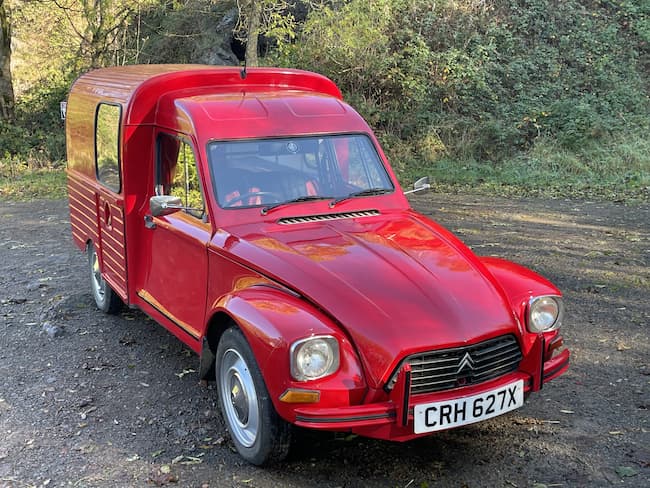
We are in the process of building a new coffee van, this time based on a vintage Citroen Acadiane van. We wanted to give this more of a 1970’s vibe so commissioned the rebuild of a vintage Cimbali lever pull espresso machine to fit in with the ‘vibe’.
Claude Our Soon To Be Little Citroen Coffee Van
Coffee Grinders
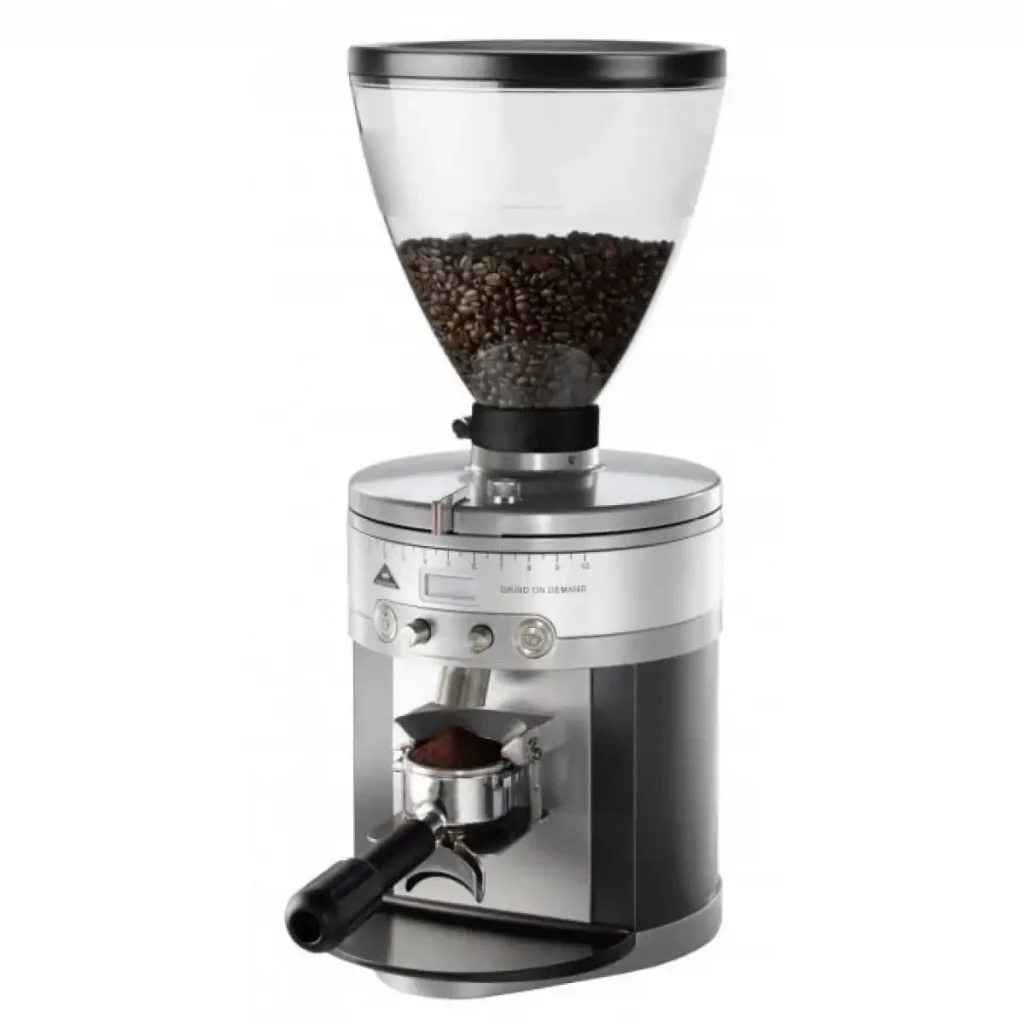
We also needed a new coffee grinder and wanted a more utilitarian looking grinder to go with this. The modern stuff is all flashing lights and in built computers, we wanted something that looked, well, a bit more solid.
Some one recommended the German brand Mahlkönig. After a brief look online, it looked solid enough to fit the bill, and came with a fabulous recommendation. So we bought one.
Jeez, when I actually went to collect it I was stunned. This wasn’t just solid. This was the King Tiger Tank of grinders. I think it is actually heavier than the single group coffee machine we are having refurbed.
The company was founded in Hamburg in 1924. Initially it concentrated on the production of electric motors. But in the 60’s made the decision to concentrate on the production of coffee grinders.
The company rapidly established an enviable reputation for quality coffee grinders, leading up to its present day position as one of the market leaders.
Anyway stay tuned for images of our little red coffee van as it is due to be launched in the next few weeks.
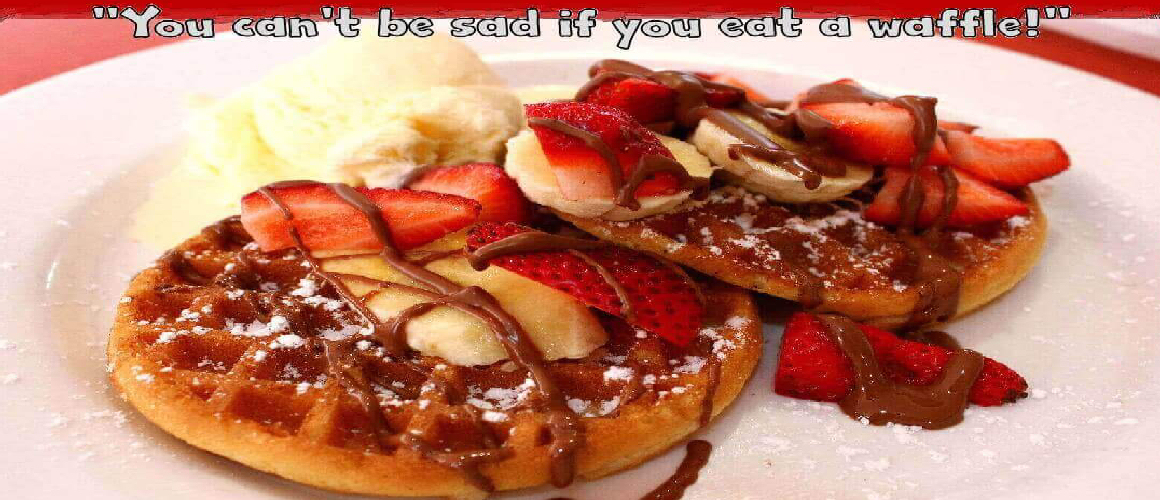
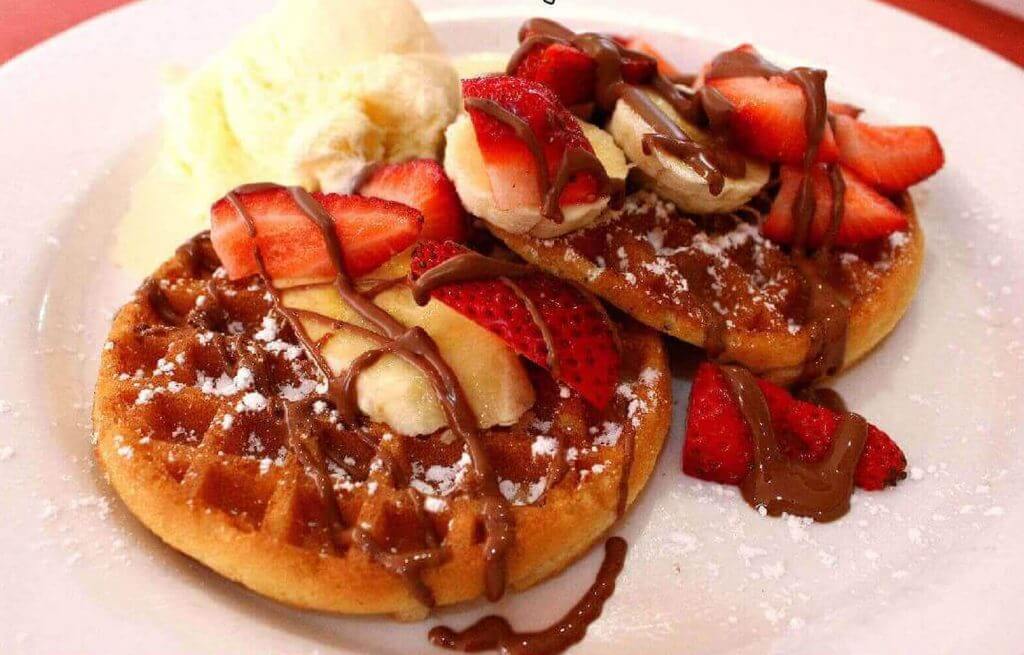
Waffles are one of our most popular dessert offerings. We started with Belgian waffles, then added waffles on a stick. Perfect as a walk around whilst you eat kinda food. Currently we are starting a roadshow for a major financial company, with visits to some 20 universities around the UK offering waffles on a stick.
But it got me thinking, what do waffles around the world look like. So here is a quick look at some of the weird and wonderful options from around the world.
Belgian Waffles
Belgian Waffles Carts For Hire
Probably the best known of the waffles. Introduced at the 1958 Expo in Brussels. They were introduced into America in 1962 by Belgian Walter Cleyman and served with strawberries and cream. Still a popular option today.
They were based on a simplified recipe for the Brussels waffle, legend has it that the name in the States was changed to the Bel-Gem due to the average American being unable to identify Brussels as being in Belgium.
Bergische
A specialty of the German region of Bergische, these are heart shaped and served with cherries, cream and rice pudding as part of the traditional Sunday’s dinner in the region. Less dense and crispier than their Belgian counterparts.
Pandan Waffles
Or ‘Green Vietnamese Waffles’, a popular street food in Vietnam. The Pandan flavouring and coconut milk in the batter give it the distinctive green appearance. Unlike most waffles elsewhere these are typically eaten plain.
Gofri Waffles
Next up is Italy’s entry. Or to be more precise the Piedmont region. Containing no egg or milk they are lighter and crispier in texture than other variants.
Moffles
This one is something different, by the Japanese (Who else). a Mochi rice cake cooked in a waffle iron. A crispy exterior with a glutinous mochi insides. Served both as a dessert with condiments, or as a savoury offering with ham, cheese or cod roe.
Stroopwafels
From one of our favourite countries (The Netherlands) comes the stroopwafel. Originally from the Dutch city of Gouda. Made from flour, butter, brown sugar, yeast, milk, and eggs. Balls of batter are placed on an iron, whilst it is still warm, it is cut in half, and the filling spread over the surfaces gluing them together.
Taiyaki
A Japanese entry dating from 1909, this is shaped like a Sea bream fish, and commonly sold as a street food. The most common filling is red bean paste that is made from sweetened adzuki beans. Though Custard, chocolate and cheese are also offered.
Kanom Rung Peung
Hailing from Thailand, the name means literally ‘Bee Hive Snack’, and they are made with coconut milk, palm sugar, coconut, and sweet corn. Being sweet they can usually be eaten without additional toppings.
Liege Waffles
Another entry from that little European country of Belgium. See, they are famous for more than just sprouts. Liege waffles are made using a yeast dough and pearl sugar, giving them mush more of a chewy consistency than most of their competitors.
Num Poum
Made with coconut and rice water, this hails from Cambodia. Another popular Khmer street food.
Pizzelle
Italy’s take on our favourite food. The Pizzelle, made from flour, eggs, sugar and butter and typically flavoured with anise, lemon or vanilla. These are flat, crispy, and commonly sprinkled with sugar.
Hong Kong Bubble Waffle
A rather unique shaped snack, called “gai daan jai” in Cantonese these taste a little like a cross between a cookie and a sponge cake. Crispy on the outside and fluffy inside the little bubbles.
They are all waffly good, which one is your favourite?
10 March is national popcorn lovers day in the UK. The legendary snack which is a mainstay of cinema’s the world over.
The earliest evidence of fossils in Peru suggests that humans have been popping corn since 4700B.C. Which must make it one of the oldest continuous snack foods in existence.
In the modern era they were popped on stoves, until the creation of Charles Cretors steam powered popcorn cart in 1880, which commercialised the process.
Cinema Popcorn
During the great depression, popcorn was so cheap that it became a massive seller. Indeed many farmers switched production to corn to take advantage of this. When WW2 rationing cut down on candy production, popcorn sales tripled. It’s initial introduction into movie theatres wasn’t welcomed by the owners, who felt it distracted from the films.
This changed however when they realised the profitability of it. The 1938 installation in to Dickinson’s theaters by the owner Glen W. Dickinson Sr. of popcorn machines led to the realisation that he could earn more from selling corn than tickets for the film. He eventually began buying up popcorn farms, and reduced the price of his tickets to get more people in to eat his corn.
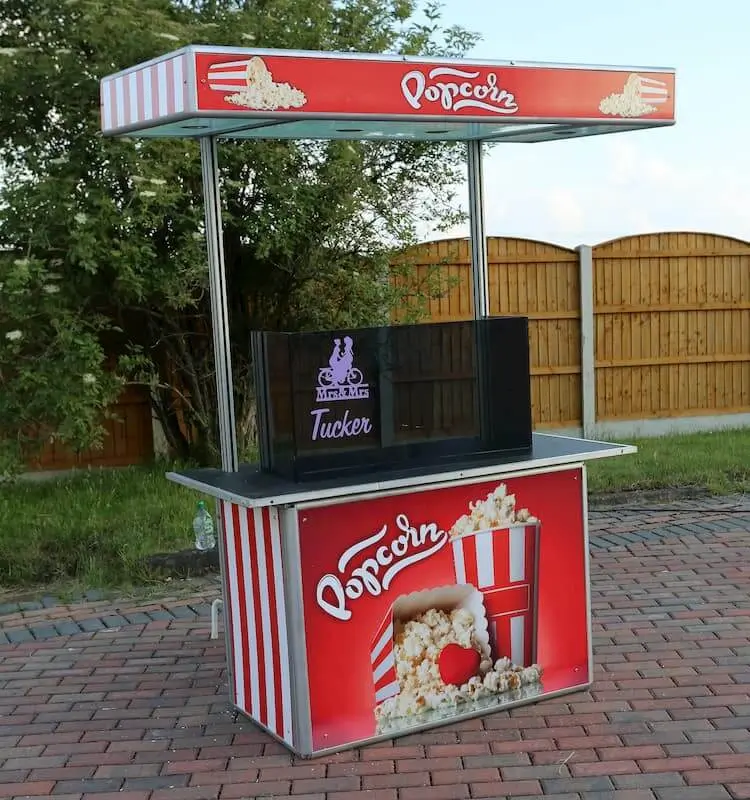
Popcorn Cart
Whether you like it sweet or salty, we can provide a fabulous popcorn service for any event. Happy popcorn lovers day.
In 1926 Hendrik op het Veld formed Veld Koning Machinefabriek (Veld Koning Machine Factory). This was abbreviated to Vekoma, and another legendary Dutch ride builder was created.
Only inline with many amusement ride manufacturers, it actually wasn’t. Originally it built farm equipment, and equipment for the mining industry.
After the 1956 closure of the Dutch mining industry, the company switched to producing pipework for the petrochemical industry.
1970’s And The Move Into The Entertainment Industry
The US based roller coaster manufacturer Arrow Dynamics contracted Vekoma to build the steel work for their European rides in the 70’s. As demand in Europe increased Vekoma eventually licensed the technology from Arrow and began building rides in their own right with 3 coasters being produced in 1979.
Named the Super Wirbel the first coaster was an inverted double corkscrew installed in Holiday Park, Hassloch Germany. Two of the first riders were the German Formula 1 drivers Rolf Stommelen and Harald Ertl , eventually they produced 7 examples. They went on the produce the Invertigo, Boomerang and Whirlwind coasters.
Alliance With Chance Morgan
In 2006 they formed an alliance with the USA based manufacturer Chance Morgan, with Chance building the steelwork for the coasters. They produced four in total during this period.
Acquisition Of Bussink Wheels Of Excellence
Vekoma acquired the Wheels of Excellence range from Ronald Bussink, whereby Bussink would continue to build the 100 metre wheels and Vekoma would build wheels in the smaller 40-80 metre market. They terminated the agreement with Chance in 2012, but licensed the R60 metre wheel to a new offshoot of chance called Chance American Wheels.
Madhouse And SkyShuttle
Vekoma also manufacture a couple of other attractions. The most curious in the aptly named mad house. Designed to give the riders the illusion of weightlessness and spinning upside down. In actuality, it is an updated version of the ‘Rib Tickler’, a ride that graced British fairgrounds in the 80’s, though never presented as well as the Vekoma version.
The other is the SkyShuttle. Raising riders upto 50 metres into the sky with a gently rotating gondola, the ride allows spectacular views over the full site.
Acquisition By Sensei Technologies
In 2018 Vekoma was acquired by Sansei Technologies a Japanese based company who specialises in both Amusement rides and elevators. The agreement was that Vekoma would continue to be run as a separate entity, so hopefully the brand will continue.