When you hear the roar of a fire truck racing down the street, you might not think about the engine that’s driving it forward. But let me take you under the hood of our fire truck to explore the heart that powers it— the Detroit 2 stroke engine. This marvel of engineering not only propels our firefighting heroes to the scene of action but also stands as a testament to the power and innovation behind 2 stroke engines.
Detroit 6V92TA
What is a 2 Stroke Engine?
In the world of engines, the 2 stroke engine is a bit of a rebel. Unlike the more common 4 stroke engines that you might find in your family car, a 2 stroke engine completes its power cycle in just two movements of the piston. This means it can deliver power in a more compact and efficient way, which makes it ideal for applications where size and power are crucial.
How Does It Work?
The beauty of a 2 stroke engine lies in its simplicity. It combines the intake and compression strokes into one action, and the power and exhaust strokes into another. This not only makes the engine lighter but also gives it a higher power-to-weight ratio than its 4 stroke counterparts. Imagine having a compact powerhouse that can squeeze every ounce of energy out of fuel — that’s the magic of a 2 stroke engine.
The Advantages of 2 Stroke Engines
Why do some vehicles, like our trusty fire truck, opt for a 2 stroke engine? Here are a few reasons:
Power Density: 2 stroke engines are known for their ability to produce a significant amount of power relative to their size.
Simplicity: With fewer moving parts, 2 stroke engines are often easier to maintain and repair.
Lightweight: The compact design makes them lighter, which is crucial for vehicles that need to be fast and agile, like fire trucks.
The Legendary 6V92TA
Now, let’s dive into the specifics of the engine that powers our fire truck — the Detroit 6V92TA. Known for its robustness and reliability, this engine is a favorite among heavy-duty vehicles.
A Brief History
The 6V92TA is part of Detroit Diesel’s 92 Series, which has been around since the 1970s. These engines have earned a reputation for being workhorses, used in everything from buses to construction equipment. The “TA” in its name stands for Turbocharged Aftercooled, which means it’s designed to deliver even more power and efficiency.
Why the 6V92TA is Perfect for Fire Trucks
Fire trucks need engines that can respond quickly and deliver power on demand. The 6V92TA shines in this regard due to its:
Turbocharged Power: The turbocharger boosts the engine’s power output, which means the fire truck can accelerate quickly even when fully loaded with equipment and water.
Reliability: When you’re rushing to save lives, you need an engine that won’t let you down. The 6V92TA’s proven track record of durability makes it a perfect fit.
Efficiency: Despite its power, this engine is designed to be fuel-efficient, which is crucial for long operations without frequent refueling.
The Role of the Detroit 2 Stroke Engine in Firefighting
A fire truck isn’t just another vehicle on the road. It’s a lifeline, a critical tool that must perform without fail in the most demanding situations. Here’s how the Detroit 2 stroke engine makes a difference:
Speed and Agility
In emergencies, every second counts. The fire truck’s Detroit 2 stroke engine ensures that it can navigate through traffic and reach the scene as swiftly as possible. The engine’s high power-to-weight ratio allows for rapid acceleration, which is crucial when weaving through city streets.
Reliability Under Pressure
Firefighting is a tough job, and it demands tools that are up to the task. The Detroit 2 stroke engine is built to withstand harsh conditions, ensuring that the fire truck remains operational even during prolonged missions.
Sustainability and Future-Proofing
While 2 stroke engines have faced scrutiny over emissions, advancements in technology have made them more environmentally friendly. Detroit Diesel has continuously improved their designs to meet modern standards, ensuring that our fire truck engine is not only powerful but also responsible.
Maintaining the Heartbeat of Our Fire Truck
To keep the Detroit 2 stroke engine in peak condition, regular maintenance is a must. Here are some key aspects of maintaining these engines:
Routine Inspections
Regular checks help spot potential issues before they become major problems. This includes inspecting the turbocharger, aftercooler, and ensuring that all components are clean and functioning properly.
Oil and Fuel Care
Using the right type of oil and fuel is crucial for the engine’s longevity. Clean fuel and regular oil changes keep the engine running smoothly, preventing wear and tear.
Professional Servicing
While minor maintenance can be done in-house, professional servicing is essential to address any complex issues. Skilled technicians can provide insights and solutions that ensure the engine remains reliable.
The Detroit 2 Stroke Engine: A Legacy of Power
The Detroit 2 stroke engine, and specifically the 6V92TA, holds a special place in the world of fire trucks. Its combination of power, efficiency, and reliability makes it an invaluable asset to our firefighting team. With its unique advantages, this engine ensures that when the call comes, our fire truck is ready to respond with unwavering strength and speed.
In conclusion, the Detroit 2 stroke engine is more than just an engine; it’s the heartbeat of our fire truck, a symbol of innovation and resilience in the face of danger. Whether you’re a gearhead or just someone who appreciates the finer workings of a machine, there’s no denying the impact this engine has on our community and our safety.
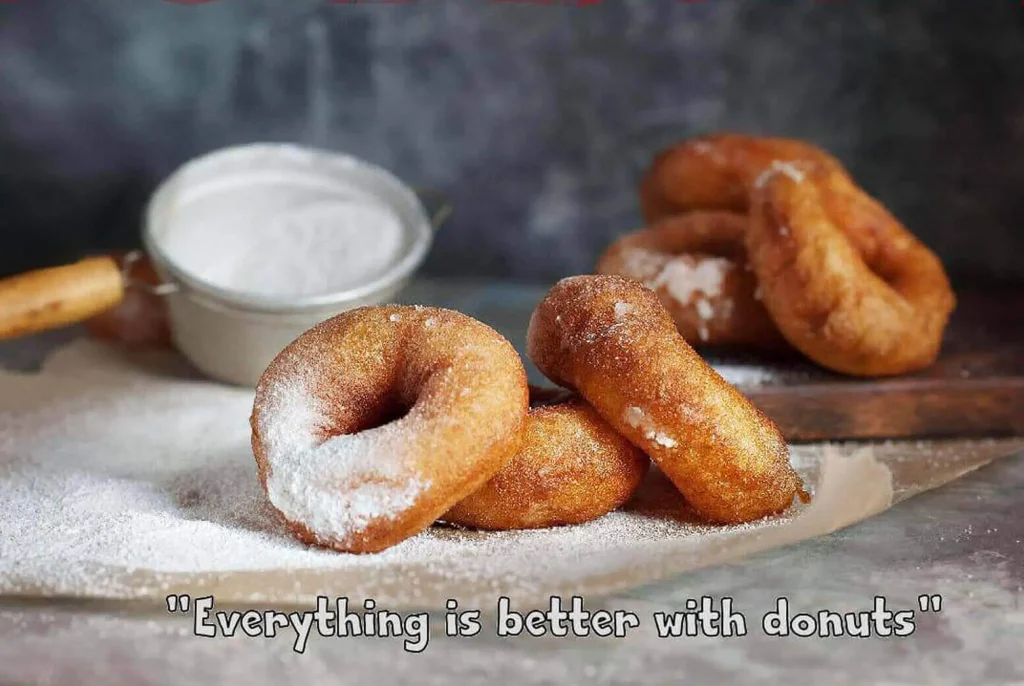
When it comes to wedding planning, every detail matters. From the dress to the decor, each choice reflects your personality and sets the tone for your special day. One trend that’s capturing the hearts (and taste buds) of couples everywhere is the inclusion of fresh doughnuts on the wedding menu. Adding hot, fresh doughnuts to your wedding dessert table can offer a delightful twist on traditional treats that your guests will love.
Who can resist the sweet aroma of freshly made doughnuts? Doughnuts aren’t just for breakfast or coffee breaks anymore. They’re becoming a staple at weddings, offering an array of flavors, toppings, and presentations that can be customized to fit any theme or style.
Why Choose Doughnuts for Your Wedding?
Doughnuts are versatile, visually appealing, and universally loved. They can be tailored to suit a variety of tastes and dietary needs, making them a perfect choice for wedding dessert tables. Here are a few reasons why they make an excellent addition to your wedding menu:
Variety: From classic glazed to gourmet flavors like lavender honey or maple bacon, the options are endless.
Customization: You can match doughnuts to your wedding colors or theme with different icings and toppings.
Interactive Experience: Set up a DIY doughnut bar where guests can choose their own toppings, creating a fun and interactive experience.
Doughnut Cart Hire
Doughnuts vs. Traditional Wedding Desserts
While traditional wedding cakes hold a special place in many hearts, doughnuts offer a unique alternative that can stand on their own or complement other desserts. They are often more cost-effective than elaborate cakes and allow for easier portion control, ensuring everyone gets a taste.
Designing Your Wedding Doughnut Menu
Creating a doughnut menu for your wedding involves more than just picking your favorite flavors. Here’s how to craft a memorable doughnut experience for your guests:
Selecting the Right Flavors
Consider offering a mix of classic and unique flavors to cater to a range of preferences. Popular choices include:
Classic Glazed: A timeless favorite that never goes out of style.
Chocolate with Sprinkles: Adds a touch of whimsy and color.
Seasonal Specials: Incorporate flavors like pumpkin spice in the fall or lemon raspberry in the spring.
Presentation Matters
The way you display your doughnuts can enhance the overall aesthetic of your wedding. Consider these creative ideas:
Doughnut Walls: A trendy option that doubles as decor.
Tiered Stands: Create a centerpiece with tiered stands filled with assorted doughnuts.
Individual Boxes: Perfect for guests to take home as a sweet reminder of your special day.
Pairing with Other Desserts
Doughnuts can shine on their own or be part of a larger dessert spread. Consider pairing them with:
Coffee and Tea Station: Complements the doughnuts and offers guests a cozy treat.
Miniature Milk Bottles: A nostalgic pairing that guests will adore.
Ice Cream Sundae Bar: For a truly indulgent experience, let guests top doughnuts with ice cream and sundae toppings.
Making Doughnuts a Part of Your Wedding Theme
Your wedding theme plays a crucial role in determining the overall vibe of your celebration. Here’s how to integrate doughnuts seamlessly into your theme:
Rustic Charm
For rustic or outdoor weddings, consider doughnuts with earthy flavors like cinnamon sugar or apple cider. Use wooden crates or barrels for display, and incorporate natural elements like greenery or burlap.
Elegant Affairs
If your wedding is more formal, opt for sophisticated flavors like champagne-glazed or white chocolate raspberry. Display them on elegant silver platters or glass stands to add a touch of class.
Whimsical and Fun
For a playful theme, choose brightly colored icings and fun toppings like fruity pebbles or marshmallows. Create a vibrant display with colorful signage and props.
Tips for a Seamless Doughnut Experience
To ensure your doughnut station is a hit, follow these practical tips:
Work with a Reputable Vendor
Choose a local bakery or doughnut shop known for quality and freshness. Schedule a tasting to sample different flavors and confirm their ability to deliver on your wedding day.
Consider Dietary Restrictions
Offer a selection of gluten-free, vegan, or nut-free doughnuts to accommodate guests with dietary restrictions. This consideration shows thoughtfulness and ensures everyone can enjoy the treats.
Timing is Key
Coordinate with your vendor to ensure doughnuts are made fresh and delivered at the perfect time. This will ensure they taste as good as they look.
Conclusion: A Sweet Addition to Your Big Day
Incorporating hot, fresh doughnuts into your wedding menu is more than a trend—it’s a sweet way to personalize your celebration and delight your guests. Whether you create a doughnut wall, offer a build-your-own-doughnut bar, or simply display them alongside other desserts, doughnuts are sure to leave a lasting impression.
By considering flavors, presentation, and how they fit into your theme, you can craft a doughnut experience that complements your vision and adds a unique touch to your wedding day. So go ahead, elevate your wedding with doughnuts, and let your love story be as sweet as your dessert table.
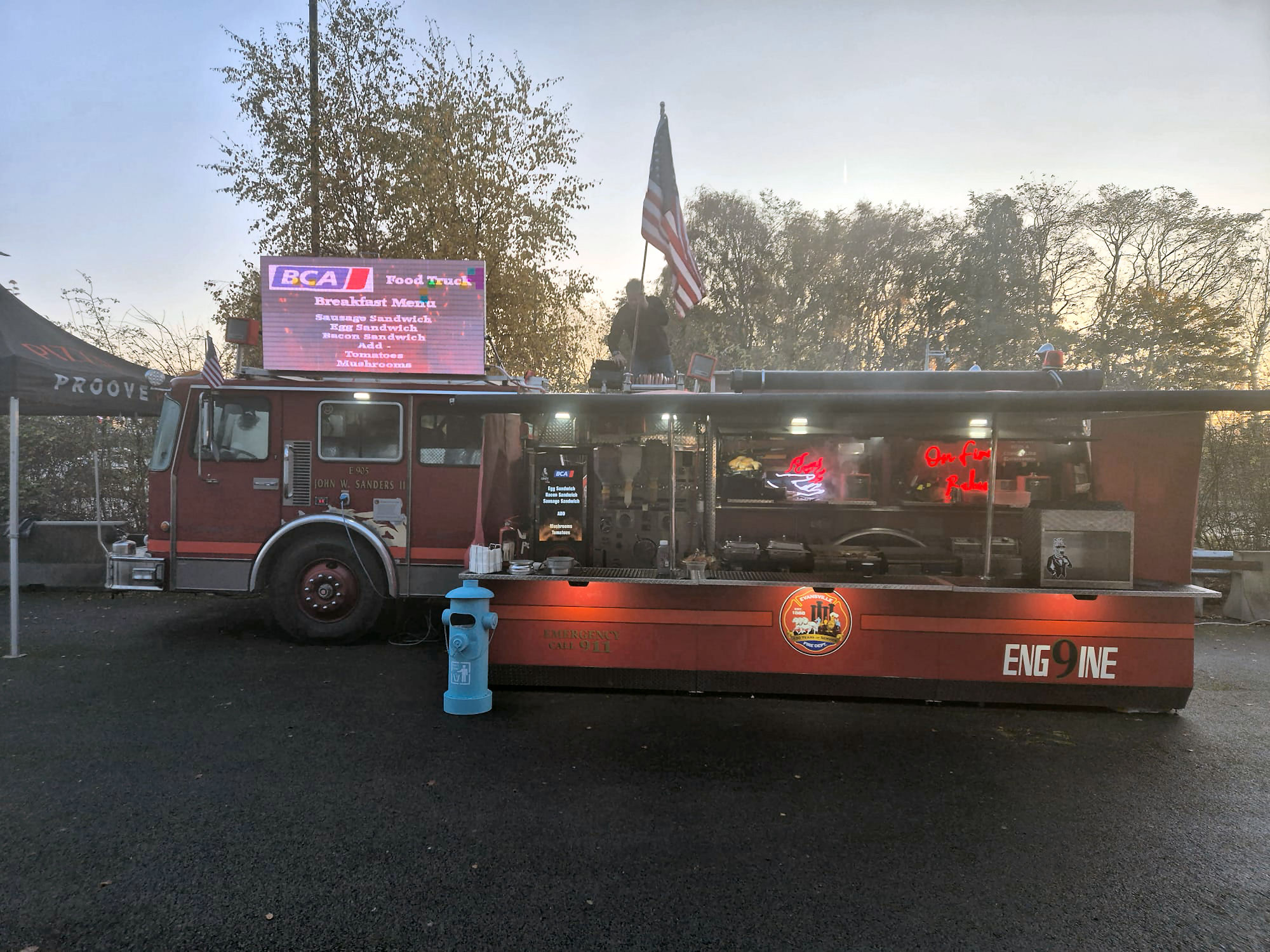
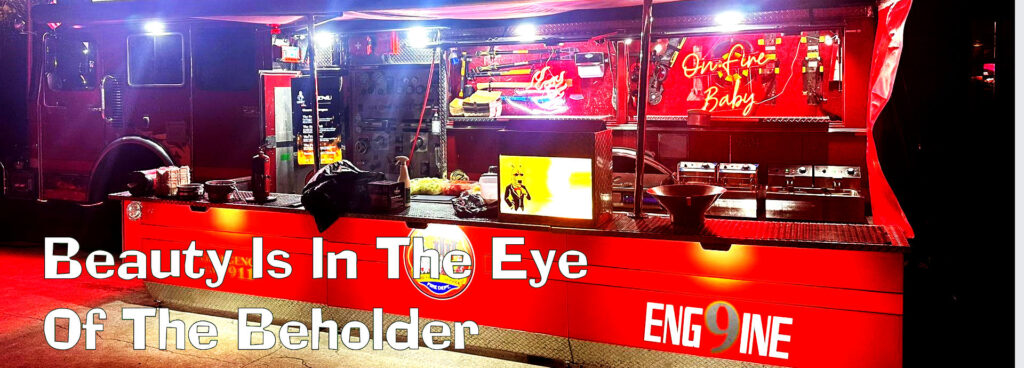
Imagine biting into a juicy, gourmet burger, crafted to perfection with fresh, locally-sourced ingredients. Now, picture enjoying that burger served straight from a vintage US fire truck, complete with gleaming red paint and polished chrome. Sounds intriguing, doesn’t it? This is not just a fantasy—it’s a delicious reality that’s capturing the hearts and taste buds of food lovers everywhere.
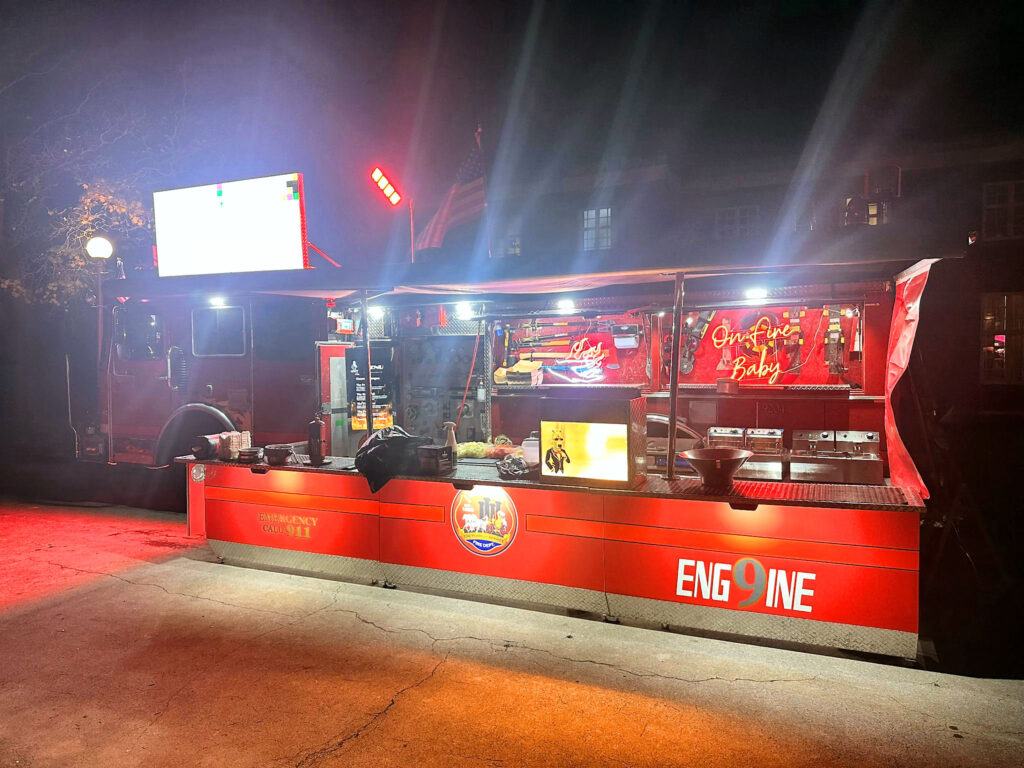
ENG9INE The Fire Truck Food Truck
The Birth of a Unique Culinary Adventure
The concept of serving gourmet burgers from a fire truck is more than just a quirky idea; it’s a revolution in the food truck industry. Food trucks have been part of the culinary landscape for years, but this idea takes it to an entirely new level. The visual appeal of a fire truck combined with the irresistible lure of gourmet burgers creates an unforgettable experience for customers.
The Fire Truck’s Journey
The journey of transforming a vintage fire truck into a mobile burger haven is as unique as the concept itself. It begins with sourcing a retired fire truck, often a daunting task given their size and specific build. Once secured, the truck undergoes a transformation, maintaining its distinctive charm while being outfitted with state-of-the-art kitchen equipment needed to craft gourmet burgers on the go.
Why a Fire Truck?
Using a fire truck taps into a sense of nostalgia and excitement. Fire trucks are symbols of heroism and community, and repurposing them for a culinary adventure resonates with people. It’s a conversation starter, a photo opportunity, and a culinary delight all rolled into one. This unique approach helps the burger truck stand out in a saturated market, drawing in curious customers eager to experience something new.
Crafting the Perfect Gourmet Burger
The heart of this venture is, of course, the gourmet burgers. Each burger is crafted with care, using premium ingredients that elevate the humble burger to a gastronomic delight.
Fresh, Local Ingredients
What sets these burgers apart is the commitment to quality. Ingredients are sourced locally, ensuring freshness and supporting local farmers. The beef is grass-fed, the buns are artisanal, and the toppings are seasonal, offering a taste experience that’s both fresh and flavorful.
Innovative Burger Creations
The menu offers a range of innovative burger creations that cater to diverse palates. From classic cheeseburgers with a gourmet twist to adventurous options like blue cheese and caramelized onion-topped patties, there’s something for everyone. Vegetarian and vegan options are also available, ensuring inclusivity and broad appeal.
The Experience Beyond the Burger
While the burgers are the main attraction, the experience of getting a meal from a fire truck is just as important. This venture understands the power of creating an experience that goes beyond just the food.
Community Engagement
The fire truck burger experience is about more than just serving food; it’s about engaging with the community. By parking at local events, fairs, and festivals, the fire truck becomes a part of the community fabric. It provides a gathering place where people can enjoy great food and create lasting memories.
Social Media Buzz
In today’s digital age, a unique concept like this naturally generates buzz on social media. Customers are eager to share photos of their gourmet burger from a fire truck, tagging their friends and spreading the word. This organic marketing is invaluable, creating a ripple effect that reaches potential customers far and wide.
Challenges and Triumphs
As with any innovative venture, there are challenges to overcome. From logistical issues like finding suitable parking spots for a large vehicle to ensuring compliance with health and safety regulations, running a food truck is no small feat.
Overcoming Challenges
Yet, the rewards far outweigh the challenges. The sight of satisfied customers enjoying their meal, the positive feedback, and the growing popularity are testaments to the success of this unique concept. Every hurdle crossed is a step towards establishing a beloved brand in the local culinary scene.
Inspiration for Marketing Managers
For marketing managers seeking inspiration, this venture offers valuable lessons. It’s a reminder of the power of creativity and originality in capturing attention and engaging audiences. In a world saturated with options, standing out requires thinking outside the box, just like serving gourmet burgers from a fire truck.
Key Takeaways
Unique Presentation: Stand out with a unique presentation that captures attention and invites curiosity.
Quality Products: Ensure the product is of high quality, as this will bring customers back for more.
Community Engagement: Engage with the community to build relationships and brand loyalty.
Social Media: Leverage social media to spread the word and create organic buzz.
In conclusion, the gourmet burgers served from a US fire truck are more than just a meal—they’re an experience. They offer a delightful blend of nostalgia, innovation, and culinary excellence that’s sure to leave a lasting impression. Whether you’re a food lover looking for your next delicious meal or a marketing manager seeking inspiration, this unique venture is a reminder that with creativity and passion, the possibilities are endless.
Coffee is more than just a morning pick-me-up. It’s a world of flavors, aromas, and experiences waiting to be discovered.
From the robust espresso to the creamy latte, the types of coffee are as diverse as the regions they come from. Each type offers a unique taste profile, shaped by factors like bean origin, roast level, and brewing method.
But how well do you know your coffee? Can you tell an Americano from a Macchiato or a Mocha from a Flat White?
This guide will take you on a journey through the different types of coffees. We’ll explore their unique characteristics, how they’re made, and what sets them apart.
Whether you’re a coffee connoisseur, a casual drinker, or a marketing manager looking to engage your audience, this guide is your ticket to the fascinating world of coffee. So, grab your favorite cup and let’s dive in.
The Bean Basics: Arabica vs. Robusta
Understanding coffee begins with its beans. Arabica and Robusta are the two most popular types. Their differences influence taste, aroma, and quality.
Arabica is favored for its smooth, sweet flavor and higher acidity. It’s often grown at high altitudes. Robusta, on the other hand, boasts a stronger, more bitter taste with earthy tones. It grows at lower altitudes and contains more caffeine.
Arabica typically appears in specialty coffees, while Robusta often finds its way into espresso blends. Both types, however, offer unique qualities that cater to diverse preferences.
The Roast Spectrum: Light to Dark
Roasting coffee beans transforms their raw, green state into the aromatic, flavorful morsels we know. The roasting process greatly impacts taste and aroma, shaping the coffee types we enjoy.
Light roasts retain the bean’s original flavors, often with fruity or floral notes. They are generally higher in acidity. Dark roasts, however, offer a robust, smoky flavor with reduced acidity. They often carry chocolate or nutty undertones. Medium roasts balance these characteristics, providing a smooth, rounded flavor profile appealing to many palates. The choice of roast can personalize your coffee experience, enriching every sip.
Espresso: The Intense Foundation
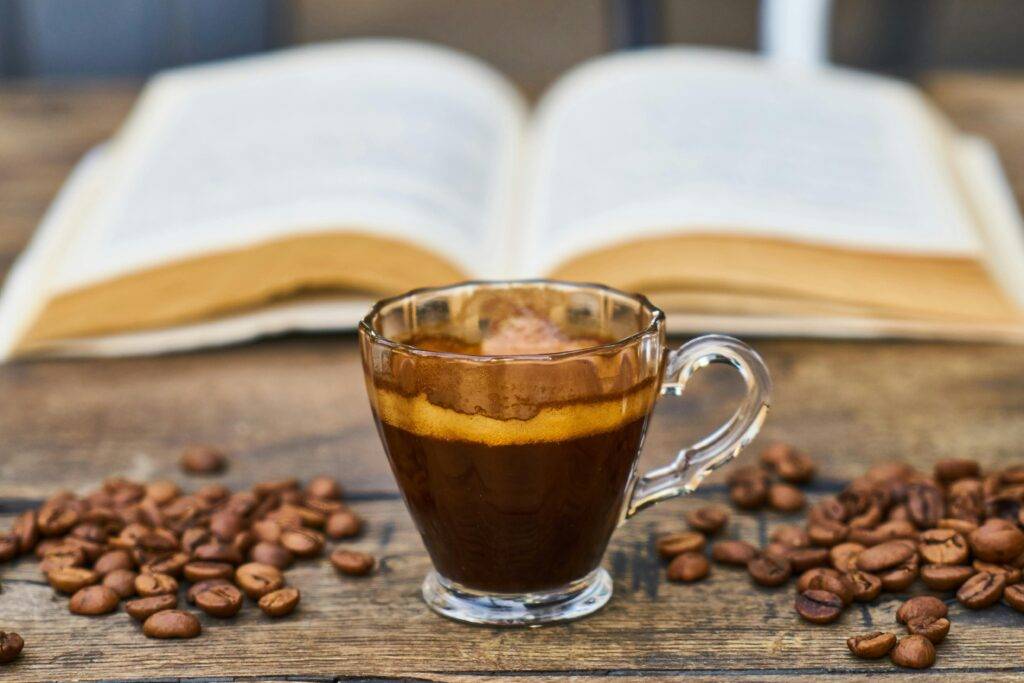
Espresso is the heart of countless coffee types. It is brewed by forcing hot water through finely-ground coffee beans.
This method creates a bold, concentrated shot topped with a creamy crema. Espresso packs a powerful punch of flavor, despite its small size. Its intense taste forms the base for many beloved beverages. Mastering the art of espresso is a key skill for any coffee enthusiast. Each shot offers a rich experience of coffee’s potential.
Americano: Espresso’s Milder Cousin
The Americano offers a gentler coffee experience. Created by adding water to espresso, it results in a coffee with a milder profile.
This technique gives it the similar richness of espresso, but with less intensity. It’s perfect for those who appreciate robust flavor but prefer a lighter touch. The Americano remains a versatile option, adaptable to personal taste preferences. Enjoy it hot or cold, with milk or without; it caters to many preferences.
Latte: Smooth and Creamy Delight
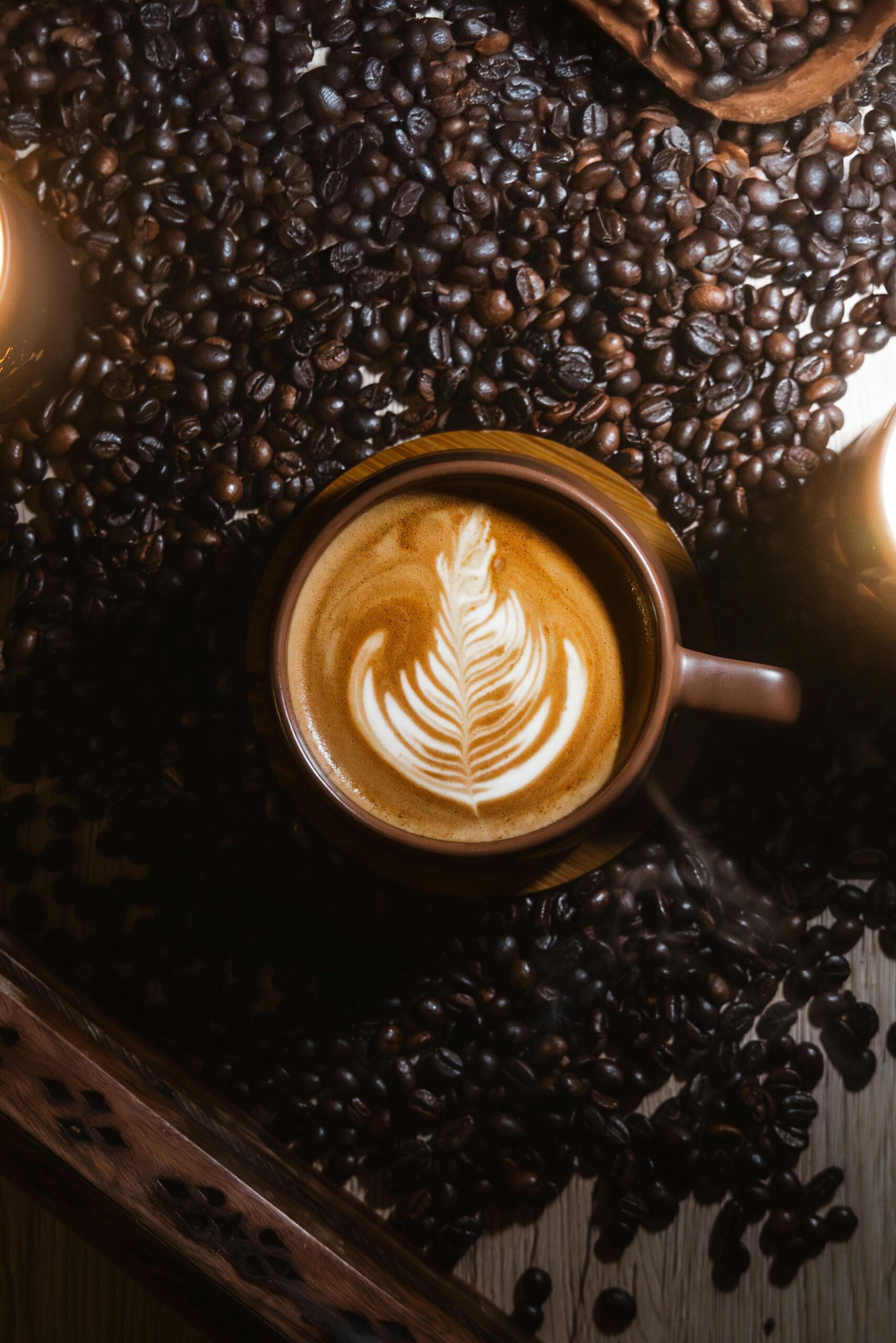
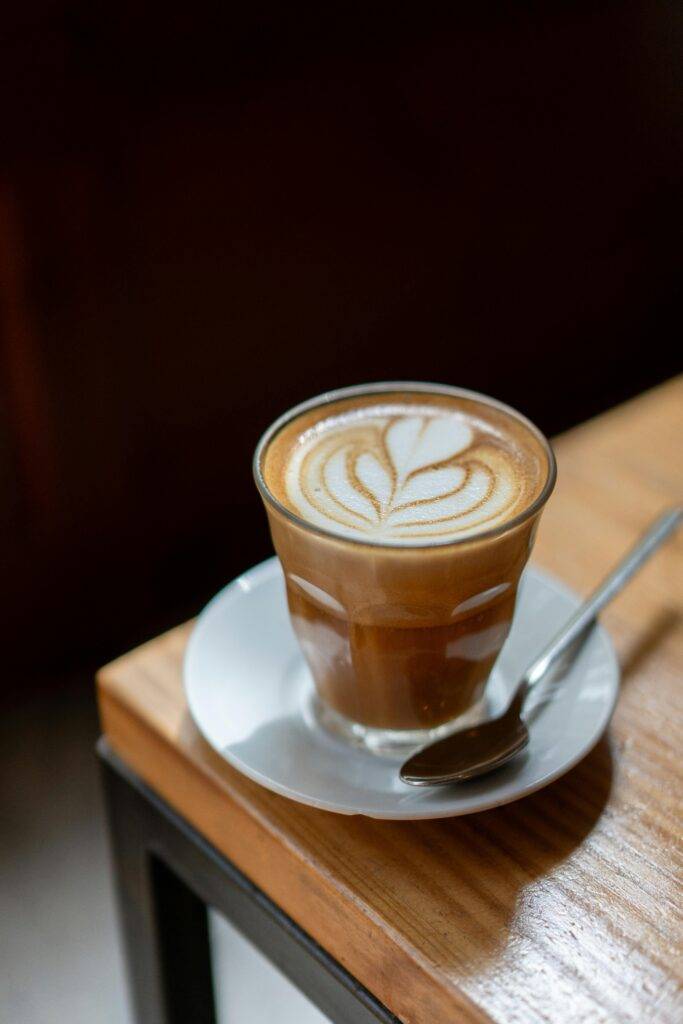
The latte is the epitome of creamy coffee elegance. This coffee type blends espresso with steamed milk, resulting in a rich, velvety texture.
Each sip offers a harmonious balance of strong coffee and a soothing milky embrace. Lattes can be customized with various flavors, like vanilla or caramel, enhancing their allure. With its smooth texture and mild flavor, the latte is a universal crowd-pleaser, cherished across coffee cultures worldwide.
Cappuccino: The Frothy Favorite
Cappuccino is a classic coffee type cherished for its frothy crown. It features a perfect trifecta of espresso, steamed milk, and milk foam.
The distinct layers offer a delightful taste experience, with the froth adding a creamy texture. Sipped leisurely, it reveals a robust coffee base with a touch of sweetness. The cappuccino’s balance of boldness and frothiness makes it a timeless favorite, enjoyed by coffee lovers across the globe.
Macchiato: A Mark of Milk
The macchiato is a bold coffee with a subtle touch. It’s crafted by adding a small dollop of milk foam to a shot of espresso.
This simple addition tempers the espresso’s intensity, creating a harmonious taste. With its delicate balance, the macchiato appeals to those who enjoy a strong coffee flavor with a hint of creaminess. Its elegance in simplicity makes it a standout choice for discerning coffee enthusiasts seeking an exquisite cup.
Mocha: Chocolate Meets Coffee
The mocha is a delightful fusion of coffee and chocolate. This indulgent drink combines rich espresso with velvety steamed milk and a luscious layer of chocolate syrup.
This concoction creates a sweet, balanced taste profile, appealing to those with a sweet tooth. The mocha is often topped with whipped cream, adding an extra layer of decadence. It’s perfect for those days when you crave something comforting and indulgent. The mocha stands out as an irresistible treat that brings together the best of both worlds.
Flat White: The Velvety Variant
The flat white is known for its smooth texture and rich flavor. This drink uses a double shot of espresso and finely textured milk.
What sets it apart is the microfoam, a dense layer that sits above the espresso, blending seamlessly. Originating from Australia or New Zealand, this coffee type is loved for its silky finish. It’s perfect for those who appreciate the pure coffee taste without overpowering flavors, offering a creamy yet bold experience.
Cold Brew: The Cool Contender
Cold brew has taken the coffee scene by storm. It offers a smooth and less acidic experience compared to traditional brews.
Prepared by steeping coarsely ground beans in cold water for hours, its mellow taste is perfect for hot days. This method brings out unique flavors without bitterness. It’s a refreshing alternative and can be customized with milk, cream, or sweeteners. Cold brew appeals to those seeking a less traditional coffee experience while embracing new flavors.
Nitro Coffee: The Creamy Innovation
Nitro coffee adds a creamy twist to cold brew. It infuses the drink with nitrogen gas, giving it a frothy head.
This innovation enhances texture, making it rich and smooth. Its visual appeal is striking, as it cascades elegantly into the glass. Nitro coffee’s unique mouthfeel is akin to a velvety beer. It’s served cold from a tap and often appreciated for its natural sweetness, without the need for added sugar or cream.
Turkish Coffee: A Time-Honored Tradition
Turkish coffee embodies rich tradition and cultural heritage. Made with finely ground coffee beans, it’s brewed in a special pot called a cezve.
This unfiltered coffee boasts a bold, robust flavor. The preparation is an art, as it involves careful boiling to create a thick foam. Typically served in small cups, Turkish coffee is often sweetened and sometimes spiced with cardamom. The ritual of sipping this coffee invites conversation, making it a cherished social experience.
Irish Coffee: A Spirited Blend
Irish coffee offers a delightful fusion of whiskey and caffeine. It originated in Ireland and warms you with its rich flavors.
This cocktail is crafted from freshly brewed coffee, Irish whiskey, sugar, and topped with cream. It’s a perfect drink for chilly evenings or a cozy indulgence. The cream floats on top, creating a layered experience that blends sweetness, warmth, and a kick of spirit. Each sip brings a comforting blend of flavors and smooth texture.
Specialty and Seasonal Brews: From Pumpkin Spice to Peppermint Mocha
When fall arrives, many savor the beloved pumpkin spice latte. It’s a cozy drink full of spices and autumn essence.
Winter brings peppermint mochas, a festive twist with minty freshness. Their sweetness paired with chocolate makes them a holiday favorite.
Specialty brews often feature inventive combinations, drawing curious coffee lovers. Each sip promises a unique burst of seasonal joy. These drinks capture the spirit of the seasons, offering a taste of celebrations and fond memories.
The Rise of Alternative Milks in Coffee Culture
Dairy-free alternatives have taken the coffee world by storm. Almond, oat, and soy milk are now popular choices.
These milks cater to dietary needs and lifestyle preferences. They add unique flavors and textures to any cup. Baristas skillfully incorporate them, enhancing the coffee experience.
The trend also reflects a shift toward sustainability. Plant-based options often have a lower environmental impact. As awareness grows, so does the demand for these versatile alternatives.
Pairing Food with Different Types of Coffees
Coffee pairs beautifully with a variety of foods. A light roast complements citrusy desserts, enhancing both flavors.
For richer dishes, like chocolate cake, opt for a bold espresso. It balances sweetness with its strong, robust notes.
Don’t overlook savory pairings. A cappuccino matches well with a buttery croissant. Each bite and sip is a harmonious blend of flavors. Tailoring your coffee choice to your meal can elevate the entire dining experience.
Conclusion: Your Perfect Cup
The world of coffee is vast and varied. Finding your favorite type may require some exploration. Experiment with different coffee types, roasting levels, and brewing methods.
Consider pairing coffees with foods to discover new taste experiences. Don’t be afraid to try something new.
Ultimately, the perfect cup is one that brings you joy. Enjoy the delightful journey of coffee discovery each sip brings. Your taste buds will thank you!
The quest for the best Halal burgers is a journey of flavor, culture, and culinary innovation. It’s a search that takes us from bustling city streets to vibrant food festivals, from gourmet food trucks to Instagram-worthy eateries.
Halal burgers are more than just a meal. They are a testament to the diversity and creativity of Halal cuisine, a cuisine that respects religious dietary laws while pushing the boundaries of taste and presentation.
In this article, we’ll take you on a gastronomic tour of the top 10 Halal burgers you must try. We’ll explore the unique characteristics that make each burger a standout, from the quality of the Halal meat to the artisanal buns and flavorful toppings.
We’ll also delve into the world of food trucks, a modern dining solution that’s taking the food industry by storm. These mobile eateries are not only serving up some of the best Halal burgers but also adding a unique twist to events, including weddings.
So whether you’re a food enthusiast, a marketing manager seeking fresh content ideas, or a wedding planner looking for a unique catering option, this article is for you.
Get ready to embark on a delicious adventure as we uncover the best Halal burgers that are making waves in the food scene.
What Makes a Burger Halal?
Halal means “permissible” in Arabic, referring to foods allowed under Islamic law. For a burger to be Halal, it must meet specific standards starting with the meat. Halal meat comes from animals slaughtered according to Islamic rituals, ensuring it’s done humanely and with a prayer.
It’s more than just the meat. The entire preparation process must comply with Halal guidelines. This includes utensils, surfaces, and cooking techniques, which must avoid contact with non-Halal substances like pork or alcohol.
Sourcing is crucial. Ingredients, such as sauces and toppings, must be Halal-certified. This ensures that everything from the bun to the cheese is permissible for consumption by Muslims.
Even the bun matters. Some breads may contain non-Halal preservatives or flavorings. Therefore, attention to detail in every ingredient is essential to maintaining Halal integrity.
Thus, a Halal burger is a careful fusion of tradition and modernity. It’s crafted with respect for both culinary artistry and religious practice, providing a satisfying and meaningful dining experience.
Halal burger food trucks are sizzling onto the culinary scene. They combine a love for Halal cuisine with the dynamic street food culture. This trend is gaining traction in cities worldwide, appealing to diverse palates seeking delicious, permissible options on the go.
Food trucks offer a unique opportunity for culinary entrepreneurs. They require lower startup costs compared to traditional restaurants. This makes them a perfect vehicle—quite literally—for Halal cuisine to reach new audiences, showcasing gourmet offerings and innovative flavors.
The mobile nature of food trucks allows them to access bustling urban areas and community events. As street food continues to thrive, Halal burger trucks can serve a diverse audience, from Muslim consumers to adventurous foodies looking for something new.
Social media plays a vital role in promoting these roaming eateries. Instagram and Facebook amplify their reach, showcasing appetizing visuals and sharing their locations with eager customers. Viral marketing through photos of tantalizing burgers keeps the buzz alive.
Inclusion is also key. Halal burger trucks cater not only to religious dietary needs but also to various preferences. This inclusivity broadens their appeal and helps in building a loyal customer base that appreciates the blend of tradition with street food excitement.
Fire Truck Food Truck hire
Criteria for Our Top 10 Best Halal Burgers
Choosing the best Halal burgers demands a discerning eye and a taste for quality. Our list is a curated selection, focusing on a blend of taste, creativity, and authenticity. Each burger is evaluated for its unique contribution to the Halal culinary scene.
Essential criteria for our top picks include several facets. We look beyond just flavor. The burgers must stand out in:
Halal Certification: Verified sources of Halal meat.
Flavor Innovation: Distinctive tastes that intrigue and delight.
Quality Ingredients: Freshness and high-grade components.
Presentation and service are also crucial. An unforgettable burger experience engages all senses. It’s not just about the first bite but the overall journey from ordering to devouring.
Lastly, we consider customer feedback and reputation. Word-of-mouth and reviews provide valuable insights. A burger that resonates with its audience is more likely to create a lasting impact and win a devoted following.
1. The Classic Halal Cheeseburger
Nothing beats the timeless allure of a classic cheeseburger. When it’s Halal, it becomes both nostalgic and respectful of dietary needs. Our top pick in this category perfectly balances simplicity and flavor.
This burger’s charm lies in its expert construction. Juicy Halal beef is nestled between soft, fresh buns. A layer of melted cheese oozes over the patty, creating an irresistible harmony of taste and texture.
The secret, of course, is in the details. Fresh lettuce and ripe tomatoes add crispness. Meanwhile, a Halal-certified sauce ties everything together, elevating this staple into a must-try experience.
2. The Gourmet Halal Experience
Prepare to indulge in the height of flavor sophistication. The Gourmet Halal Experience takes burgers to new culinary heights. This burger isn’t just a meal; it’s a statement.
Crafted with premium ingredients, every bite is a harmony of taste. Think tender Halal beef accented with truffle oil and luxurious toppings. Each element is chosen to delight your palate.
Enhancing this grandeur, the bun is artisanal, lightly toasted, with a tantalizing aroma. This exquisite creation is perfect for those who appreciate the finer things in life, all while honoring Halal standards.
3. The Spicy Halal Delight
If you crave a little kick, this burger’s for you. The Spicy Halal Delight brings heat that’s both daring and delightful. It’s a fiery feast for spice lovers.
Each bite balances zesty flavors and tender Halal meat. The secret lies in the spicy aioli and jalapeño slices. They add just the right amount of heat.
Wrapped in a soft, toasted bun, this burger offers more than spice. It’s an adventure waiting to be savored. Perfect for those who enjoy bold, invigorating flavors while staying true to their dietary preferences.
4. The Vegan Halal Burger
Craving something plant-based and halal? Enter the Vegan Halal Burger, a marvel for both vegans and flavor enthusiasts. It’s an eco-friendly delight packed with goodness.
This burger boasts a hearty, plant-based patty. Infused with spices and grilled to perfection, it truly shines. Crisp lettuce and ripe tomatoes add a fresh crunch.
What sets this burger apart is the luscious vegan sauce. It ties together the robust flavors flawlessly. Experience plant-powered perfection in every bite, catering to diverse tastes and dietary needs.
5. The Signature Street Food Halal Burger
Street food has an allure all its own. The Signature Street Food Halal Burger embodies this charm with its bold flavors and irresistible aroma. It’s street food at its finest.
This burger features a robust patty, seasoned and seared to perfection. Juicy and tender, it offers a satisfying bite. Accompanied by tangy pickles and crispy onions, it elevates street cuisine.
Complementing these elements is a zesty sauce, offering a flavor punch. Its vibrant taste is a nod to street food traditions. This burger is perfect for anyone seeking a memorable food truck experience.
6. The Fusion Halal Burger
The Fusion Halal Burger is where global flavors meet harmony. It’s a cultural symphony in each bite, offering something new and exciting. The world is your plate.
A mix of spices brings diverse cuisines to life in this burger. Think of tangy sauces from the East merged with rich, creamy cheese from the West. It’s an exciting exploration of taste.
Fresh ingredients are key to this burger’s charm. Every bite is a balanced combination of savory and sweet, spicy and mild. For those with an adventurous palate, the Fusion Halal Burger is a must-try.
7. The Premium Halal Wagyu Burger
Indulge in the luxurious experience of the Premium Halal Wagyu Burger. Crafted with the finest Wagyu beef, this burger is a testament to quality and taste. Every bite melts in your mouth.
The richness of Wagyu sets this burger apart, offering a buttery texture and incredible flavor. Topped with artisanal ingredients, it’s a gourmet delight that feels exclusive. Gourmet is an understatement.
Attention to detail is paramount in this burger’s creation. From carefully sourced Halal Wagyu to the expertly toasted bun, it’s perfection from bottom to top. A choice for the discerning burger enthusiast.
8. The Halal Breakfast Burger
Start your day with the Halal Breakfast Burger, a true morning marvel. It combines the best breakfast elements in a single, satisfying bite. This burger is both delicious and energizing.
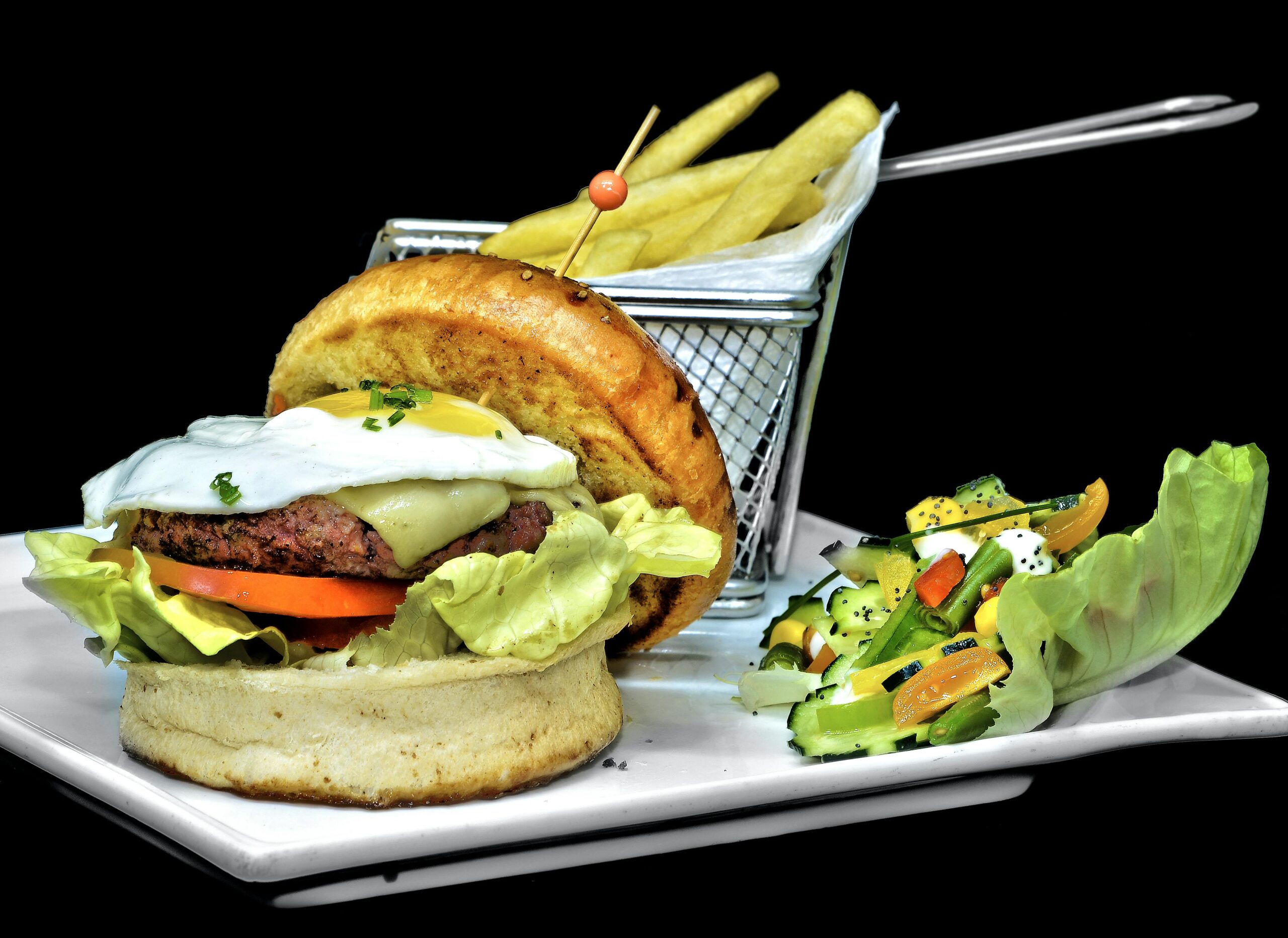
Featuring a perfectly cooked Halal beef patty, crisp turkey bacon, and a sunny-side-up egg, it offers a flavor-packed start. Nestled in a soft bun, it’s the ultimate morning indulgence. Morning routines just got tastier.
Each component is crafted to ensure a balanced and hearty breakfast burger experience. It’s perfect for those who crave a robust meal that’s Halal. Ideal for both breakfast and brunch lovers alike.
9. The Halal Slider Selection
For those who savor variety, the Halal Slider Selection is a dream come true. These mini burgers pack mighty flavors in small packages. Perfect for sharing or solo indulging.
Each slider offers a unique taste experience. From spicy to tangy, every bite is a delightful journey. It’s like a mini-festival on a platter, with flavors to captivate every palate.
The Halal Sliders are great for any gathering. They’re versatile enough to please diverse tastes while maintaining Halal integrity. Ideal for events, they add charm and choice, ensuring everyone leaves happy.
10. The Ultimate Halal Burger Stack
The Ultimate Halal Burger Stack is all about abundance. It’s a towering feast, designed to satisfy your burger cravings. Each layer provides a new surprise, building excitement with every bite.
This burger promises a symphony of flavors. Rich, succulent patties blend harmoniously with fresh toppings. Every ingredient is carefully chosen to elevate your dining experience to new heights.
It’s more than a meal; it’s an adventure on a plate. Perfect for those who love a challenge, this burger is the epitome of indulgence. With the Ultimate Stack, every bite is a delicious victory.
How to Find the Best Halal Burgers Near You
Start your search by checking online reviews. Platforms like Yelp and Google provide insights from fellow food enthusiasts. Look for high ratings and detailed reviews.
Social media is another powerful tool. Follow food bloggers and local influencers. They often share hidden gems, including the best Halal burger joints.
Don’t forget to explore food truck events in your area. These gatherings showcase diverse culinary delights. You’re likely to discover a unique Halal burger that stands out from the rest.
Incorporating Halal Burgers into Your Next Event
Adding Halal burgers to your event can be a big draw. Consider booking a food truck to serve sizzling fresh burgers. It’s an engaging experience guests will talk about.
Customize your menu to fit the event theme. From gourmet toppings to classic favorites, there’s room to innovate. This personal touch adds excitement and uniqueness.
Ensure there’s something for everyone by including vegan or spicy options. Think about how Halal burgers can highlight diverse flavors. Catering to varied tastes can make your event a memorable success.
Conclusion: The Future of Halal Burgers
Halal burgers are gaining momentum across food landscapes. As they grow in popularity, their diversity widens. This appeals to a broad audience looking for unique flavors.
Innovation drives this trend. From food trucks to gourmet restaurants, Halal burgers offer endless possibilities. They highlight how tradition can meet modern preferences.
Expect to see more creative spins on these burgers. Whether for casual dining or special events, they’re here to stay. With fresh ingredients and bold flavors, Halal burgers promise a bright and flavorful future.