Category: Catering

Catering, Equipment, Event Planning

Burger Joints Of The World, Pumper Nic

15 December 2023

Another in our look at Burger chains of the world. This time, in the South American nation of Argentina, famous for Evita Peron, football and trying to take over small British protectorates in the South Atlantic.

Creation in 1974

Alfredo Lowenstein, ex owner of Quickfood, who happened to be the parent company of the renowned Argentine hamburger supplier ‘Paty’ joined forces with the Las Lenas tourist complex to launch Pumper Nic.

In 1975 Pumper Nic became the first franchise organisation in Argentina. They expanded quickly to a total of 70 outlets, and a $60 million annual turnover.

Unfortunately this rapid growth meant they quickly outstripped their ability to supervise the franchisees, leading to wide variance in the quality of food between the different outlets.

Menu

Their signature dish was a sandwich with an egg between the patties called the Mobur. They also promoted their famous ‘Dos Por Uno’ or two for the price of one burgers. Fries were called Frenys. Another prime offering was their Jaque, or ham and cheese sandwich.

Their original logo was based upon Burger Kings logo, who as it happened didn’t operate in Argentina at the time. However around the late 80’s Burger King launched into the Argentine market, and a resulting lawsuit led to the company not only changing its logo, but also shortening its name to Pumper.

Into The 90’s

Eventually in 1990, Lowenstein handed the business to his sons Diego and Paula. Sadly they had little interest in continuing the business. Eventually they sold the chain in 1995 and associated themselves with the Wendy’s chain.

The following year, the franchise system collapsed, and the new owners were unable to turn things around. By 1999 Pumper Nic declared bankruptcy, bringing to an end an early Argentine success story.
Catering, Equipment, Event Planning

German Sausage Cart

12 December 2023

We are always looking for new lines to add to our comprehensive line up of catering options. A German sausage cart is one that has been suggested regularly. We have always done hot dogs, or Frankfurters, as they are commonly known, so technically we already do German sausage. But we have never added a full line up with Bratwurst etc.

So, that is going to change. We were recently contracted by a major corporate client to provide lunch for five days at the opening of a new warehouse. The stipulation was something different everyday. We finished on the last day with Bratwurst and fries. This went down a storm, so we decided to add a full German sausage experience to our menu.

The initial offering is gonna look something like this;

Bratwurst

The famous German sausage, whose name translates as pretty much ‘Fried Sausage.’ This is probably the most popular of the offerings, and what many consider as the typical fare.

Frankfurter

Although fans of the frank might argue the point. Equally well known, and also hailing from Germany, this one tends more often in this country to go by its alternative name of hot dog.

Currywurst

Basically the aforementioned bratwurst, chopped into bite sized portions, then slathered in curried ketchup.

Kasekrainer

Basically a sausage with chunks of cheese inside, a fabulous combination, well it is if you happen to like cheese and sausages.

These will all come with a selection of typical condiments such as mustard, German ketchup etc, oh and the traditional sauerkraut, which happens to be finely chopped cabbage fermented by various lactic acid bacteria which gives it a distinctive sour taste.

If you want to book a German sausage cart for your event, check our service out!

Catering, Equipment, Event Planning, Food Trucks, Fun Story

What are the benefits of using food trucks for brand activation?

8 December 2023
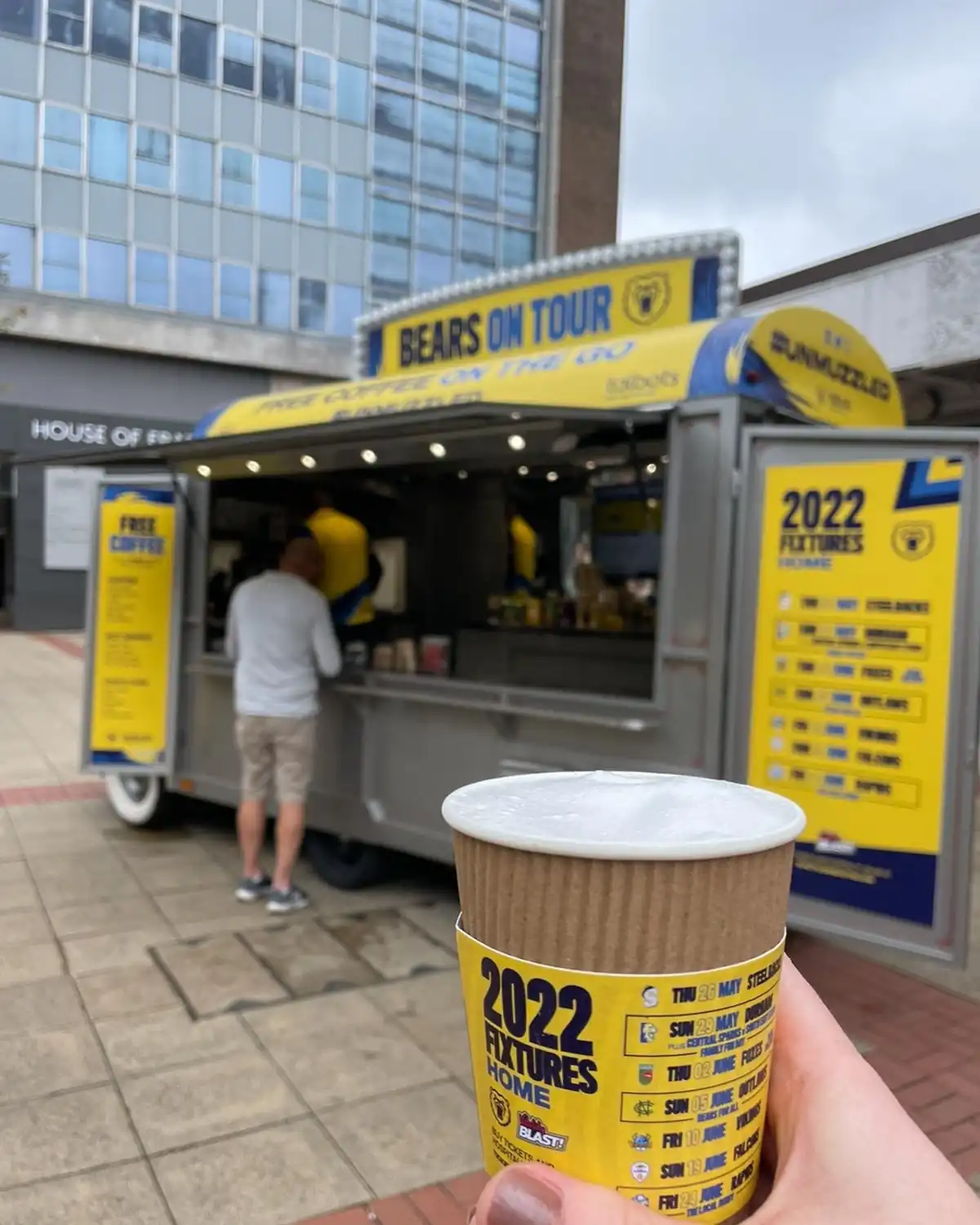
Birmingham Bears Branded

Using food trucks for brand activation offers several benefits that can help businesses engage with their audience in a unique and memorable way. Here are some of the advantages of incorporating food trucks into your brand activation strategy:

  1. Increased Visibility: Food trucks are mobile and can be strategically placed in high-traffic areas, allowing your brand to reach a larger and more diverse audience. They can be present at events, festivals, or locations that are relevant to your target demographic.
  2. Novelty and Unique Experience: Food trucks provide a novel and unique experience for customers. People are often drawn to the idea of enjoying delicious food in an unconventional setting, which can leave a lasting impression.
  3. Interactive Engagement: Food trucks offer opportunities for interactive engagement. Customers can watch their food being prepared, interact with the staff, and provide instant feedback. This interaction can foster a deeper connection between your brand and your customers.
  4. Social Media Buzz: Food trucks are highly shareable on social media platforms. Customers often share their food truck experiences, including photos and reviews, which can create organic buzz and word-of-mouth marketing for your brand.
  5. Sampling and Product Promotion: Food trucks are an excellent way to offer samples of your products. This is particularly effective for food and beverage brands, but it can also work for other types of businesses. Sampling allows potential customers to try your products, increasing the likelihood of conversion.
  6. Branding Opportunities: Food trucks can be branded with your company’s logo, colors, and messaging. This serves as a mobile billboard for your brand and enhances brand visibility.
  7. Cost-Effective Marketing: Setting up a food truck can be more cost-effective than traditional advertising or brick-and-mortar retail spaces. It allows you to reach your audience without the overhead of a physical store.
  8. Flexibility and Adaptability: Food trucks offer flexibility in terms of location and menu. You can adapt your offerings and the truck’s location to suit different events or changing customer preferences.
  9. Data Collection: You can collect valuable customer data through interactions at the food truck. This information can be used for future marketing efforts, helping you better understand your audience.
  10. Cross-Promotion: Collaborating with other food trucks or businesses can lead to cross-promotion. This can help you tap into each other’s customer bases and expand your reach.
  11. Community Engagement: Participating in local events and festivals through a food truck can demonstrate your brand’s commitment to the community and enhance your brand’s reputation.
  12. Experiential Marketing: Food trucks offer a tangible and sensory experience. Customers can taste, smell, and see your products, creating a more memorable and sensory-rich brand activation.
  13. Innovative Marketing: Using a food truck is an innovative approach to marketing that can set your brand apart from competitors and demonstrate your creativity and willingness to try new strategies.

Incorporating food trucks into your brand activation strategy can be a creative and effective way to connect with your audience, increase brand visibility, and foster positive brand associations. It offers a dynamic and engaging approach that can leave a lasting impact on potential customers.

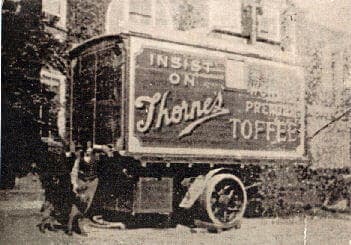
Early Branding For Thornes Toffees
Catering

Corn Dogs: From Carnivals to Kitchen Tables

30 November 2023

Corn dogs, those delectable, golden-brown treats on sticks, evoke memories of fun-filled days at fairs and carnivals. Their origin story is deeply rooted in the colourful history of American street food. These crispy, savoury snacks have not only captured the hearts of fair-goers but have also found their way into the comfort of our homes. Let’s embark on a journey to explore the delightful history and irresistible appeal of the beloved corn dog.

The Birth of the Corn Dog:

The birth of the corn dog is credited to the creative mind of Neil Fletcher, who introduced the concept in the 1940s. Originally called the “Pronto Pup,” it made its debut at the Texas State Fair. Neil Fletcher’s stroke of genius involved coating a hot dog with a thick layer of cornmeal batter, which was then deep-fried to a perfect golden crispness. The marriage of the sweetness of the cornmeal with the savory flavor of the hot dog was an instant hit, captivating the taste buds of fair attendees across the nation.

Rise to Popularity:

The 1950s and 1960s witnessed the corn dog’s swift ascent to fame, as it became a staple at state fairs, amusement parks, and other outdoor events. Its convenient, portable nature made it a favourite among families and thrill-seekers alike, solidifying its place as an iconic carnival food. With its irresistible combination of flavours and the novelty of being served on a stick, the corn dog became synonymous with carefree days and joyous indulgence.

As the love for corn dogs grew, so did its variations. Creative cooks and chefs experimented with different batters, including variations with spices, herbs, and alternative flours, catering to diverse tastes and dietary preferences. Moreover, the accessibility of pre-made options in supermarkets made it a convenient option for families seeking a quick and enjoyable meal at home.

In the contemporary culinary landscape, the corn dog continues to thrive, evolving to accommodate various dietary preferences and culinary trends. With the rise of plant-based diets, vegan and vegetarian versions of the corn dog have emerged, ensuring that this beloved snack remains inclusive and accessible to all.

The corn dog’s journey from a humble fairground snack to a beloved household favourite is a testament to its timeless appeal and adaptability. It embodies the spirit of joy and togetherness, transcending its status as a mere carnival treat to become a cherished part of American culinary culture. Whether enjoyed at a bustling fair or in the comfort of one’s home, the corn dog is more than just a tasty snack on a stick — it’s a symbol of shared happiness and lasting memories.

Catering, Fun Story

Burger Joints Of The World. Louis’ Lunch

21 November 2023

An oldie, but a goodie. Established over 128 years ago, and claiming to have served the first hamburger in the US. Sadly we can’t verify this, as like most other competing claims, the truth is lost in the mists of time, but given its age, Louis Lunch was certainly amongst the first.

History

Louis Lassen, born in Denmark as Ludvig Lassen in 1865 married Sophia Kurtz, a native of the US. Lassen was a Blacksmith and some time preacher, who ended up selling food from a street cart. Over time he began to add lunch items to his cart. Well, we say cart, but wagon was probably a better description.

Legend has it that one day in 1900, a local businessman dashed into the lunch wagon, exclaiming “Loui, I’m in a rush, stick a meatpuck between two planks and step on it.” Lassen placed a burger puck between two slices of bread and sent the man on his way. Allegedly the first burger was born

In 1917 Lassen took over a building that had been a tannery and remained there until 1975, being forced to make way for development and moving two blocks to 263 Crown Street in New Haven.

The business is today owned by the fourth generation of the family.

Menu

Today the menu consists of ‘The Burger’ which is made from a blend of five cuts of steak then broiled vertically. Accompanied by potato salad, chips and homemade pie. They also use a cheese spread rather than slices.

The patties are broiled on a cast iron vertical gas broiler made in 1898 by the Bridge and Beach Co. and they use a 1929 Savory Radiant Gas Toaster.

Louis’ Lunch ‘It’s My Way Or No Way’

Louis Lunch is famous (Infamous perhaps) for its dislike of ketchup,. In fact asking for ketchup on your burger results in you being ejected from the premises. A no ketchup sign hangs prominently in the restaurant, along with a caption popping up to read “Yale students who try to sneak in ketchup are asked to leave”. The venue is all about the burger, and allows nothing to upstage or detract from it, so no fancy buns or condiments, you get onions, tomato and a squirt of cheese.