Valentine’s Day is synonymous with romance. But who said romance can’t be served up in a bun?
Welcome to the world of gourmet burgers for Valentine’s Day. A world where the humble burger is elevated to a culinary delight, perfect for a romantic dinner.
Food trucks are leading this revolution. Offering a unique dining experience, they’re becoming a popular choice for events, including weddings.
This guide is for those seeking to create a memorable Valentine’s Day experience. It’s also for marketing managers and wedding planners looking for innovative ideas.
We’ll explore how to craft the perfect romantic burger. We’ll also delve into the appeal of food trucks for event catering.
So, get ready to fall in love with burgers this Valentine’s Day. It’s a treat that promises to be as delightful as it is delicious.
The Rise of Gourmet Burgers on Valentine’s Day
Gourmet burgers have become the star of Valentine’s Day meals. Their irresistible charm lies in their versatility and ability to cater to diverse tastes. Unlike traditional dinners, these creations offer a casual yet sophisticated twist to romantic dining experiences.
Couples are increasingly drawn to this trend. The allure is in trying bold flavors and premium ingredients. From juicy beef patties to exotic meats and plant-based options, there’s something for everyone. Food enthusiasts relish this culinary innovation, making burgers a popular choice for celebrating love. It’s a delightful departure from the usual, adding excitement and flavor to the celebration.
Crafting the Perfect Romantic Burger Experience
Creating a romantic burger experience involves more than just great taste. Ambiance and presentation play pivotal roles. You can transform the humble burger into an unforgettable Valentine’s Day feast with thoughtful touches.
Start with the setting. Soft lighting, cozy seating, and thematic decorations set the mood. It’s the little details that convey romance. Add heart-shaped decorations or a touch of red to tie everything together.
Next, focus on personalization. Allow customization for guests to build their ideal burger. Offer a variety of ingredients to cater to different preferences. Choices can include cheese, sauces, and toppings. Your guests will appreciate the interactive experience.
Here’s a list of key items to enhance the experience:
- Heart-shaped buns: Add a romantic touch.
- Gourmet condiments: Elevate the flavor profile.
- Unique toppings: Offer artisanal cheeses and fresh greens.
- Themed decor: Enhance the ambiance with subtle accents.
Selecting the Right Ingredients for Love
Select ingredients that ignite passion and flavor. Begin with a quality patty. Whether beef, chicken, or veggie, the heart of the burger should impress. Freshness is key to achieving superior taste.
Consider aphrodisiac ingredients. Ingredients like avocado, garlic, and spicy peppers can stimulate the senses. They add an exciting flair to your creation. These elements can enhance both taste and allure.
Finally, balance the flavors. Complement the bold with the mild. A well-composed burger ensures a harmonious bite. When each layer contributes to the final taste, love is truly in the details.
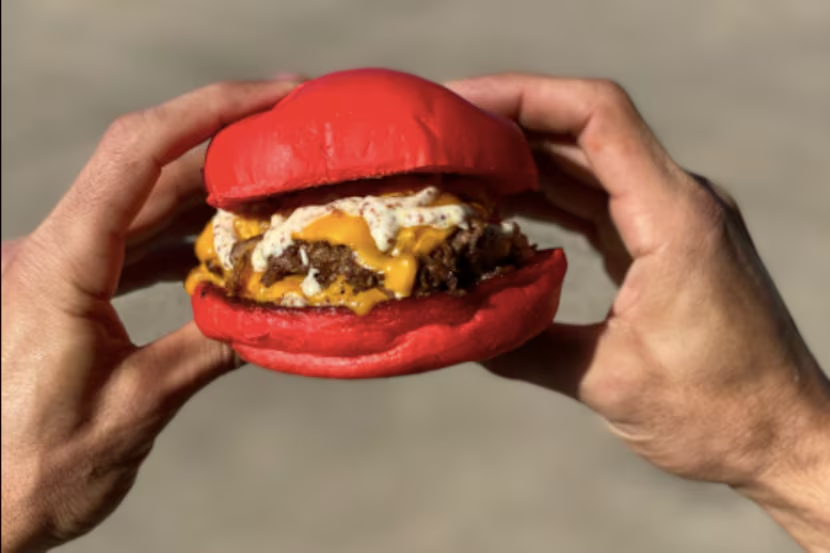
Wine and Beer Pairings to Toast Your Love
Pairing the right drinks elevates the dining experience. A crisp beer or fine wine complements gourmet burgers beautifully. Choose a drink that highlights the burger’s flavors.
For beef burgers, rich red wines like Cabernet Sauvignon make an excellent choice. They complement the savory depth of grilled meats. Lighter reds also work well with turkey or chicken burgers.
If you prefer beer, opt for craft varieties. IPAs accentuate spicy sauces, while stouts pair well with bold, savory flavors. These pairings enhance your meal, providing a memorable culinary journey.
Food Trucks: The Movable Feast of Romance
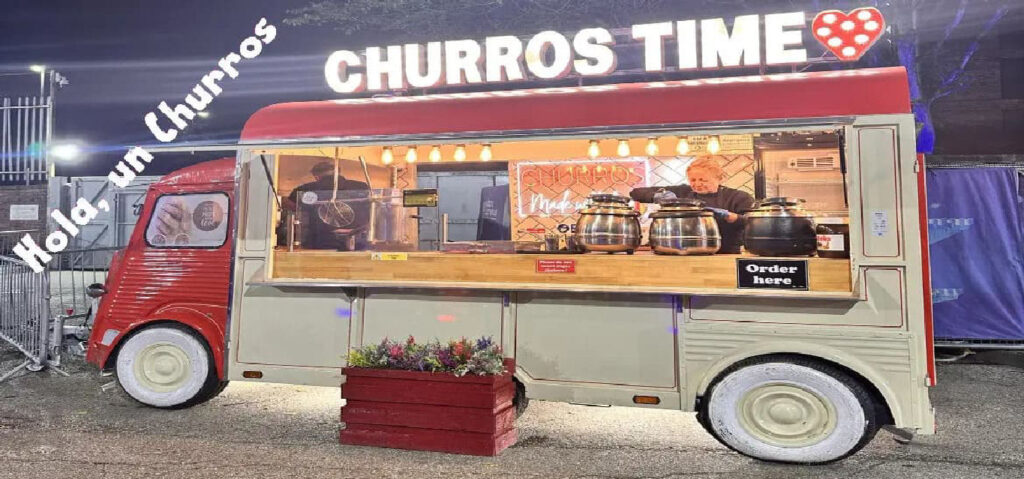
Food trucks offer a unique and flexible dining option. They bring delicious meals directly to your event with charm and flair. Their mobility allows guests to enjoy great food virtually anywhere.
These trucks specialize in creativity and customization. They often feature gourmet options that surprise and delight. Their charm lies in offering high-quality fare in a casual setting, which guests love.
Moreover, food trucks create an interactive experience. Guests mingle around the truck, sharing in the excitement of freshly prepared food. This communal atmosphere adds a touch of romance, perfect for any occasion.
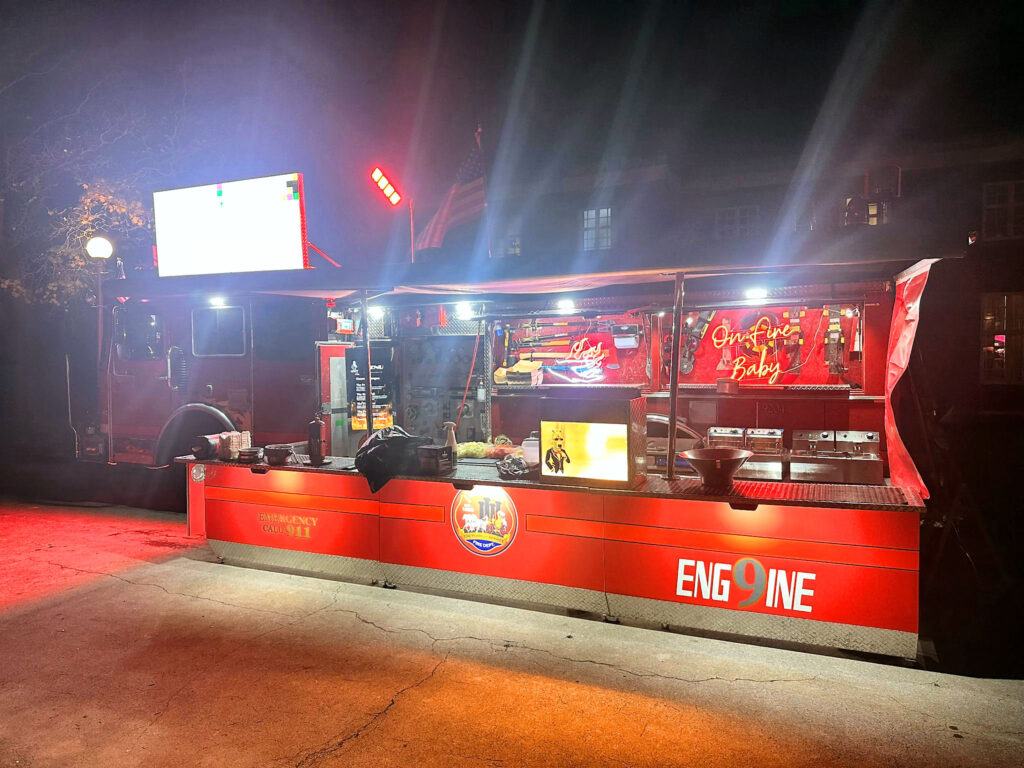
Booking a Food Truck with Wow Factor for Your Wedding
Booking a food truck for your wedding adds a special touch. Seek out trucks known for their unique offerings and exceptional service. They can turn any event into a memorable culinary adventure.
Consider the theme of your celebration. Choose a truck that complements the style and atmosphere of your wedding. This match ensures harmony between the food and overall event experience.
Finally, communication is key. Discuss your vision and dietary needs with the food truck team. Their expertise will help craft a menu that delights and wows your guests. A food truck can indeed become an unforgettable highlight of your wedding day.
Burger Dinner Ideas That Sizzle with Creativity
Valentine’s Day is the perfect time to explore creative burger ideas. Add flair to your dinner with unexpected flavors. Consider ingredients that surprise and excite the palate.
Think beyond the typical beef patty. Try exotic meats or plant-based options. Each can offer a new twist on a classic favorite that impresses your guests.
Presentation is key in crafting a memorable meal. Use vibrant garnishes and artistic plating. These visual delights, paired with delicious taste, can elevate any burger to gourmet status.
Aphrodisiac-Infused Burgers to Spice Up the Evening
Infusing your burgers with aphrodisiac ingredients can add an exciting spark. Consider ingredients like chili peppers or garlic for a bold, lively flavor. These elements are known to stir the senses and heat up the evening.
Don’t shy away from using herbs such as basil or mint. They add not only freshness but also a romantic essence. Such herbs can transform your burger into a sensory delight.
Integrating these flavors creates an intimate dining experience. As you explore new taste combinations, relish the aromas that enhance the romance. These aphrodisiac-infused burgers can make Valentine’s Day unforgettable.
Conclusion: A Valentine’s Day to Remember with Burgers
Valentine’s Day is about creating moments of love and joy. Infusing this with gourmet burgers can make it truly unforgettable. Burgers offer a unique blend of comfort and creativity, perfect for a special celebration.
As you plan your Valentine’s event, remember that detail matters. From selecting quality ingredients to crafting perfect pairings, each element adds to the magic. Every thoughtful touch makes for a more memorable experience.
Whether through food trucks or personalized dinner ideas, burgers make every heart beat faster. Celebrate love with flavor, passion, and a dash of imagination. Let your Valentine’s Day burger bash be a testament to your love’s creativity.