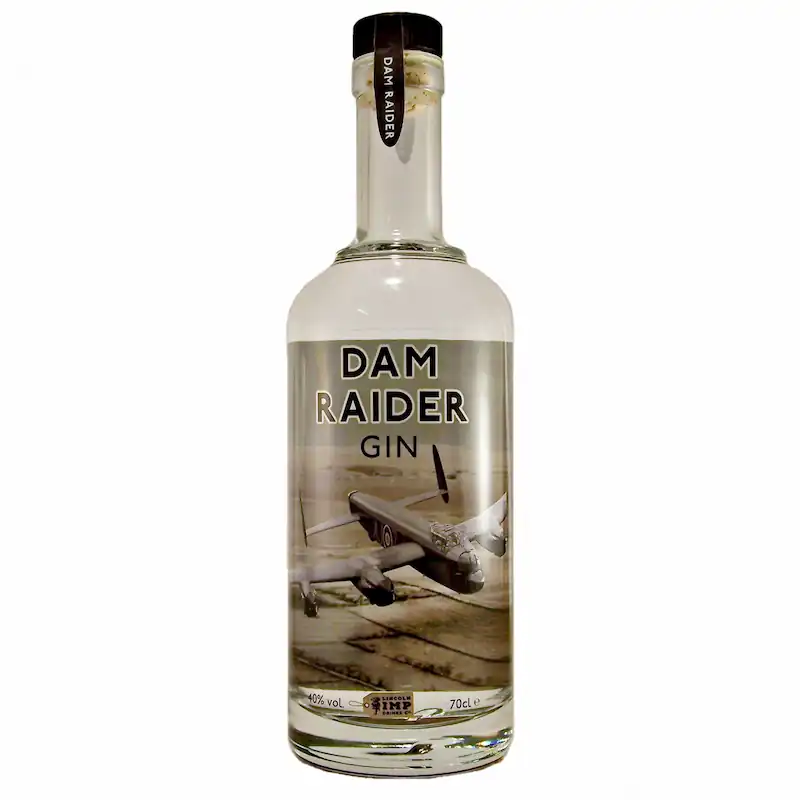
Today is World Gin Day. A celebration of that hot, on trend drink, which has changed over the years from being a cheap “Mothers ruin“, to an in demand industry. Every day seems to bring another gin flavour, we have had everything from Truffle Gin, to elderberry.
Add in the great range of mixers and gin has something to suit any palate.
The idea of world gin day is to give everyone a chance to enjoy their favourite tipple, not that an excuse is needed. Dating from the 13th century its certain proved it’s long lasting appeal.
Massive Selection Of Flavours
Gin is building up a fabulous selection of flavours, just the basic range on our bars include;
Some of the city centre bars have more offerings than you can count.
So however you like it, raise a glass and enjoy. If you need a set up for a wedding, party or corporate event, we can provide a fully staffed and stocked bar with your choice of flavours.
Luxury Gin Bar Hire
Special Offer
Hire our bar for an event this month and we will throw in a couple of bottles of Presecco for you.
Street food burgers are more than just a meal. They’re an experience, a culinary journey that takes you through a world of flavors, textures, and aromas.
From the sizzle of the grill to the first bite, these burgers captivate your senses. They’re a testament to the creativity and innovation of food truck chefs, who transform simple ingredients into gourmet delights.
But what makes these burgers stand out in a sea of street food options? It’s a combination of high-quality ingredients, unique recipes, and the personal touch that food trucks bring to their craft.
In this article, we’ll explore the best street food burgers, diving into the world of food trucks and their mouthwatering offerings. We’ll uncover what makes these burgers so special and why they’re a hit at events, especially weddings.
So, whether you’re a marketing manager seeking fresh content ideas, a wedding planner in search of the perfect food truck, or a food enthusiast eager to discover new tastes, this guide is for you.
Join us as we embark on this flavorful adventure, exploring the best street food burgers that will leave you craving for more.
The Rise of Street Food Burgers
Street food burgers have become a global sensation. They’re not just a trend—they’re a movement. This rise in popularity stems from the desire for quick, tasty, and unique meals.
Food trucks have played a major role in this revolution. They offer gourmet and artisanal options that cater to diverse palates. Gone are the days when street food was synonymous with low-quality meals.
Today, street food burgers are crafted with precision. Chefs experiment with flavors, resulting in exciting combinations that delight and surprise. High-quality ingredients make all the difference, elevating these burgers to a gourmet level.
The street food scene thrives on accessibility. Anyone can enjoy these burgers without breaking the bank. It’s this combination of convenience and quality that has contributed to their popularity.
As these burgers continue to capture hearts, they’re no longer just a meal. They’re an essential part of urban culture and culinary innovation.
What Makes a Burger Stand Out?
A standout burger is more than just a meal—it’s an experience. To shine in the crowded market, it must captivate both taste buds and senses.
It’s not just about toppings. Every component matters, from bun to patty.
Here are key elements that contribute to a memorable burger:
High-Quality Ingredients: The foundation of flavor.
Unique Recipes: Innovating traditional taste.
Attention to Detail: Craftsmanship in every bite.
Perfect Cook: Achieving the ideal texture.
Visual Appeal: Inviting and enticing the eyes.
Together, these factors create an unforgettable burger that leaves a lasting impression.
Using locally sourced meats and produce ensures freshness. These ingredients add a layer of authenticity and support local farmers.
A good burger balances flavors and textures. The freshest ingredients amplify every sensation. They transform a simple sandwich into a mouthwatering masterpiece.
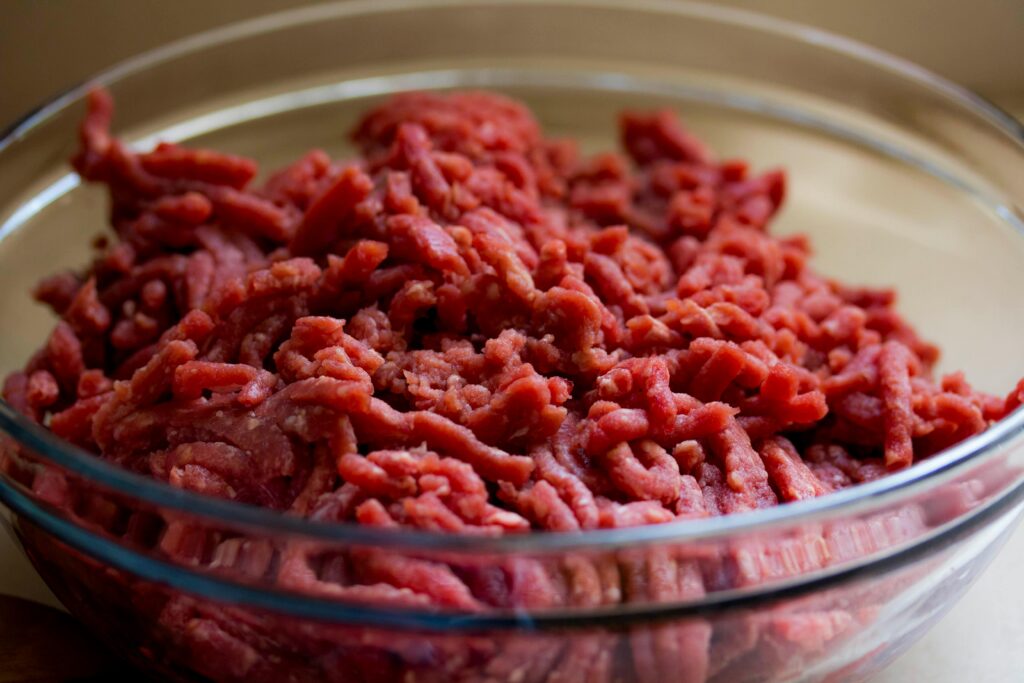
Best Meat Chuck For Gourmet Burgers
Unique Recipes and Flavors
What sets street food burgers apart is their bold flavors. Innovative recipes capture attention and inspire patrons.
Chefs embrace creativity, blending spices from around the world. Cultural fusion allows for unexpected, delightful flavor profiles.
Experimentation leads to remarkable discoveries in the culinary world. When chefs dare to be different, it can result in magnificent flavors that redefine what a burger can be.
The Food Truck Revolution
Food trucks have redefined street food, bringing gourmet flavors to the masses. These mobile kitchens offer convenience and culinary excellence.
Once seen as a novelty, food trucks now cater to diverse tastes. They provide high-quality meals typically found in upscale dining.
Their mobility allows them to reach different audiences. Festivals, parks, and even office buildings become dining destinations.
This flexibility has fueled their popularity and business growth. For many, food trucks symbolize innovation and culinary adventure.
In crowded cities, food trucks fill the gap between fast food and fine dining, offering the best of both worlds.
Huge Tower Burger
Gourmet on Wheels
Gone are the days when food trucks served simple, greasy fare. Today, they boast gourmet menus that rival brick-and-mortar restaurants.
Chefs craft meals with precision, focusing on the quality of every dish. Presentation matters, even if it’s from a window on wheels.
The variety is astounding, from truffle-infused fries to avocado-laden burgers. This gourmet approach attracts foodies searching for quality on-the-go.
Street corners become pop-up delicacies, offering a culinary journey. Taste and elegance blend seamlessly in this new era of street cuisine.
Customization and Personalization
Food trucks are renowned for their flexibility and customization. Diners aren’t limited to a set menu; personalization is at the forefront.
Customers can tailor their burgers to meet dietary needs or flavor preferences. Vegan, gluten-free, or extra spicy options are readily available.
This adaptability is a major draw, especially for events needing bespoke services. Wedding planners and hosts appreciate a menu catered to their guests.
Food trucks celebrate individuality by providing choices aplenty. Every bite reflects the personal taste and dietary consideration of the customer.
Social Media and Street Food Culture
Social media has propelled street food burgers into the spotlight. Platforms like Instagram and TikTok celebrate these culinary creations.
Sharing pictures fuels the excitement and discovery. Each post serves as a virtual menu, enticing others to explore these delights.
Street food vendors harness this by sharing drool-worthy images and stories. A creative post can capture wide attention and draw in new fans.
This digital buzz amplifies a food truck’s reach. It links food lovers and creators, forging a strong community around a shared passion.
Instagrammable Eats
Beautifully crafted street burgers are more than just food; they’re art. Their vibrant colors and creative arrangements beg to be photographed.
Capturing a burger in its delicious glory has become an essential dining activity. Instagram feeds overflow with these edible masterpieces.
For food trucks, visual appeal is key. A photo-friendly burger can become a brand’s ambassador, showcasing its unique offering.
This visual marketing boosts engagement and word-of-mouth. It turns a meal into a must-share experience, enhancing the street food culture.
Food Trucks at Events: The Wedding Wow Factor
Food trucks have redefined wedding catering, adding a unique flair. Their charm creates excitement and originality on the big day.
They offer a fresh alternative to traditional catering, attracting couples seeking innovation. Street food burgers can be both delicious and conversation-worthy.
These mobile kitchens provide flexibility. They easily adapt to outdoor venues, elevating the dining experience.
Guests enjoy the novelty of ordering from a truck. It brings a relaxed vibe, encouraging interaction and delight.
Choosing a food truck can make your wedding memorable. It infuses fun and flavor into the most special celebration.
Creating Memorable Experiences
A food truck serves more than tasty meals; it creates joyful memories. Couples can customize menus, adding personal touches.
This flexibility allows for creative themes, matching your wedding’s style. Themed trucks or customized burgers leave a lasting impression.
Interactive dining engages guests, making mealtime lively and enjoyable. It becomes a highlight rather than a mere necessity.
Choosing a food truck aligns with a desire for something special. This choice adds an unforgettable layer to your wedding day.
Sustainability and Street Eats
Sustainability is a growing priority in the world of street food. Food trucks are increasingly adopting eco-friendly practices.
By using local ingredients, they reduce food miles. This choice supports local farmers and boosts community economies.
Many trucks use biodegradable packaging. This reduces waste and aligns with eco-conscious customer values.
Sustainable practices ensure a bright future for street food. They enhance the experience while also caring for our planet.
Conclusion: The Future of Street Food Burgers
Street food burgers are more than just a meal; they’re a phenomenon. They blend tradition, innovation, and diversity.
As trends shift, these burgers continue to evolve. Gourmet influences and unique ingredients keep them fresh and exciting.
Food trucks lead the charge in culinary creativity. With their adaptability, they’re perfect for exploring new flavors.
Their role in social settings is undeniable. These trucks bring people together, creating a sense of community.
The future looks promising for street food burgers. Their adaptability ensures they’ll remain a staple in the culinary landscape.
In the bustling world of marketing, standing out is a challenge. Traditional methods can often fall flat.
Enter the food truck promotional tour.
This innovative approach combines the allure of street food with brand activation. It’s a unique way to engage with consumers directly, creating a memorable experience that resonates.
Food trucks offer mobility, allowing brands to reach diverse audiences in various locations. They also provide a platform for interactive events, amplifying brand visibility.
This article will guide you through the process of using food trucks for promotional tours. It’s time to hit the road and take your marketing to the next level.
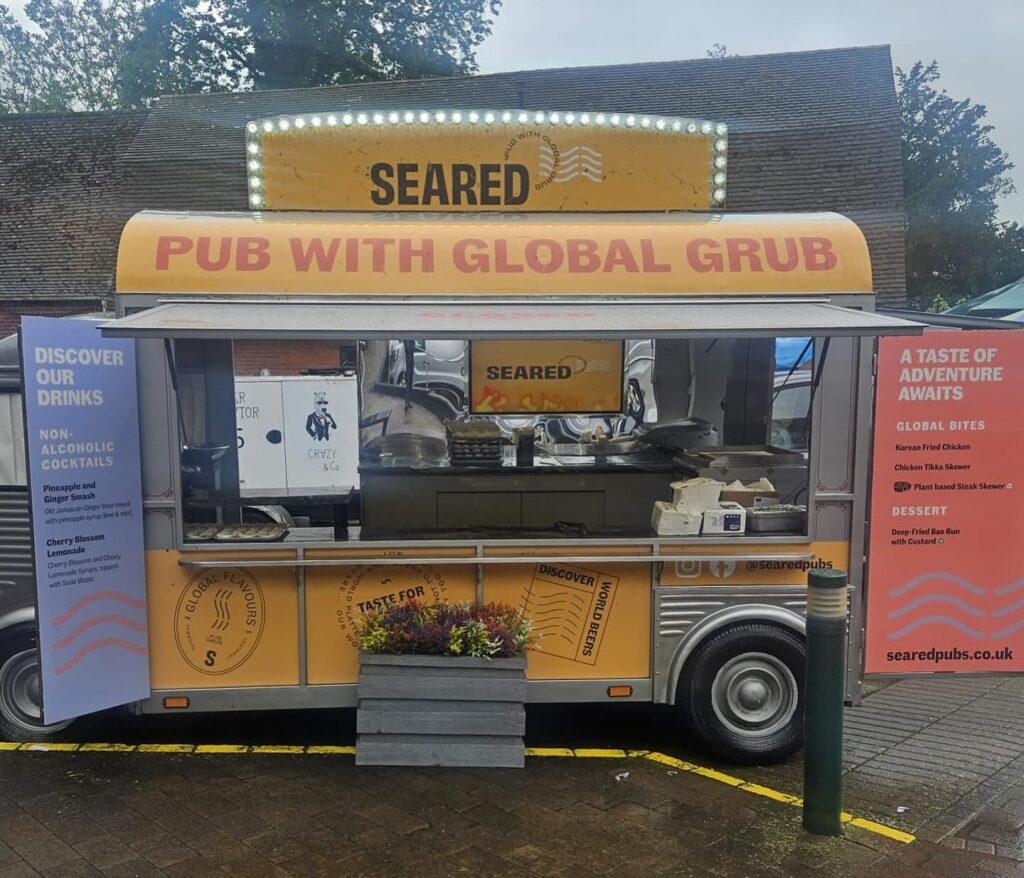
Seared Branded Food Truck
The Rise of Food Truck Promotional Tours
Food trucks have transformed from niche novelty to mainstream marketing powerhouse. Their rise is fueled by the growing popularity of street food culture, drawing crowds eager for unique culinary experiences.
Brands are tapping into this trend, using food trucks as mobile marketing platforms. They create buzzworthy food truck events that stand out in a saturated market.
Promotional tours with food trucks are not just about food; they’re about creating a buzz. They offer a fresh, dynamic way for brands to connect with consumers. By going where the people are, brands can foster deeper connections.
Why Food Trucks Resonate with Today’s Consumers
In a fast-paced world, convenience is king, and food trucks deliver it superbly. Consumers love the accessibility and spontaneity they offer. It’s not just about the food; it’s the whole experience.
Consider these reasons why food trucks appeal:
Novelty Factor: They bring an unexpected delight to usual routines.
Authenticity: They often offer unique, handcrafted foods.
Variety: A wide array of flavors fits many tastes.
Food trucks tap into the craving for memorable and engaging dining experiences. People are drawn to their vibrant, energetic atmosphere. They’re more than a meal; they’re an event in themselves.
Crafting a Unique Brand Experience on Wheels
Designing a distinct food truck experience requires creativity and a strong brand message. The truck should reflect your brand’s personality and values. Use vibrant colors and logos that capture attention.
The inside experience should match the outer branding. Friendly and engaging staff can create a welcoming vibe. Engage customers with a story or theme. Make each visit an adventure that leaves a lasting memory. This adds depth to the consumer’s experience and enhances brand loyalty.
Customizing Your Food Truck for Maximum Impact
Your food truck is a roaming billboard. Its appearance is vital in grabbing attention. Eye-catching designs ensure it stands out in crowded spaces.
Integrate elements that echo your brand ethos. Use custom graphics and thematic artwork. Consider incorporating digital screens for versatile displays. Adaptable designs offer flexibility for varied events. A well-designed truck can communicate your brand message instantly.
Menu Matters: Aligning Offerings with Brand Identity
Your menu is your brand on a plate. Ensure offerings reflect what your brand stands for. It’s crucial for forming authentic consumer connections.
Craft unique dishes that resonate with your audience. Consider their preferences and local tastes. Use ingredients that echo your brand’s values, like local or sustainable options. Innovative and exclusive menu items attract curiosity and demand. This aligns your culinary identity with your marketing goals.
Driving Engagement Through Street Food Events
Street food events offer a vibrant platform for brand engagement. They tap into the allure of street food’s easy charm and immediacy. This dynamic atmosphere fosters connections and cultivates loyal followers.
Consider these tactics for effective engagement:
Host exciting games or contests to captivate visitors.
Provide memorable experiences with live entertainment.
Offer exclusive deals or samples to entice new customers.
Each interaction helps customers form a strong bond with your brand. A spirited event invites conversation, creating genuine moments of joy. These experiences amplify brand presence and foster community spirit.
Interactive Elements and Social Media Integration
Interactive elements bring your brand to life. Incorporate activities that engage and excite visitors. Whether it’s a spin-the-wheel game or tasting challenge, it keeps patrons entertained.
Social media is indispensable. Use it to capture and share real-time moments. Encourage attendees to share their experiences. Create a custom hashtag to track and boost your tour’s online reach. These strategies foster a vibrant digital buzz around your brand.
Choosing the right location is key to a successful food truck tour. High-traffic areas ensure visibility and engagement. Busy urban spots or lively event venues provide ideal settings.
Scout popular community events or festivals to draw crowds. Secure strategic parking spots in bustling commercial districts. Location directly impacts your foot traffic and overall brand impact. An accessible and appealing spot draws people in. It contributes significantly to the effectiveness of your promotional efforts.
Measuring the Success of Your Food Truck Tour
Evaluating the effectiveness of a food truck tour is crucial. Analyze data from various sources to gauge success.
Consider monitoring these key metrics:
Foot traffic and sales figures
Social media engagement and reach
Customer satisfaction and feedback
These measurements provide insights into what’s working. They identify areas for improvement and guide future planning. Data-driven decisions can elevate your brand activation efforts, ensuring ongoing success.
Gathering and Utilizing Customer Feedback
Customer feedback is invaluable for refining strategies. During the tour, encourage patrons to share thoughts and experiences.
Prompt feedback through surveys or direct conversations. Use this information to fine-tune offerings and improve service. Insights gained can enhance customer experience and strengthen brand connection. By listening and adapting, you create a cycle of continuous improvement. This responsiveness builds trust and loyalty, laying the groundwork for future campaigns.
Overcoming Challenges: Logistics, Permits, and Weather
Food truck tours require meticulous planning. Logistics play a crucial role in ensuring smooth operations.
Securing necessary permits is essential. This helps avoid legal troubles and keeps the tour running smoothly. Weather can also be unpredictable. Have contingency plans ready for adverse conditions. Flexibility and foresight are your best allies. By anticipating potential challenges, you ensure successful, uninterrupted promotional tours. Proper preparation keeps your brand journey on track, come rain or shine.
Conclusion: The Future of Food Truck Promotional Tours
Food truck promotional tours have immense potential. They merge mobility with marketing in innovative ways. Brands can connect with diverse audiences while on the move.
The adaptability of food trucks is unmatched. They offer the chance for creative campaigns and engaging brand experiences. As consumer preferences evolve, these tours will likely grow in popularity.
Emphasizing community and personalization, food truck events foster loyalty. They break away from traditional methods, providing authenticity and excitement. Embrace this trend, and position your brand at the forefront of experiential marketing. The future looks bright for promotional tours on wheels.
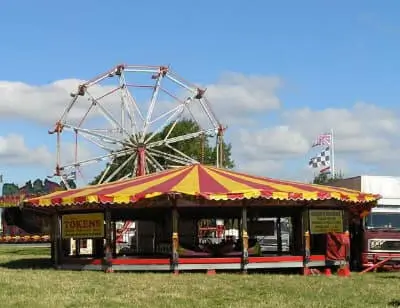
These classic funfair rides are not just for carnivals and amusement parks. They can be brought right to your event venue, adding a nostalgic and fun element that guests of all ages will enjoy.
Whether you’re a marketing manager seeking to create an engaging brand experience, a wedding planner looking for a quirky entertainment idea, or an individual planning a private party, dodgems could be the perfect solution.
In this article, we’ll explore the benefits and considerations of hiring dodgems for your event. We’ll also provide practical tips to help you plan a memorable dodgem experience for your guests.
So buckle up and get ready to rev up your party with dodgems!
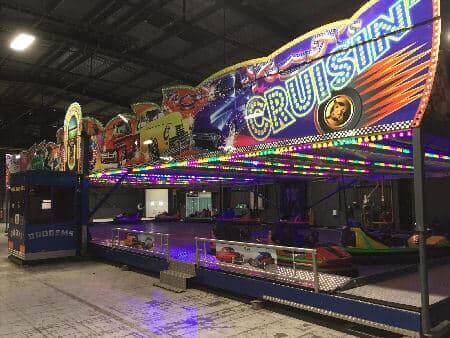
traditional dodgems for hire
Why Dodgems Are a Must-Have for Your Next Event
Dodgems are synonymous with thrill and laughter. Their unmistakable sound and bright lights evoke fond memories.
They offer an interactive experience, unlike any other ride. Guests can engage with one another in a fun and playful way.
Events featuring dodgems become instant hits. They foster excitement and competitiveness in a lighthearted manner.
People of all ages love dodgems. They bridge generations, making them ideal for family gatherings.
Corporate events benefit from dodgems too. They encourage team-building and camaraderie among colleagues.
Weddings also see a special charm in dodgems. Couples create unforgettable memories riding together.
Dodgems provide a sensory delight. The buzz of bumpers and glow of lights captivate everyone.
These rides become a center of attraction. They naturally draw crowds, enhancing the atmosphere of any occasion.
Incorporating dodgems can increase social media engagement. Guests love sharing these joyful moments online.
Ultimately, dodgems add immense value to events. Their presence ensures your gathering stands out in guests’ memories.
The Nostalgic Allure of Bumper Cars
The nostalgia of bumper cars transcends generations. Many adults fondly remember their own childhood rides.
These rides spark joy and reconnect us with simpler times. Dodgems help us relive carefree days at the fair.
They are an instant mood booster. In a matter of minutes, dodgems bring smiles and laughter.
The retro appeal is undeniable. Bumper cars evoke a vintage charm that delights guests of all ages.
Integrating dodgems at your event taps into this timeless appeal. You create a shared experience, rich with nostalgia.
Suitable for Every Occasion: From Corporate to Weddings
Dodgems adapt seamlessly to various events. Their versatility is part of their appeal.
At corporate functions, they promote teamwork. Colleagues bond and collaborate while having fun.
For weddings, they offer unique entertainment. Couples create lasting memories with these joyful rides.
Festivals benefit from their crowd-drawing ability. They become a central attraction, ensuring lively attendance.
Private parties enjoy the addition of dodgems too. They provide an unusual twist, making any occasion unforgettable.
Planning Your Dodgem Experience
Planning is key to a successful dodgem experience. Start by considering your event’s goals and audience.
Assess the atmosphere you wish to create. Think about how dodgems can enhance this vibe.
Determine the number of dodgem cars needed. Your guest list and venue size will guide this choice.
Choose a reputable hire company. Research reviews and testimonials to ensure reliability and quality.
Communicate with the hire company about logistics. Detailed discussions prevent last-minute surprises.
Check power requirements for the dodgems. Ensure your venue meets these needs for a seamless setup.
Discuss staffing needs with the hire company. Having operators on-site ensures smooth rides and safety.
Explore customization options like music and lighting. Tailoring these elements enhances the guest experience.
Plan the timeline for setup and dismantling. Coordination with other event elements is crucial.
Create a checklist to manage all aspects. This ensures a worry-free dodgem event at your party.
Venue Considerations for Dodgem Setup
The right venue can make all the difference. First, assess the size and layout of the event space.
Ensure there is ample room for dodgems. Consider both the rides and the queuing area.
Check the ground surface. It should be flat and stable for safe dodgem operation.
Evaluate accessibility to power sources. This is critical for a successful setup.
Account for nearby noise levels. Dodgems are lively, so check for potential disruptions to others.
Safety First: Ensuring a Fun and Secure Ride
Safety is paramount for a stress-free experience. Begin by choosing a reputable hire company with a strong safety record.
Verify that all equipment meets safety regulations. Certification ensures peace of mind.
Ensure safety briefings for guests. Operators should provide clear instructions before rides commence.
Confirm the availability of all necessary safety gear. Seat belts and sturdy bumpers are essential.
Finally, oversee the ride’s operation during the event. Vigilance ensures any issues are promptly addressed, keeping everyone safe and happy.
Customizing Your Dodgem Hire
Unleash creativity by customizing your dodgem experience. Transform these funfair rides into a unique attraction.
Start by choosing a theme. Whether it’s retro or modern, align the rides with your event’s vibe.
Incorporate personalized elements. You can tweak the ride’s appearance to match your style.
Discuss possibilities with the hire company. Many offer bespoke solutions for special occasions.
Customization can elevate your event. Tailor-made experiences leave a lasting impression on your guests.
Themes, Music, and Lights: Making Dodgems Your Own
Let your imagination run wild with themes. From vintage carnivals to futuristic spectacles, the options are endless.
Select music that resonates with your audience. The right tunes can create an immersive ambiance.
Consider lighting effects to add drama. Vibrant colors and flashing lights make the ride more exhilarating.
Coordinate the elements seamlessly. A cohesive setup amplifies the experience for everyone.
Creating a personal touch can make the dodgems unforgettable. Dive deep into what excites your guests.
Branding Opportunities for Marketing Managers
Dodgems offer a fresh canvas for brand promotion. They’re not just fun; they’re powerful marketing tools.
Customize cars with company logos. It’s a striking way to enhance brand visibility at events.
Integrate brand colors and themes. This harmonizes the rides with your overall marketing strategy.
Use dodgems to engage consumers. The experience can strengthen brand connections through fun interactions.
Every spin is a promotional opportunity. Leverage this to drive social media buzz and market your brand effectively.
The Logistics of Hiring Dodgems
Planning a dodgem hire involves several logistical steps. It’s not just about having fun.
Consider the timing carefully. Decide when the rides will be a focal point at your event.
Transportation is crucial. Ensure the dodgems arrive on time and in great condition.
Setup needs to be efficient. Allocate sufficient space and time for assembly.
Consult with the hire company for smooth execution. Their expertise can navigate any logistical challenges.
Timing, Transportation, and Setup
Timing is everything when booking dodgems. Determine the busiest periods at your event.
Schedule delivery and setup early. This prevents last-minute hiccups.
Transportation requires precision. Liaise with the hire provider on logistics.
Setup should align with your event flow. A well-placed ride boosts guest experience.
Effective management ensures a seamless operation. Avoid disruptions for a stress-free event atmosphere.
Maximizing Guest Engagement with Dodgems
Dodgems bring people together. Their universal appeal bridges all age groups and backgrounds.
The excitement of bumper cars inspires social interaction. Shared experiences create bonds and unforgettable conversations.
Dodgems invite friendly competition. This dynamic adds an engaging element to your event.
Encourage guests to partake. Organize small contests or challenges around the rides.
More interaction means more fun. A lively atmosphere elevates the overall event.
Social Media Buzz and Photo Ops
Dodgems naturally draw eyes. They’re as fun to watch as they are to ride.
Leverage this appeal on social media. Encourage guests to capture and share their moments.
Designate a photo area near the dodgems. Unique backdrops can enhance the photos and create memorable content.
Create hashtags for your event. This increases visibility and encourages community participation.
Social media amplifies your event’s reach. The visual allure of dodgems boosts online presence.
Creating Lasting Memories for Attendees
Dodgems leave a mark. Their lively nature lingers long after the event ends.
Emotional connections are key. The joy of riding stays in the hearts of your guests.
Guests often reminisce about childhood memories triggered by dodgems. This nostalgia strengthens their experience.
Offer keepsakes like photos or branded memorabilia to remind them of the fun.
These lasting impressions foster fondness. Dodgems can turn a simple event into an unforgettable celebration.
Conclusion: Rev Up Your Party with Dodgem Hire
Dodgems add a spark to any event. Their charm offers a delightful blend of fun and nostalgia.
Hiring dodgems transforms your gathering from ordinary to extraordinary. Embrace the joy and make lasting memories. Choose dodgems and watch your party come alive with excitement.
Churros. The mere mention of this delightful treat is enough to make mouths water. These golden, crispy pastries have a rich history that’s as intriguing as their taste is irresistible. In this article, we will explore the fascinating story of churros.
But where did churros come from? The answer is not as straightforward as you might think. The origins of churros are shrouded in mystery, with theories linking them to ancient China or the rugged mountains of the Iberian Peninsula.
Today, churros are a global sensation. From Spain to Latin America, and from street carts to weddings, these delicious snacks have found their way into the hearts and stomachs of people around the world.
In this article, we’ll delve into the fascinating history of churros. We’ll explore their enigmatic origins, their journey across cultures, and their place in modern celebrations.
So, whether you’re a marketing manager looking for unique content ideas, a food enthusiast, or simply a churro lover, join us as we embark on this tasty adventure.
The Enigmatic Origins of Churros
The story of churros is woven with intriguing threads from different cultures. While their exact origin is debated, each theory offers a captivating tale. One popular belief is that churros were brought to Europe by Portuguese explorers. They discovered a similar pastry in China called ‘youtiao,’ which inspired what we know as churros today.
Another narrative traces churros back to the high mountains of Spain. It is said that Spanish shepherds crafted them as a portable snack. The simplicity of the ingredients made churros a perfect food to prepare over a campfire.
Churros were more than just survival food; they became a symbol of warmth and comfort. The delightful dough, combined with the enchanting aroma of frying, provided solace in the cold mountain air.
This mystery only adds to the allure of churros. Their origins reflect cultural exchanges and human ingenuity, tracing a path across continents.
As we explore further, the intertwining stories reveal even more about how churros became a cherished culinary delight across the world.
The Portuguese Connection and the Spanish Shepherds
The Portuguese sailors’ encounter with ‘youtiao’ was a pivotal moment in culinary history. Their travels to the East brought not only spices and silks but a curiosity about new foods. They adapted this Chinese treat, embedding it in European culinary traditions.
Meanwhile, in Spain, shepherds roamed vast, mountainous terrains. Over open fires, they mixed basic ingredients—flour, water, and salt. These were crafted into dough sticks, easy to cook and savor on the go.
The juxtaposition of these two stories highlights a shared desire for sustenance and comfort. Whether out at sea or on a lonely mountain path, churros provided both.
Over time, the distinct crispy texture and enticing flavor of churros emerged, captivating palates. Shepherds’ simplistic approach echoed Portuguese adaptations, creating a perfect blend of practicality and pleasure.
These two intertwined origins underline how churros adapted across regions, with each group adding its unique touch.
The Churra Sheep: A Name’s Legacy
The name “churro” is reputedly derived from the Churra sheep. Known for their distinctively curled horns, these sheep roamed the Spanish hills. Their horn shape bears a charming resemblance to the churros’ silhouette.
This connection to the Churra sheep gave churros their identity. As a homage, the name captured the spirit of the landscape and its shepherds.
Thus, churros became more than a snack. They evolved into a symbol representing simplicity, tradition, and the pastoral lifestyle of Spain.
The story of the Churra sheep continues to echo in every crispy, spiral bite of churros today.
Churros: A Global Sensation
Churros’ journey from rustic mountains to bustling city streets is nothing short of remarkable. Their appeal transcends borders, capturing hearts worldwide. As Spain embarked on its age of exploration, churros found new homes across oceans.
In Spain, churros became a breakfast staple, dipped in rich hot chocolate. This tradition effortlessly traveled to Latin America, where countries embraced churros, adding delightful local twists. Thus, churros evolved, absorbing and reflecting cultural diversity.
Today, churros shine as street-food stars in places from Mexico to Los Angeles. Fairs and festivals celebrate their crispy delight. Vendors sprinkle inventive flavors like cinnamon sugar or fill them with caramel delights, captivating crowds.
The universal charm of churros lies in their ability to adapt yet remain familiar. Their simple yet satisfying nature resonates with young and old alike, weaving churros into the global culinary tapestry. This sensational journey marks churros as iconic across continents, evoking smiles worldwide.
From Spain to the New World
The Spanish conquest played a vital role in churros’ globalization. Explorers and settlers carried recipes with them, embedding churros into the fabric of newly explored lands. In Latin America, churros became intertwined with local traditions.
Each country added its unique touch. In Mexico, churros coated in sugar and cinnamon found eternal fans. Even in Peru, churros filled with sweet treats became a favorite.
Thus, the New World welcomed churros with open arms. This journey transformed churros into a symbol of cultural exchange. As churros crossed seas and borders, they united diverse palates, creating a shared global culinary language.
The Many Faces of Churros Across Cultures
Churros’ delightful versatility shines in countless variations worldwide. In Argentina, churros stuffed with rich dulce de leche showcase a penchant for indulgence. Meanwhile, in Venezuela, churros boast irresistible chocolate fillings.
Across the globe, each culture adds its twist, yet preserves churros’ familiar essence. These adaptations contribute to the vivid culinary landscape in each region. They celebrate local flavors while staying true to churros’ comforting roots.
Churros’ ability to blend into different cultural contexts elevates them beyond mere snack status. They symbolize unity in diversity—a crispy bond shared among nations, embodying the spirit of global culinary camaraderie.
Churros in Modern Celebrations
Churros bring a joyful twist to contemporary festivities. Their presence at events adds not just flavor, but fun. Hosts love their ability to engage guests in a nostalgic culinary experience.
Offering churros at celebrations caters to desires for unique and memorable food encounters. They evoke warmth and comfort, essential for joyful gatherings. Moreover, churros’ crispy texture and sweet flavor perfectly fit celebratory atmospheres.
Their versatile presentation complements various themes. Whether an elegant affair or a casual get-together, churros adapt seamlessly, becoming the star of the show. Indeed, churros have become a delightful centerpiece at modern celebrations worldwide.
Churros for Weddings and Events
Weddings embrace churros as a whimsical dessert option. Couples look for distinctive touches to make their big day unforgettable. Churros, with their rustic charm, match this quest beautifully.
Their appeal is twofold: they provide delicious flavor and an interactive experience. Guests relish creating custom churro combinations, adding a personal touch to the celebration. This interactive element transforms churros from mere dessert to entertainment.
Churros at weddings offer a taste of tradition with a modern twist. They blend seamlessly with diverse themes, from classic elegance to bohemian chic. As a result, they’re a versatile choice for any event, spreading joy and flavor.
Churros and chocolate dip
The Rise of Churros Cart Hire Services
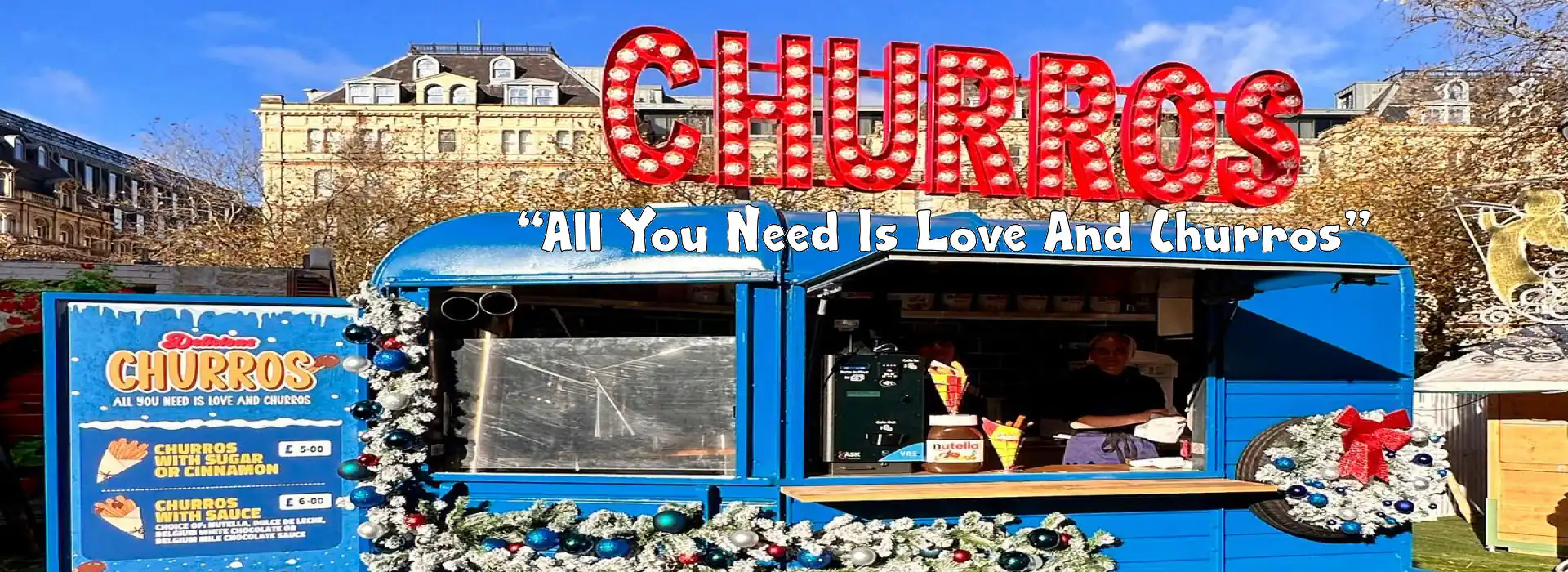
Today, churros carts are the latest trend, enhancing events with nostalgic flair. Hiring a churros cart elevates any gathering, offering both spectacle and satisfaction. These portable delights bring the festivities to life, delighting guests with authentic treats.
Churros carts offer a unique, customizable experience. From sauces to toppings, guests enjoy creating churro combinations that cater to personal tastes. This interaction leaves a lasting impression, making the event truly memorable.
Businesses see the value in providing churros cart services. They fulfill the demand for engaging and photogenic food experiences. Thus, churros carts continue to rise in popularity, adding a touch of charm and indulgence to any event.
Crafting the Perfect Churro
Creating the ideal churro is an art as much as it is a science. Perfecting the balance of crunch and tenderness takes skill and precision. This delightful snack starts with simple ingredients but requires a careful process to achieve the best results.
The magic of a perfect churro lies in its consistency. The dough must be neither too wet nor too dry. Temperature control during frying is crucial to ensure even cooking and a golden finish.
Mastering this process elevates the humble churro into a gourmet treat. A perfectly made churro is a testament to dedication and culinary craftsmanship.
The Artisanal Technique
Churro-making is a cherished tradition, passed down through generations. Artisans take pride in their skillful techniques, often learned in bustling kitchens or family gatherings. The craftsmanship reflects a deep respect for the snack’s cultural roots.
Patience is key to the artisanal process. The dough is piped into hot oil with care, forming the churro’s iconic shape. The sizzling sound and rising aroma are indicators of a job well done.
Artisanal churros boast a texture and flavor that commercial methods struggle to match. Handcrafted with love, each bite connects us to a legacy of joy and flavor.
Customization and Innovation
Innovation breathes new life into traditional churros. Modern chefs experiment with flavors, from spicy hot chocolate infusions to zesty lime glaze. These imaginative twists expand the churro’s global popularity.
Customization is at the heart of their appeal. Eaters personalize their churro experiences with exotic sauces or unexpected fillings. This diversity transforms churros into a versatile gourmet adventure.
As innovation continues, churros remain relevant and exciting. They adapt to ever-evolving palates, proving that culinary creativity knows no bounds. Experimentation keeps churros fresh, inviting new generations to savor their delicious charm.
Conclusion: The Timeless Appeal of Churros
Churros effortlessly bridge tradition and modernity. Their crispy texture and comforting warmth endure through time. These humble treats continue to delight people around the world.
They capture hearts with their simplicity and charm. Churros remind us that sweet, simple pleasures can create lasting memories.