Nacho lovers, rejoice! We’re about to embark on a culinary journey. A journey that will take the humble nacho to new, gourmet heights.
Nachos are a beloved snack worldwide. Their crunchy, cheesy goodness is hard to resist. But what if we could elevate this classic dish?
Imagine a plate of nachos, loaded with gourmet toppings. Each bite is an explosion of unique flavors and textures. This is the world of gourmet nachos.
In this article, we’ll explore the top 10 gourmet nacho toppings to try. From artisan cheeses to exotic spices, these toppings will transform your nachos into a culinary masterpiece.
Whether you’re a marketing manager seeking fresh content ideas, or a wedding planner looking for a food truck with a wow factor, this list is for you. So, let’s dive in and discover the delicious world of gourmet nacho toppings.
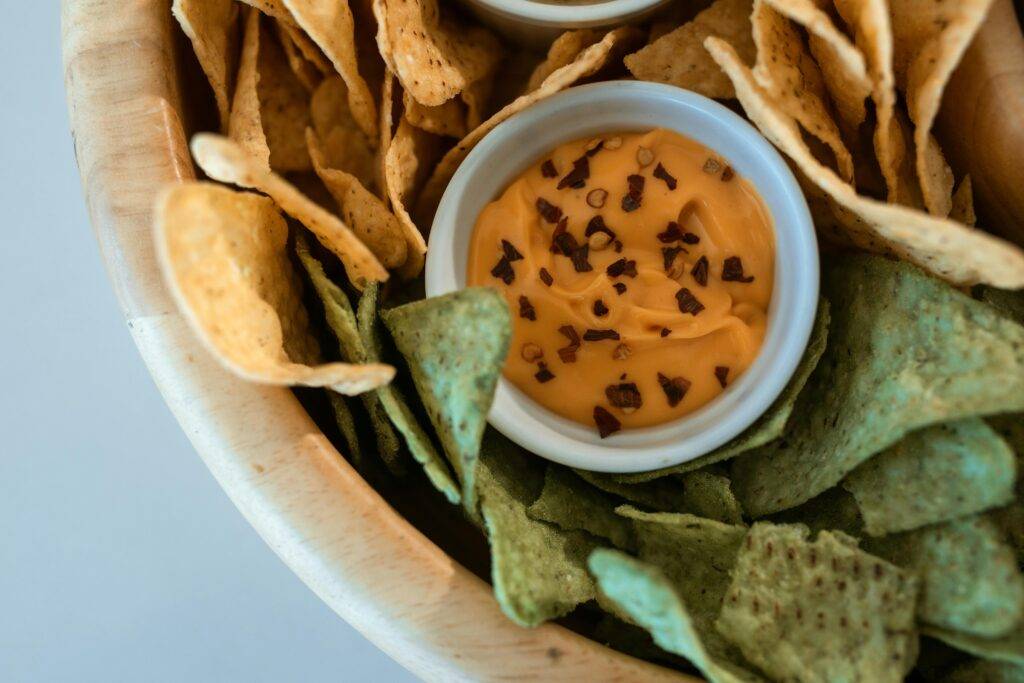
The Nacho Phenomenon: A Brief History
Originating in the 1940s, nachos have humble roots in Mexican cuisine. The story begins with Ignacio “Nacho” Anaya, who invented them as a quick snack. They quickly gained fame for their simplicity and taste.
Over the decades, nachos spread beyond their borders, taking on various forms. From street food to gourmet fare, their popularity skyrocketed. They’ve evolved from a simple cheese-topped tortilla to a canvas for culinary creativity. Today, nachos are celebrated worldwide, embodying a fusion of tradition and innovation.
Why Gourmet Toppings?
Gourmet toppings turn ordinary nachos into a culinary masterpiece. They add depth, character, and flair to this beloved dish. Each topping offers a unique flavor, enhancing the nacho experience for food enthusiasts.
Diverse gourmet toppings cater to varied tastes and dietary needs. Whether you prefer rich cheeses or spicy elements, there’s something for everyone. Such toppings appeal to adventurous eaters, elevating a classic snack to new heights. So, why settle for basic when you can indulge in gourmet delight?
1. Artisan Cheeses: Elevating the Classics
Artisan cheeses bring sophistication to any nacho recipe. They provide a delightful twist to the usual melted cheese. With varied textures and flavors, they transform nachos into a gourmet experience.
Choosing the right cheese elevates the dish. Aged cheddar offers a robust taste, while creamy goat cheese provides tanginess. There’s an artisan cheese for every palate, enhancing the nacho’s flavor profile effortlessly.
Consider these artisan cheese options to top your nachos:
- Aged Cheddar: Rich and bold
- Goat Cheese: Soft with a tangy finish
- Blue Cheese: Crumbly with a sharp bite
- Gruyère: Nutty and creamy
Artisan cheeses don’t just taste good; they look exquisite too. Their varied hues and textures make nachos visually stunning. By incorporating such cheeses, you offer a memorable and indulgent nacho experience.
2. Fresh Herbs and Edible Flowers: A Garden on Your Plate
Infuse your nachos with vibrant freshness using herbs and flowers. These elements don’t just enhance flavor; they add beauty. A sprinkle of green brings a touch of nature to your dish.
Herbs elevate the complexity of gourmet nachos. Cilantro pairs beautifully with spicy toppings. Basil provides sweetness that balances savory ingredients. Fresh herbs ensure each bite bursts with life.
Don’t underestimate the power of edible flowers. They introduce subtle flavors and vivid colors. Try these fresh additions to adorn your nachos:
- Cilantro: Crisp and citrusy
- Basil: Sweet and aromatic
- Chives: Mildly oniony
- Edible Flowers: Delicate and colorful
By integrating herbs and flowers, your nachos gain sophistication and allure. They appeal to those who feast with both eyes and taste buds. This garden-fresh approach creates nachos that surprise and delight every time.

3. Homemade Pickles and Ferments: A Tangy Twist
Adding pickles and ferments can transform your nachos from ordinary to outstanding. They bring a sharp, tangy zing, cutting through rich flavors. This contrast makes each bite lively and unexpected.
Making your own pickles or ferments allows for culinary creativity. Tailor sourness, crunch, and spice levels to suit your palate. Homemade elements offer that personal touch, standing out in any recipe.
Explore a variety of options for tangy toppings. Here are a few ideas to start with:
- Pickled Jalapeños: Spicy and crisp
- Fermented Red Cabbage: Tangy and vibrant
- Pickled Red Onions: Sweetly sour
- Kimchi: Spicy and fermented
These additions aren’t just about flavor—they’re visually appealing, too. A bright pop of pickled red onions or a dash of kimchi draws the eye. Your nachos become a canvas, celebrated for bold tastes and striking looks.
4. Gourmet Meats: Indulgence in Every Bite
Gourmet meats add a layer of decadence that elevates nachos from snack to feast. Quality meats provide rich, robust flavors that are impossible to resist. They turn every bite into an indulgent experience.
Choosing the right meat can define the essence of your dish. Unique options like braised short ribs or duck confit can redefine nachos entirely. These choices speak of luxury and creativity.
Expand your nacho repertoire with these indulgent meat toppings:
- Braised Short Ribs: Tender and savory
- Duck Confit: Rich and flavorful
- Chorizo: Spicy and aromatic
- Pulled Pork: Smoky and succulent
When used thoughtfully, gourmet meats bring sophistication to your nachos. They invite guests to savor slowly and delight in every mouthful. With their depth of flavor, these meats create an unforgettable dish that feels both comforting and gourmet.
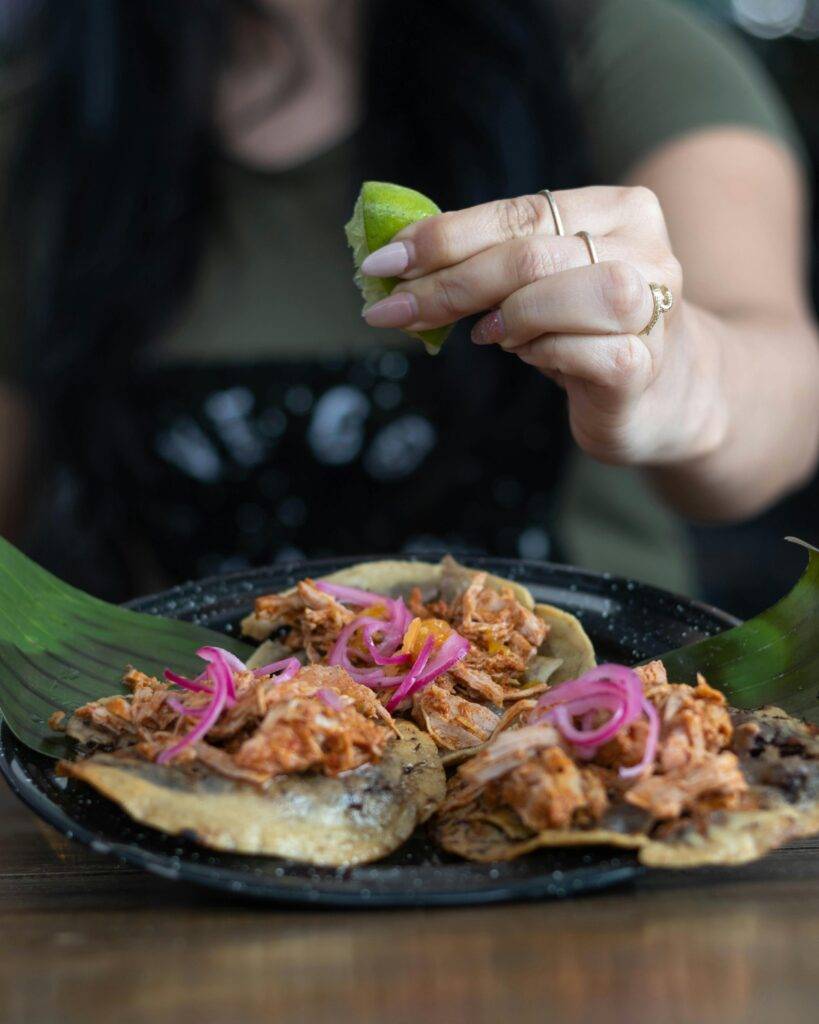
5. Exotic Spices: A World of Flavors
Exotic spices breathe life into ordinary nachos, offering a taste adventure with every bite. They infuse the dish with vibrant aromas and bold tastes. This opens a world of international delights on your plate.
Spices are more than just accents; they transform ingredients into exciting culinary experiences. Consider adding spices to create unique flavor profiles. A sprinkle of curry or a hint of smoked paprika can work wonders.
Incorporating these spices can transport your nachos across the globe:
- Sumac: Tangy and lemony
- Za’atar: Nutty and herbal
- Chipotle: Smoky and spicy
- Cumin: Earthy and warm
These exotic spices not only enhance flavors but also elevate your nacho presentation. They bring a splash of color and complexity, enriching the dish visually and sensorially. This fusion of flavors ensures that your nachos are a celebration of global gastronomy.
6. International Inspirations: Global Gourmet
Global cuisine offers a treasure trove of inspiration for nacho toppings. It invites flavors from different corners of the world. This allows us to delight in the unexpected.
Korean BBQ nachos, for example, bring sweet and savory elements together. They meld spicy gochujang sauce with tender beef. This creates a dish with depth and excitement.
For a Mediterranean twist, consider the following toppings:
- Tzatziki: Creamy and cool
- Feta cheese: Tangy and rich
- Olives: Briny and bold
- Falafel: Crunchy and spiced
These international inspirations make your nachos a culinary journey. They turn a simple snack into an exploration of flavors. By mixing and matching global ingredients, nachos become more than comfort food. They transform into an exciting, borderless feast.
7. Seasonal Specials: Fresh and Festive
Seasonal ingredients can bring your nachos to life with the flavors of the time of year. Incorporating them not only adds freshness but also keeps your offerings dynamic. Each season paints the dish with its palette.
In the spring, think about vibrant vegetables and light cheeses. Embrace ingredients like tender asparagus tips and sweet peas. These bring a crisp bite that pairs well with milder, creamy cheeses.
For the fall, consider ingredients that echo the warmth of the season:
- Roasted pumpkin: Earthy and sweet
- Sage butter: Aromatic and rich
- Toasted pecans: Crunchy and nutty
Using seasonal produce reflects a connection to the Earth’s cycles. It also promises the peak freshness and flavor that can only come from fresh, in-season ingredients. Adapting nachos to seasons makes this beloved dish exciting year-round.

8. The Sweet Side: Dessert Nachos
Who says nachos have to be savory? Dessert nachos are a delightful surprise that satisfies any sweet tooth. They transform a classic into an unexpected indulgence.
Think of crispy cinnamon-sugar tortilla chips as your sweet base. These crunchy treats are perfect for piling on vibrant toppings. This dessert option opens a world of flavor possibilities.
Invite creativity with ingredients like:
- Fresh berries: Juicy and colorful
- Melted chocolate: Rich and indulgent
- Whipped cream: Light and creamy
The contrast of textures—from crisp to creamy—and the harmony of flavors—from tangy to sweet—create a dessert experience unlike any other. Dessert nachos could be your next party hit, capturing the hearts of guests with flair. This sweet twist adds an unforgettable touch to your nacho offering.
9. Health-Conscious Creations: Good for You Gourmet
For those who crave both flavor and health, nachos need not be guilty pleasures. With thoughtful choices, your nacho dish can become a nutrient-packed delight. The key lies in selecting wholesome toppings that don’t compromise taste.
Start by choosing multigrain or whole-grain chips. These options offer fiber and nutrients, adding a healthy twist to your base. They set the stage for an array of health-friendly toppings.
Incorporate nutritious elements that enhance both texture and flavor:
- Avocado slices: Creamy and rich in healthy fats
- Roasted chickpeas: Crunchy and protein-packed
- Fresh salsa: Burst of flavor with fewer calories
By focusing on fresh and nutrient-dense ingredients, you can create nachos that are as good for your body as they are for your taste buds. These guilt-free gourmet nachos are perfect for health-conscious eaters seeking a balanced indulgence. The result is an innovative dish that marries wellness with deliciousness.
10. Signature Sauces: The Perfect Pairing
Every great nacho dish deserves a worthy sauce to round out the flavors. Signature sauces can transform your creation from simple to spectacular. They offer a burst of flavor that ties all components together in harmony.
Think beyond traditional options like cheese sauce or sour cream. Experiment with novel sauces to elevate your nacho experience. Complement the toppings with sauces that add depth and contrast.
Consider incorporating these unique sauces into your nacho repertoire:
- Chipotle aioli: Smoky and creamy with a spicy kick
- Sriracha-infused queso: A fiery twist on classic cheese sauce
- Avocado lime drizzle: Refreshing and creamy with a zesty punch
Signature sauces not only enhance taste but also serve as a canvas for creativity. Whether you’re aiming for bold, spicy, or refreshing flavors, the right sauce is the finishing touch that completes your gourmet nacho masterpiece. With these customizable sauces, your nacho creations will truly stand out.
Building Your Gourmet Nacho Masterpiece
Creating a gourmet nacho masterpiece involves more than just piling on toppings. It’s an art form that requires attention to detail and an understanding of flavor harmony. Start by choosing a high-quality base, such as artisan tortilla chips or even a creative alternative like sweet potato chips.
Begin layering with thoughtful precision. Spread toppings evenly to ensure each bite is a medley of flavors and textures. Balance is essential—combine fresh, crunchy elements with rich, creamy ones. A sprinkle of fresh herbs or a dash of exotic spices can provide the finishing touch, making your nacho creation not only delicious but visually stunning as well.
Nachos in the Wild: Gourmet Nachos at Your Event
Gourmet nachos have become the highlight of events, adding a unique flair to the dining experience. Offering them at gatherings provides a versatile dish that pleases a crowd, from casual parties to elegant affairs.
Food trucks featuring gourmet nachos are gaining popularity at weddings and corporate events. Their customizable nature allows guests to craft their own culinary masterpiece, making the dining experience interactive and fun. Pairing these loaded nachos with craft cocktails or local brews elevates the event, leaving a lasting impression on all attendees.
Conclusion: The Future of Nachos
As the culinary world evolves, so do nachos, transforming into a gourmet sensation. From artisan cheeses to global flavors, they offer endless possibilities. Embracing creativity and quality, the future of nachos is bright. They continue to captivate foodies, event planners, and marketers, promising delectable experiences to come.