Coffee is more than just a beverage in Italy; it’s a culture, a ritual, a way of life. The rich history of coffee in Italy is as deep and complex as the espresso itself. From bustling cafes in Rome to charming espresso food trucks at weddings, coffee’s Italian journey is a captivating tale of tradition and innovation.
The Beginnings of Coffee in Italy
The story of coffee in Italy begins in the 16th century. Venice, a vibrant hub of trade, was among the first European cities to embrace coffee. As traders brought this exotic drink from the Ottoman Empire, Venetians were curious about the mysterious dark beverage. Initially, coffee was sold in pharmacies and considered a luxury item accessible only to the wealthy.
As coffee’s popularity grew, so did the number of coffeehouses. By the 17th century, these establishments became social centers, much like today’s cafes. Intellectuals, artists, and merchants gathered to discuss politics, art, and philosophy over a cup of this newfound elixir.
Espresso: The Heartbeat of Italian Coffee Culture
The invention of espresso in the late 19th century marked a significant evolution in Italy’s coffee history. Unlike its predecessors, espresso offered a quicker, more intense coffee experience. The first espresso machines were large, steam-driven contraptions, introducing a new way to enjoy coffee in a compact, concentrated form.
Espresso quickly became the heartbeat of Italian coffee culture. Its preparation and consumption are steeped in tradition, with every step a dance of precision and passion. Italians savor their espresso, standing at a bar, engaging in animated conversations, or taking a quiet moment for themselves.
The Espresso Ritual
Espresso in Italy is not merely a drink but a ritual. The process of ordering and consuming espresso is as significant as the coffee itself. Italians often start their day with a shot of espresso, and it’s common to see locals frequent their favorite cafes throughout the day for a quick caffeine fix.
The espresso ritual is simple yet profound. Italians appreciate the craftsmanship involved in making the perfect shot. The rich crema atop the espresso is a sign of its quality, and the first sip is always a moment of pure delight.
The Rise of Coffee Bars and Cafes
Coffee bars and cafes are integral to Italian culture, offering more than just a place to grab a coffee. They are community gathering spots where people connect, unwind, and engage in lively conversation. Italian cafes have maintained their charm and authenticity, resisting the homogenization seen in other parts of the world.
From the grandiose Caffè Florian in Venice, one of the oldest cafes in the world, to the quaint neighborhood espresso bar, each establishment carries its own unique character and legacy. These spaces have witnessed countless stories unfold, from business meetings to romantic encounters.
Coffee’s Modern Evolution: Espresso Food Trucks
As coffee culture continues to evolve, Italy has embraced modern innovations while honoring its rich traditions. One such innovation is the espresso food truck, a delightful fusion of old and new. These mobile cafes bring the beloved espresso experience to various settings, including weddings and events, offering a unique twist on traditional catering.
Imagine the surprise and delight of guests as they encounter an espresso food truck at a wedding, serving freshly brewed coffee with flair. This modern take on Italian coffee culture provides a memorable experience, blending the charm of a classic Italian espresso with the excitement of a food truck.
Coffee and Italian Cuisine: A Perfect Pairing
Coffee is deeply intertwined with Italian cuisine, offering delightful pairings with various dishes. A classic Italian breakfast often includes a cappuccino and a sweet pastry, like a cornetto. The creamy, frothy cappuccino complements the flaky, buttery pastry, creating a harmonious start to the day.
In the afternoon, Italians might enjoy an espresso with a piece of dark chocolate or a biscotti, enhancing the flavors of both the coffee and the treat. The bitterness of the espresso balances the sweetness of the dessert, creating a satisfying contrast.
Coffee-Inspired Desserts
Italy’s love affair with coffee extends to its desserts, with iconic treats like tiramisu taking center stage. This creamy, coffee-flavored dessert is a testament to Italy’s culinary creativity, combining layers of coffee-soaked ladyfingers with mascarpone cheese and cocoa powder. Tiramisu is a beloved indulgence that captures the essence of Italian coffee culture in every bite.
The Global Influence of Italian Coffee
Italian coffee culture has left an indelible mark on the world. The espresso, cappuccino, and macchiato are enjoyed globally, each carrying a piece of Italy’s rich history and tradition. Italian coffee brands, like Lavazza and Illy, are synonymous with quality and excellence, continuing to spread the love of Italian coffee far and wide.
As the world embraces specialty coffee and innovative brewing methods, Italy remains a beacon of tradition, offering timeless coffee experiences that capture the heart and soul of its culture.
Conclusion: A Timeless Love Affair
The history of coffee in Italy is a testament to the country’s passion for excellence and tradition. From the first Venetian coffeehouses to the modern espresso food trucks, Italy’s coffee journey is one of innovation, community, and love.
As you sip your next espresso, take a moment to appreciate the rich tapestry of history, culture, and craftsmanship that has brought this delightful beverage to your cup. Whether you’re standing at a bustling cafe in Rome or enjoying a coffee at a wedding with an espresso food truck, you’re part of a timeless love affair that continues to inspire and captivate.
In the end, coffee in Italy is more than just a drink; it’s a way of life, a celebration of the simple pleasures, and a reminder of the rich cultural heritage that unites us all.“`
Street food is a window into the soul of a culture. It’s a culinary adventure that takes you on a journey through the heart of a city’s traditions and tastes, including some of the most Bizarre Street Foods you’ll ever encounter.
But what if that journey led you to the unexpected? To the bizarre and the unusual?
Welcome to the world of bizarre street foods. A realm where the ordinary is replaced with the extraordinary, and the familiar gives way to the strange.
From fertilized duck eggs in the Philippines to fermented shark in Iceland, these foods challenge our perceptions of what’s edible. They push the boundaries of our taste buds, daring us to step out of our comfort zones.
But why do we find these weird street foods so captivating? Is it the thrill of the unknown? The allure of the exotic? Or perhaps it’s the sheer audacity of these culinary creations that draws us in.
In this article, we’ll explore 10 of the most bizarre street foods from around the world. We’ll delve into their origins, their preparation, and the cultural significance they hold.
So buckle up, food adventurers. It’s time to embark on a gastronomic journey like no other. One that will challenge, surprise, and perhaps even delight your palate in ways you never thought possible.
The Global Craze for Unusual Eats
In recent years, the world has seen a growing fascination with unusual eats. People everywhere are eager to explore the unknown flavors that unconventional foods offer. Social media has played a crucial role in spreading this trend, making bizarre foods a global sensation.
From bustling street markets to trendy food trucks, adventurous eaters are in search of unique experiences. This culinary daring is not just about sampling exotic dishes; it’s a quest for stories. Each bite tells a tale, revealing cultural traditions and customs that are foreign yet intriguing.
Television shows and food bloggers have fueled this craze, turning bizarre street foods into must-try delicacies. By portraying eating as an adventurous journey, they inspire travelers and locals alike to push culinary boundaries. As a result, the hunger for the strange and unfamiliar only continues to grow, creating a world where the unusual becomes celebrated and sought after.
Why Bizarre Foods Captivate Us
The allure of bizarre foods lies in their novelty and surprise factor. They challenge our taste buds and evoke strong reactions, whether delight or disbelief. These unusual eats offer a break from the mundane, sparking curiosity and conversation.
Cultural intrigue also plays a part in their appeal. Trying bizarre street foods introduces us to new cultures and traditions, fostering understanding and connection. It’s a form of culinary tourism, allowing us to travel without leaving home.
Lastly, the thrill of the unknown makes these foods irresistible. There’s an element of risk and excitement in daring to taste something unexpected. For food adventurers, this challenge becomes a badge of honor, a testament to their fearless palate and open-mindedness.
1. Balut – Philippines’ Fertilized Delight
Balut is a staple in the Philippines, known for its distinctiveness and cultural significance. It consists of a developing duck embryo, boiled and eaten from the shell. The idea might seem off-putting, but it’s celebrated for its rich flavors and textures.
Vendors sell balut at night, often accompanied by stories of its aphrodisiac properties. The experience involves cracking the shell and sipping the savory broth first. Then, diners eat the yolk and embryo, embracing the thrill of eating the unfamiliar.
For many Filipinos, balut is comfort food with a history. It is a beloved snack at gatherings and street corners alike. Tourists and locals share in the audacious tradition, making balut a popular dare for those seeking culinary adventure.
Hákarl is not for the faint-hearted. This Icelandic delicacy involves Greenland shark, fermented and cured for months. Its preparation transforms toxic flesh into an edible, if not extreme, treat.
The aroma of hákarl is infamous, often described as ammonia-rich and pungent. It’s common to find it during Icelandic midwinter festivals. Locals savor it alongside shots of strong local schnapps called Brennivín to cut through the intensity.
Sampling hákarl is a rite of passage for culinary thrill-seekers visiting Iceland. Those who brave its scent often describe the taste as pleasantly fishy with a tangy aftertaste. For many, trying hákarl embodies a cultural experience that connects them to Icelandic tradition and resilience.
Casu Marzu takes cheese to a daring level. This Sardinian delicacy is made by introducing cheese fly larvae into pecorino. The larvae accelerate fermentation, breaking down fats into a soft, creamy texture.
Though illegal in the European Union, this cheese draws adventurous souls eager for its authentic taste. When eaten, the live larvae may wriggle, a sensation that adds to the unique experience. Locals believe consuming Casu Marzu offers a deep connection to Sardinian heritage.
The taste profile of Casu Marzu is strong and pungent, with an intense flavor that lingers. It’s often paired with a hearty slice of rustic bread, which balances its creamy character. For those brave enough to try, Casu Marzu offers an unforgettable taste adventure rooted in tradition and boldness.
In the bustling streets of Cambodia, fried tarantulas are a sought-after snack. Once feared, these eight-legged creatures have become a culinary staple. They are usually sold by the handful in local markets.
Preparation is simple yet transformative. The tarantulas are seasoned with salt and sugar, then deep-fried to a crispy finish. This cooking method creates a savory snack, crunchy on the outside with a soft interior.
The taste surprises most first-timers with its mix of earthy flavors and a hint of saltiness. The legs offer a crispy bite, while the body provides a more complex, rich texture. Fried tarantulas reflect Cambodia’s resilience, turning necessity into culinary ingenuity, a testament to the nation’s adaptive spirit.
Surströmming is a food that divides opinions, notorious for its strong, pungent odor. This Swedish specialty is made from Baltic herring, fermented for months until it reaches its distinctive aroma. It’s often referred to as one of the smelliest foods in the world.
Opening a can of surströmming is an experience in itself. Many suggest doing it outdoors, owing to the powerful scent that can linger. Despite its smell, it’s a favorite among locals, typically enjoyed with thin flatbread, boiled potatoes, and a bit of dill.
The bold taste is briny and slightly sour, creating a complex flavor profile that daring foodies might appreciate. It’s a reminder of traditional preservation methods and a cultural icon in Sweden. Though it may challenge your senses, for many, it’s an unforgettable taste of Swedish heritage.
Century eggs, also known as hundred-year eggs, are a Chinese delicacy known for their striking appearance and unique flavor. These eggs are preserved in a mixture of clay, ash, and quicklime for several weeks to months. This process transforms the white into a dark, gelatinous substance and the yolk into a creamy, greenish center.
To the uninitiated, their appearance can be startling. The translucent amber “white” contrasts sharply with the dark yolk, offering a visual feast. But it’s the taste that truly sets century eggs apart. They’re intensely savory, with notes of sulfur and ammonia, and a smooth, creamy texture that lingers on the palate.
Often served as a savory starter or alongside pickled ginger, they are a testament to China’s culinary history of preservation. Century eggs invite diners to experience flavors well outside typical Western norms, providing a bold foray into the depths of umami-rich tastes. This dish challenges perceptions and offers a taste adventure, embodying centuries of traditional Chinese cuisine in each bite.
In the remote regions of Alaska, one dish boldly stands out in the culinary landscape: stinkheads. This unique delicacy consists of salmon heads that undergo a natural fermentation process. They’re traditionally buried in the ground, allowing them to decompose and develop a strong, distinct aroma over weeks.
Stinkheads are a significant part of the cultural heritage of Alaska Native communities. They symbolize the resourcefulness required in a challenging environment, showcasing a method to preserve food in its simplest form. The pungent aroma, often likened to strong cheese or fish, might be daunting to some. However, to those familiar, it’s a cherished smell of tradition and sustenance.
For those bold enough to try stinkheads, the flavor experience can be quite rewarding. The texture is creamy, with a tang that surprises the palate. Eating stinkheads invites culinary thrill-seekers to delve into the deep connections between food and cultural resilience. It’s a taste of history that echoes the spirit of survival and adaptation.
Nestled within Mexico’s vibrant culinary tapestry lies escamoles, known endearingly as “insect caviar.” These are ant larvae harvested from the roots of agave or tequila plants. Far from a modern innovation, escamoles have been a delicacy dating back to the time of the Aztecs. Their historical importance and unique taste keep them a sought-after treat even today.
Escamoles are prized for their subtle, nutty flavor and creamy texture. Often sautéed with butter, garlic, or herbs, they offer a distinct culinary experience. In upscale Mexican restaurants, you might find them served with guacamole or in tortillas. The rich taste of escamoles balances the adventurous undertaking they represent, appealing to those who crave new gastronomic experiences.
Considered a luxury ingredient, escamoles command a high price, akin to beluga caviar. Trying them can be a rite of passage for food enthusiasts eager to venture beyond the usual. By indulging, you partake in a tradition that showcases Mexico’s innovative use of its natural bounty. It’s an adventure for your taste buds and your culinary curiosity alike.
Fugu, the infamous Japanese pufferfish, is both a culinary thrill and a testament to meticulous skill. This dish is renowned for the lethal toxins it harbors, toxins that can be deadly if improperly prepared. Only specially licensed chefs, who undergo years of rigorous training, are allowed to prepare fugu. Their expertise ensures that each serving is as safe as it is tantalizing.
The allure of fugu lies in its delicate, almost ethereal taste, a reward for those who dare to take the plunge. Whether served sashimi-style, with thin, translucent slices arranged beautifully on a plate, or as part of a hotpot, fugu offers a unique experience. The risk involved adds an element of excitement to the meal, drawing thrill-seekers from all corners of the globe.
In Japan, fugu is also a cultural symbol, representing the harmony between daring and discipline. The willingness to try fugu showcases an adventurous spirit and respect for Japanese culinary heritage. It embodies a perfect blend of tradition and boldness, making it a must-try for intrepid gourmets everywhere.
10. Sannakji – South Korea’s Wriggling Octopus
Sannakji is a South Korean dish that tests both bravery and dexterity. It features live octopus, chopped and seasoned, with its tentacles still squirming on the plate. This movement is not just a testament to freshness but also a challenge to diners.
Eaters must be cautious with sannakji due to the suctions on the tentacles, which cling to any surface they touch. This makes it an exhilarating experience, as even a small piece can get spirited away while on the chopsticks. It’s crucial to chew thoroughly, savoring each bite’s faint oceanic taste mixed with sesame oil.
This dish isn’t just about consuming seafood; it’s an embodiment of spontaneity and vitality. For many, experiencing sannakji is a rite of passage, a way to engage directly with the raw vibrancy of the sea. Adventurers often leave with tales of their daring exploits, making sannakji a cultural bridge and a personal conquest.
Food trucks have become culinary pioneers, introducing bizarre street foods to curious palates everywhere. Their mobility allows them to bring exotic flavors directly to adventurous eaters. From bustling urban centers to serene parks, food trucks are spreading the thrill of the strange.
Equipped with compact yet efficient kitchens, these trucks can prepare unconventional dishes on the go. This setup enables them to serve up delicacies like fried tarantulas or balut with speed and flair. The captivating allure of tasting these oddities draws long lines and eager tasters.
Moreover, food trucks are platforms for cultural exchange, offering an international mosaic of tastes in one place. By presenting bizarre street foods with stories of origin and preparation, they transform meals into experiences. This approach doesn’t just satisfy hunger—it connects people through shared culinary adventures.
Safety First: Enjoying Bizarre Foods Responsibly
Enjoying bizarre street foods comes with its own set of challenges. Always prioritize safety when diving into culinary adventures. Ensure the food is from reputable vendors who adhere to proper hygiene standards to prevent health issues.
Understand the ingredients thoroughly before indulging. This is crucial, especially for those with allergies or dietary restrictions. Transparency and proper labeling from vendors can make all the difference in a safe dining experience.
Education is key when trying unfamiliar foods. Research how dishes are traditionally prepared and served. This knowledge not only enhances the experience but also safeguards against any potential mishaps. By being informed and cautious, you can fully embrace the excitement of tasting the world’s weird street foods without worry.
Conclusion: The Thrill of Culinary Adventure
Exploring bizarre street foods offers more than just a meal—it’s a journey. It connects us with different cultures in unexpected, memorable ways. Each bite tells a story of tradition, innovation, and local passion.
Burgers, the quintessential American culinary icon, have been satisfying appetites and igniting taste buds for decades. On this joyous occasion of National Burger Day, we celebrate not just the delectable combination of a juicy patty and a soft bun but also the cultural significance and the evolution of this beloved dish. From its humble origins to its modern gourmet avatars, the burger has transcended its fast-food roots to become a global sensation, winning hearts and stomachs worldwide.
The Roots of the Burger:
The history of the burger is as rich as its flavors. Tracing its origins back to the 19th century, the burger’s first iteration was served between two slices of bread to American sailors as a convenient and easily transportable meal. However, it was the 20th century that witnessed the burger’s meteoric rise to fame, with the opening of the first fast-food joints. As iconic brands like McDonald’s and Burger King popularized the concept of the drive-through, the burger swiftly became emblematic of American culture, earning a special place in the hearts of people of all ages.
Beyond Fast Food: The Gourmet Revolution:
While the fast-food chains continue to reign supreme, the culinary world has witnessed a revolution in the perception of the burger. Chefs and food enthusiasts have reimagined this classic dish, infusing it with gourmet ingredients, innovative toppings, and artisanal buns. From mouthwatering Wagyu beef patties to vegetarian and vegan alternatives made with plant-based proteins, the modern burger landscape offers something for every palate, catering to the diverse tastes of a global audience.
The Health Conscious Shift:
In recent years, there has been a noticeable shift toward healthier and more sustainable alternatives in the burger industry. With a heightened awareness of dietary preferences and environmental concerns, many establishments have started offering organic, grass-fed, and ethically sourced meat options. Moreover, the rise of plant-based patties has provided a guilt-free indulgence for those seeking a more environmentally friendly and healthier alternative, without compromising on taste and texture.
The Social Phenomenon:
National Burger Day is not just about the food; it’s also a celebration of the communities and cultures that have embraced this culinary wonder. It serves as a reminder of the communal experience of enjoying a burger, whether at a backyard barbecue, a bustling food festival, or a cozy diner. The burger has the unique ability to bring people together, transcending social and cultural barriers, fostering a sense of shared enjoyment and camaraderie.
As we commemorate National Burger Day, let’s take a moment to appreciate the journey of this culinary delight. From its modest beginnings to its current status as a global gastronomic sensation, the burger continues to evolve, adapt, and inspire. It is a testament to the power of food in shaping our cultural experiences and connecting us in ways that go beyond mere sustenance. So, whether you prefer the classic cheeseburger or the avant-garde gourmet creation, this day is a tribute to the legacy of the burger and its enduring place in our collective culinary consciousness. Cheers to the burger, a timeless classic that never fails to delight our taste buds and bring smiles to our faces!
Coffee and dessert: a match made in culinary heaven. This pairing is a delightful way to end a meal, or simply to indulge in a moment of sweet pleasure.
But did you know that the right coffee can elevate your dessert experience to new heights? It’s all about finding the perfect balance of flavors.
In this guide, we’ll explore the art of coffee and dessert pairings. We’ll delve into the nuances of coffee flavors, from light to dark roasts, and how they can complement or contrast with different desserts.
Whether you’re a coffee enthusiast, a dessert lover, or a professional in the food and beverage industry, this guide is designed to inspire and educate. It’s about enhancing your appreciation for these pairings and sparking your creativity.
So, are you ready to embark on this flavorful journey? Let’s dive into the world of coffee and dessert pairings that work wonders.
The Art of Coffee and Dessert Pairing
Coffee and dessert pairing is an art form that enhances culinary experiences. It’s about creating harmony on the palate. When done right, it can transform an ordinary treat into a memorable indulgence.
The key to successful pairings lies in matching flavor profiles. Think of it as a dance, where each partner brings out the best in the other. Every coffee has unique taste notes—floral, fruity, nutty—that interact with dessert flavors in fascinating ways.
Roast levels also play a significant role in pairing. A light roast with citrus notes dances beautifully with a tangy lemon tart. Meanwhile, a dark roast with deep, bold flavors complements a rich, chocolate lava cake exquisitely.
But it’s not only about taste. Texture, aroma, and mouthfeel also matter. Consider how a creamy cheesecake might benefit from the crisp, refreshing bite of a well-brewed espresso. It’s these thoughtful combinations that turn each bite and sip into a journey of delight.
Understanding Coffee Flavors and Roasts
Coffee roasts range from light and fruity to dark and smoky. Each roast level offers unique experiences. Understanding these helps craft perfect pairings with desserts that highlight subtle taste differences.
Light roasts retain more of the coffee bean’s original flavor. They often feature bright, acidic notes. This makes them great for pairing with delicate desserts. These coffees add a lively complement to sweet treats.
Medium roast coffee sits between extremes, balancing acidity with a richer body. These coffees offer versatility in pairings. They work well with a wide variety of desserts, from buttery pastries to nutty delights.
Dark roasts bring out bold, intense flavors. You’ll notice smoky or chocolatey tones. Such depth pairs beautifully with desserts boasting strong flavors, like decadent fudges or caramels. By experimenting with different roasts, you can create memorable dining experiences. Exploring coffee’s diverse flavors can elevate both the coffee and the dessert.
Light Roast Pairings
Light roast coffees are known for their bright acidity. They often have floral and fruity undertones. When paired with desserts, they create a refreshing contrast.
Consider pairing a citrus-forward light roast with a lemon meringue pie. The light roast’s zest enhances the tart pie, making each bite pop. Alternatively, try it with a delicate sponge cake. The result is a match that’s both subtle and pleasing to the palate.
Medium Roast Pairings
Medium roasts offer balance and versatility. They provide a spectrum of flavors, from light fruit to nuts. These qualities make them ideal for a variety of desserts.
Try a medium roast with a buttery croissant. Its nuttiness complements the pastry’s rich layers. Or, pair it with a spiced apple pie. The coffee’s body enriches the pie’s warmth, creating a comforting combination. Medium roasts’ adaptability shines here, matching with different dessert profiles with ease.
Dark Roast Pairings
Dark roasts are bold, often with chocolate and caramel notes. They pair perfectly with intense, rich desserts. The combination is a feast for the senses.
A dark roast coffee enhances the depth of a chocolate lava cake. The harmony between their flavors creates a blissful experience. For something less sweet, try a dark roast with a caramel flan. The coffee’s smokiness adds depth, complementing the dessert’s creamy texture, resulting in a satisfying indulgence.
Seasonal Coffee and Dessert Pairings
Seasons influence both coffee flavor and dessert options. As the year unfolds, embrace new pairings to match the season’s bounty. In spring, floral coffees shine. Pair a jasmine-infused coffee with a light berry tart for a refreshing taste of renewal.
Summer brings bright, vibrant days and calls for chilled treats. Iced coffee complements cool lemon sorbet, enhancing its citrus zest. The synergy of cold and tangy flavors offers a perfect respite from the heat.
Autumn rolls in with rich, cozy notes. A pumpkin-spice latte pairs wonderfully with a spiced pecan pie. These pairings evoke comfort and warm evenings by the fire. As winter sets in, embrace decadence. Pair a hearty, nutty coffee with a rich, gingerbread cake, creating a festive and robust combination. Seasonal pairings celebrate what nature offers, allowing coffee and desserts to reflect the environment’s unique flavors.
Global Inspirations: Coffee and Dessert from Around the World
Travel through taste with global coffee and dessert pairings. Each culture brings its own flair. In Italy, indulge in the harmonious blend of rich espresso with a creamy tiramisu. This combination celebrates bold coffee balancing sweet mascarpone, creating an exquisite experience.
In France, café au lait teams up with a delicate éclair. The smooth coffee mingles with the light pastry, filled with creamy custard. It’s a classic encounter of elegance and simplicity, highlighting rich and subtle tastes together.
Journey to the Middle East, where spiced Arabic coffee meets baklava’s nutty sweetness. The aromatic coffee balances the dessert’s honeyed layers, offering a fragrant and enticing pairing. These international pairings not only satisfy the palate but also give you a window into the culinary traditions of distant lands. So, explore the world one coffee and dessert pairing at a time, and enjoy a little taste of everywhere.
Coffee Desserts: Infusing Flavors in Every Bite
Coffee-infused desserts offer a delightful twist. They blend the aromatic world of coffee with sweet creations. Imagine a velvety coffee-flavored ice cream on a summer day, where each spoonful bursts with rich, roasted notes.
Consider the classic tiramisu, a dessert where coffee soaks into layers of sponge cake. The caffeine kick adds depth and sophistication. It’s a confection that celebrates the harmony between bitter and sweet, creating a memorable taste sensation.
Experimenting with coffee-infused brownies can yield delightful surprises. The chocolate’s intensity pairs beautifully with a hint of espresso. This combination elevates the humble brownie into a gourmet treat with a deeper, more complex flavor profile. Embrace these innovations, allowing coffee’s versatility to shine through in your dessert creations. These desserts not only satisfy cravings but also introduce the palette to dynamic and robust tastes. They’re perfect for those who love the aromatic allure of coffee in new and exciting forms.
The Role of Acidity, Sweetness, and Texture
Acidity in coffee adds a vibrant touch to dessert pairings. It lifts and enhances the flavors. Citrus-infused desserts complement acidic coffees, creating a refreshing experience that tantalizes the taste buds.
Sweetness is the counterbalance to coffee’s inherent bitterness. When pairing desserts, consider the sugar level carefully. A well-chosen dessert can transform the coffee’s bitterness into a pleasant harmony, making each bite and sip more enjoyable.
Texture plays a crucial role in coffee and dessert pairings. A creamy dessert, like panna cotta, pairs beautifully with a smooth, full-bodied coffee. The uniform texture creates a luscious mouthfeel, enhancing the overall sensory experience. By thoughtfully combining these elements, you can elevate the pairing, turning it into an indulgent journey of flavors and sensations. This is where the art of balance and contrast truly shines, delighting the senses with every encounter.
Unique Coffee and Dessert Pairings for Events
Crafting unforgettable coffee and dessert pairings can set your event apart. Consider a rich espresso with a salted caramel tart. This combination marries the bitterness of the coffee with the sweet-salty dessert for a gourmet experience.
For a refreshing twist, pair a zesty lemon tart with a delicate Ethiopian coffee. The coffee’s floral and fruity notes complement the tart’s bright citrus flavor, invigorating the palate with every bite and sip. It’s an unexpected yet delightful combination that leaves guests pleasantly surprised.
Innovate with textures by offering creamy tiramisu alongside a robust dark roast coffee. The dessert’s layers of creaminess align with the coffee’s full body, creating a sumptuous pairing. Such thoughtful selections not only tantalize taste buds but also provide memorable moments, making your event stand out. Whether formal or casual, these pairings can wow guests, leaving a lasting impression of flair and sophistication.
The food truck business is a vibrant and dynamic industry. It’s a world where creativity meets culinary skills on four wheels.
In this bustling market, a unique and appealing menu can set you apart. It’s not just about the food, but the experience you offer.
We’ve curated a list of top food truck menu ideas to try. These ideas are inspired by successful street food trucks and emerging trends.
Whether you’re an established food truck owner or an aspiring entrepreneur, these ideas can spark your imagination. They can help you create a menu that resonates with your customers and stands out in the crowd.
Remember, the key to success is not just what’s on your menu, but how you present it. Let your food truck tell a story that your customers will love to share.
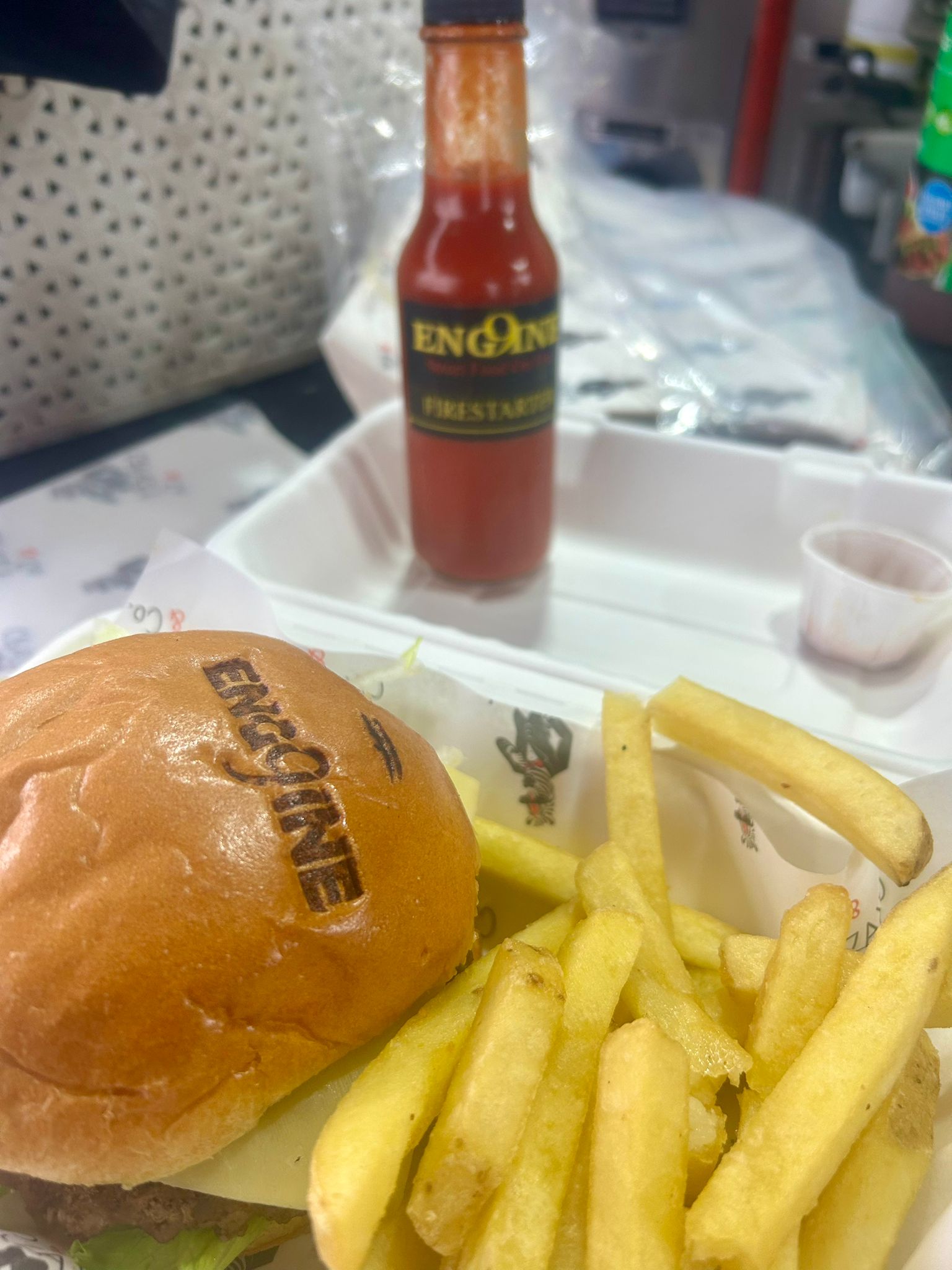
ENG9INE The Fire Truck Food Truck
Understanding the Food Truck Business Landscape
The food truck industry is not just about serving food; it’s about creating a mobile culinary experience. As the industry evolves, it’s crucial to stay informed about the latest trends and customer preferences.
Food truck owners face unique challenges, such as navigating local regulations and finding optimal locations. Understanding your market is essential for crafting a menu that appeals to your target audience. By embracing the street food culture, you can identify the unique needs and tastes of the communities you serve, making your food truck a local favorite.
The Role of Creativity in Your Food Truck Menu
Creativity is the heart of a successful food truck business. With numerous trucks offering similar options, a creative menu helps you stand out. Creativity can turn ordinary ingredients into extraordinary dishes, enticing customers to try something new.
A quirky food truck should offer unique dishes that draw attention and curiosity. When customers see something they’ve never tasted before, they’re more likely to share their experience on social media. This not only brings in new patrons but also builds your truck’s reputation as a must-try destination.
Local Flavors and Ingredients: A Key to Success
Utilizing local flavors and ingredients can connect your food truck to the community. Fresh, locally-sourced ingredients not only taste better but also support local farmers. This creates a mutually beneficial relationship between your food truck and the community.
Incorporating regional flavors makes your menu more relatable. Customers appreciate dishes that reflect local culture and traditions. By celebrating local tastes, you not only attract tourists eager to experience authenticity, but also win the loyalty of local patrons. This strategy can significantly enhance your food truck’s appeal in a competitive market.
Fusion Cuisine: Blending Culinary Traditions
Fusion cuisine is gaining traction in the food truck scene. It offers a delightful mix of different culinary traditions. This approach allows you to create unique flavors that intrigue customers and sets your food truck apart. Combining Japanese flavors with Mexican favorites, or Italian elements with Asian dishes, can result in innovative creations that captivate taste buds.
This blend of cultures encourages culinary experimentation. It satisfies adventurous eaters seeking something new and exciting. By merging culinary techniques and ingredients from various cultures, you craft a menu that’s not only tasty but also a memorable experience. Fusion dishes generate buzz and attract diverse crowds eager for an extraordinary street food journey.
Gourmet Twists on Comfort Food Classics
Comfort food with a gourmet twist is a crowd favorite in the food truck world. Taking familiar dishes like mac ‘n’ cheese or burgers and elevating them can attract new customers. By adding quality ingredients or unique flavors, you can create a menu that feels both comforting and indulgent.
These elevated dishes tap into nostalgia while offering something fresh. People love revisiting favorites, especially when they’re made with a modern flair. Incorporating artisan cheeses or truffle oils transforms traditional recipes. This way, you provide a sophisticated yet accessible eating experience that keeps people coming back for more.
Healthy Options: Catering to the Health-Conscious Crowd
Healthy food has become a key trend in the street food truck industry. More customers seek options that align with their wellness goals. Offering fresh, nutritious choices can set your food truck apart from the rest.
Consider adding vegan, vegetarian, and gluten-free items to your menu. Using organic produce and lean proteins appeals to health-minded diners. Simple swaps, like whole-grain or low-carb alternatives, can make a big difference. By embracing this trend, your food truck caters to a wider audience and increases customer satisfaction.
Signature Dishes: Creating a Brand Identity
Every quirky food truck needs a standout dish that customers remember. A signature dish is more than just a menu item; it defines your brand. It’s the unique creation that keeps patrons coming back for more.
Creating a signature dish involves experimentation and creativity. Choose something distinctive yet straightforward enough to produce quickly. This dish should encapsulate your food truck’s theme and flavor profile. It becomes a talking point, gaining word-of-mouth buzz and social media attention. A strong signature dish can elevate your food truck business, making it synonymous with excellence and innovation.
Seasonal Menus and Ingredient Availability
Embracing the seasons can breathe life into your food truck menu. By focusing on seasonal ingredients, you not only ensure freshness but also showcase a commitment to quality. This approach can set you apart, drawing in customers eager for new, seasonal tastes.
Planning your menu around ingredient availability can also help in cost management. Seasonal produce is often more affordable and abundant. This can allow you to experiment with creative dishes without breaking the bank. Adapting to each season can keep your offerings vibrant and engaging, enticing regulars and attracting new patrons with every menu change.
Customer Feedback and Menu Refinement
Listening to your customers is vital for menu success. Regular feedback helps refine your offerings, ensuring they meet customer expectations. By implementing suggested changes and trialing new ideas, you can enhance your food truck’s reputation. This practice encourages loyalty and assures customers that their opinions truly matter.
Leveraging Social Media for Menu Promotion
Social media is a powerful tool for promoting your food truck menu. Share vibrant photos and updates about new offerings to engage your audience. Hashtags and interactive posts can generate excitement and attract new customers. Building a strong online presence is crucial for visibility in today’s digital age.
The Importance of Menu Design and Signage
Effective menu design and signage capture attention and enhance customer experience. Clear, attractive visuals guide choices and simplify ordering. Consistent branding through your menu strengthens recognition and trust. A well-organized layout ensures ease of reading, while creative elements make the menu memorable. Attention to design can significantly impact your success.
Conclusion: The Art of the Street Food Truck Menu
Crafting a compelling food truck menu requires creativity and strategy. Balancing flavors, trends, and customer needs drives success. A well-designed menu is an art, reflecting your unique brand identity. By integrating innovation with practicality, your street food truck can thrive in a competitive market.