In the bustling world of event planning, standing out is key. One way to do this is through unique and memorable catering options.
Enter the traditional fish and chips service. A beloved British classic, fish and chips have a timeless appeal that resonates with many.
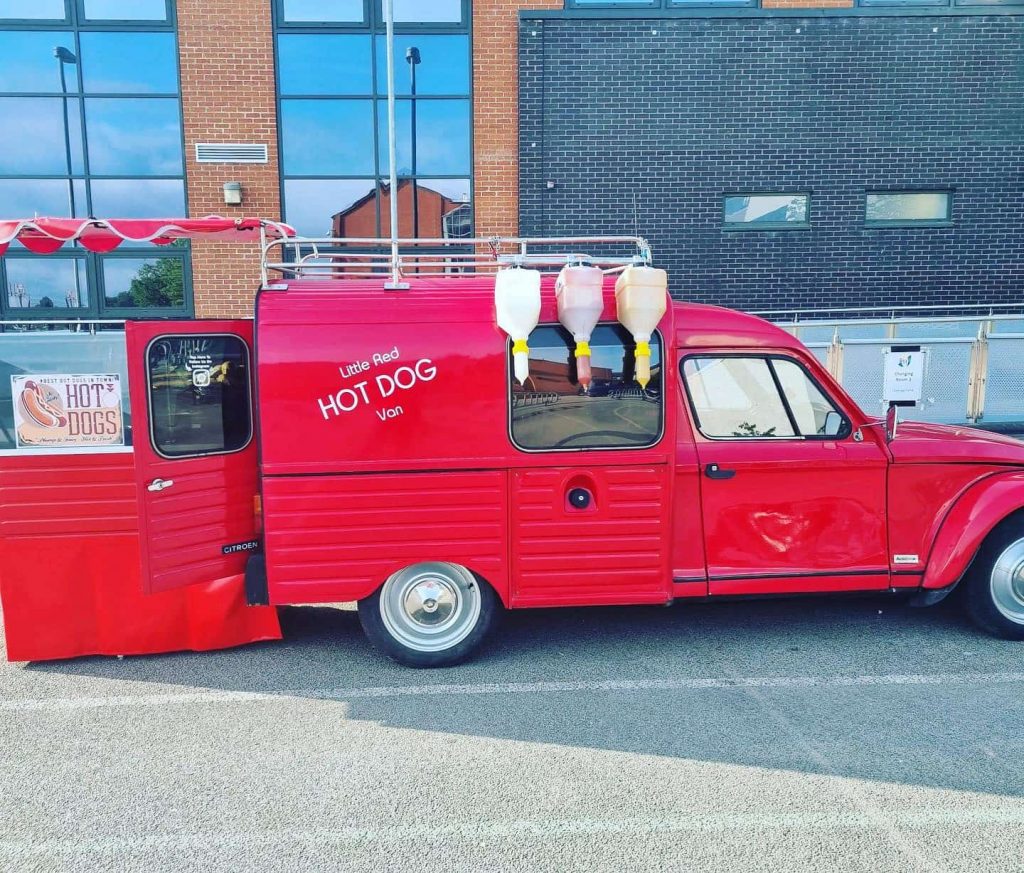
But it’s not just about the food. The charm of a mobile fish and chips van adds a visual element that can enhance your event decor.
Moreover, the convenience and flexibility of street food catering can’t be overlooked. It’s a practical solution that doesn’t compromise on taste or experience.
Hiring a traditional fish and chips service can differentiate your event in a saturated market. It’s a nod to authenticity, a celebration of tradition, and a surefire way to leave a lasting impression.
So, let’s dive into the world of mobile fish and chips catering and explore how it can elevate your next event.
The Timeless Appeal of Traditional Fish and Chips
Fish and chips hold a special place in culinary hearts. This beloved dish has become synonymous with British culture. Its simplicity and deliciousness have made it an enduring favorite.
There’s something magical about the combination of crispy batter and tender fish. Paired with golden chips, it’s truly an iconic duo. This pairing has a universal allure that transcends borders.
For many, enjoying fish and chips brings feelings of nostalgia. It evokes memories of seaside visits and fun family gatherings. These happy associations can enrich any event.
Offering traditional fish and chips at your event taps into this timelessness. It’s not just about serving food; it’s about creating an experience. An experience that’s comforting, familiar, and delightfully satisfying.
Why Authenticity Matters in Event Catering
Authenticity is the heart of memorable event catering. Guests seek genuine flavors that resonate with their experiences. Offering true tastes can elevate an event’s impact.
A traditional dish serves as a cultural storyteller. It connects guests with the history and origin of the cuisine. Authentic food choices invite deeper engagement and appreciation.
In today’s globalized world, authenticity adds a unique touch. It differentiates your event from others with generic offerings. True-to-roots dishes provide a lasting impression.
Hiring a traditional fish and chips service embodies this authenticity. Delivering genuine flavors, it builds trust with your audience. This trust enhances your event’s success.
The Rise of Street Food Catering in Events
Street food has evolved from humble beginnings to a culinary trend. Its rise in events is undeniable and ever-growing. Guests now crave casual and delicious fare.
Street food catering brings excitement to any gathering. It offers an interactive and vibrant dining experience. This trend captivates and delights diverse audiences.
Traditional catering can feel formal and distant. Street food is warm, inviting, and unpretentious. Guests enjoy the lively atmosphere it creates.
Fish and chips exemplifies this revolution. It captures the essence of fun dining. Combining tradition with modern flair, it’s a surefire crowd-pleaser.
Mobile Fish and Chips: Convenience Meets Tradition
Imagine a fish and chips service that comes to you. This is not just convenience; it’s a culinary revolution. We bring tradition to your doorstep.
Mobile fish and chips marry flexibility with heritage. It lets us serve you anytime, anywhere. The charm of this age-old dish is always within reach.
No need for a full kitchen or dining hall. Our mobile setup is compact and efficient. Set up quickly and serve fresh fish with ease.
This service is perfect for any venue. From quiet parks to bustling festivals, we fit right in. We make tradition accessible and exciting.
Stand Out in a Saturated Market with Unique Catering
In today’s crowded market, unique experiences win. Traditional fish and chips provide that edge. They are both familiar and exotic.
Events need something different to captivate guests. A mobile fish and chips service can be that game-changer. It draws crowds with its nostalgic charm.
Guests remember events with engaging elements. Authentic fish and chips offer just that. It’s a conversation starter and a crowd-pleaser.
The allure isn’t just in the taste. It’s in the memorable experience you offer. Standing out has never been tastier or more strategic.
Creating a Sensory Experience with Freshly Cooked Fish and Chips
Imagine the sound of sizzling batter as it hits the hot oil. This is the beginning of a sensory journey that delights guests.
The aroma of freshly cooked fish captivates the senses, drawing people in with irresistible smells. It creates a buzz that’s palpable.
As guests take their first bite, the crispiness of the batter harmonizes with the tender fish inside. It’s a moment of pure culinary delight.
Visually, our setup is just as appealing. The golden fish and vibrant chips create a feast for the eyes. Every element comes together to leave a lasting impression.
The Visual and Social Appeal of a Fish and Chips Van
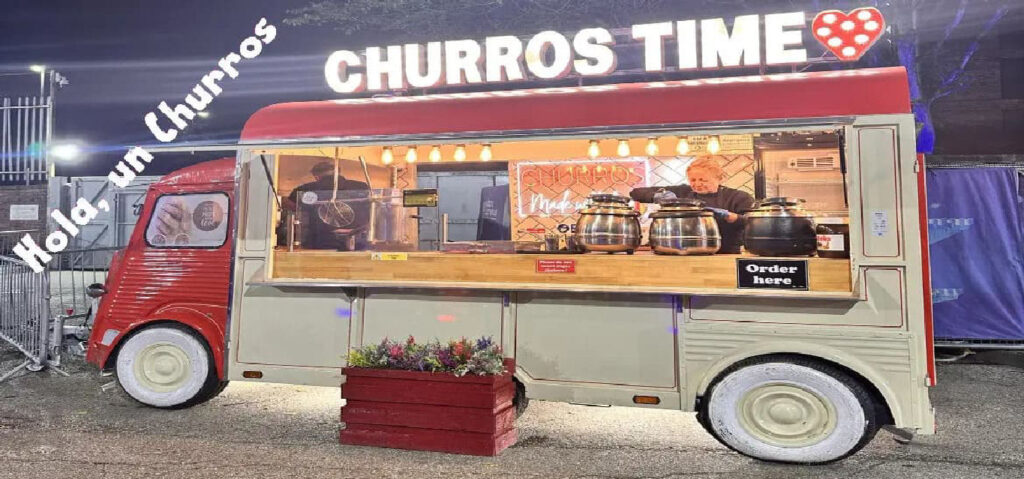
Picture a charming fish and chips van as the centerpiece of your event. It becomes more than just a food source; it becomes a conversation starter.
Decorated with vibrant colors and classic designs, the van adds personality to any venue. It effortlessly blends traditional vibes with modern charm.
People flock to capture moments with this delightful setup, snapping photos to share on social media. In today’s digital age, such social buzz is priceless.
Beyond aesthetics, the van fosters community spirit. Guests gather around, sharing stories and laughs, making the experience both memorable and engaging.
Cost-Effectiveness and Efficiency of Street Food Catering
Street food catering, such as mobile fish and chips, offers an economical solution compared to traditional setups. It allows for affordable menu options without compromising quality.
With quick setup and teardown, mobile catering saves time, translating into cost efficiency. This flexibility is a game-changer for busy event schedules.
Serving from a mobile fish and chips van ensures streamlined operations. Each order is prepared swiftly, keeping lines short and guests content.
Moreover, hiring a street food service can reduce staff costs. With minimal personnel needed, your event remains financially viable while ensuring guests are well-fed.
Eco-Friendly and Health-Conscious Options in Mobile Catering
Today’s events demand sustainability and health awareness. Mobile fish and chips services are adapting to this trend beautifully.
Biodegradable packaging is a standard, lessening environmental impact, which resonates with eco-conscious attendees. It’s a crucial step towards greener events.
Healthier options, such as grilled fish, are offered alongside traditional fried fare. Guests can indulge without guilt, aligning with modern dietary preferences.
Local sourcing of ingredients ensures freshness and supports the community. This not only benefits the environment but also enhances flavor and quality, delighting the taste buds of every guest.
Enhancing Your Event with Traditional British Flair
Incorporating a traditional fish and chips service adds a charming touch to any gathering. It brings the essence of British culture to the forefront.
This catering choice not only satiates taste buds but also creates an engaging atmosphere. Guests enjoy both the food and the nostalgic experience it provides.
New York City is a culinary wonderland. Its streets are a gastronomic playground, teeming with food trucks and carts that serve up a smorgasbord of flavors from around the globe.
This is the world of New York street food. It’s a vibrant, ever-evolving scene that reflects the city’s rich cultural diversity and its unquenchable appetite for new culinary experiences.
From the classic hot dogs and pretzels to gourmet offerings that rival restaurant fare, street food in New York is as varied as the city itself. It’s a melting pot of cuisines, where you can taste the world without leaving the block.
But navigating this bustling food scene can be a daunting task. With so many options, where do you start? How do you find the best street food New York has to offer?
That’s where this guide comes in. We’re taking you on a culinary journey through the streets of New York, exploring the best food trucks and street food hotspots.
Whether you’re a food enthusiast, a tourist, a local looking for new dining experiences, a marketing manager seeking creative content inspiration, or a wedding planner searching for a food truck with a wow factor, this guide is for you.
So, get ready to embark on a delicious adventure as we delve into the world of New York street food.
The Melting Pot of Street Food Culture in NYC
New York City’s street food scene is a celebration of diversity. Each food cart and truck is a testament to the city’s rich tapestry of cultures and flavors. This multicultural environment offers a truly unique culinary experience.
It all began with humble pushcarts. These early vendors laid the foundation for today’s vibrant scene. They served as lifelines for immigrants and locals, providing affordable meals on the bustling streets.
Fast forward to today, and street food in New York has become an integral part of the city’s identity. It’s not just about grabbing a quick bite; it’s about savoring the stories and traditions each vendor carries.
The range of cuisines available on the streets is astonishing. You can find everything from spicy Indian curries to savory Mexican tacos. It’s a global feast, all on a single street corner.
This diversity fuels culinary creativity. Vendors constantly push the envelope, blending flavors and experimenting with bold, new dishes. The result is a street food culture that’s both dynamic and innovative.
Moreover, street food vendors play a vital role in the community. They’re not just serving food but also fostering a sense of belonging. They create places where people from all walks of life can gather and enjoy delicious meals together.
A Culinary Journey Through New York’s Food Streets
Embark on a culinary odyssey unlike any other. The streets of New York are an open-air dining room, brimming with flavors waiting to be discovered. Each borough presents its own distinct offerings, inviting you to explore.
Roaming the streets, you’ll find a delightful blend of authenticity and innovation. Vendors draw inspiration from time-tested recipes, yet aren’t afraid to experiment. This fusion creates a dynamic street food landscape.
Not to be missed are the bustling food streets. These hotspots are where the energy is palpable, filled with aromas that pull you in. Exploring these areas is like taking a journey around the world without leaving the city.
Here’s a glimpse of what you might encounter:
Halal carts: Spicy gyros and fragrant rice dishes served with hot sauce.
Dim sum trucks: Offering steamed buns and dumplings for a taste of Chinatown.
This diversity ensures there’s always something new to try. Whether you’re a local or a visitor, the streets of New York offer an endless culinary adventure. The vibrant atmosphere, combined with the array of flavors, keeps food enthusiasts coming back for more.
Iconic New York Street Eats
When it comes to quintessential street eats, New York never disappoints. The city is famous for snacks that have become legendary. These eats, steeped in tradition, are a must-try for anyone visiting.
The humble hot dog stands out as a classic. Available on nearly every corner, it’s a convenient and satisfying bite. The joy lies in its simplicity, often dressed with sauerkraut and mustard.
Alongside the hot dog, the giant pretzel holds a special place in the city’s heart. Soft, salty, and delicious, it’s a street food staple. Paired with a side of mustard, it’s a quintessential New York snack.
And let’s not forget the spicy kick of the halal gyro. This dish has captured the taste buds of many, melding Middle Eastern spices with New York flair. These iconic foods are not just snacks; they’re part of the city’s cultural fabric.
Gourmet Trucks: The Revolution of Street Dining
Street food has undergone a spectacular transformation. The rise of gourmet food trucks marks a new era of dining. These trucks bring high-quality cuisine to sidewalks, elevating the street food experience.
Once simple and straightforward, street food is now a canvas for culinary creativity. Gourmet trucks focus on premium ingredients, often sourced locally. This emphasis on quality has attracted food lovers from all walks of life.
Many of these trucks have become trendsetters, leading the way with innovative dishes. From truffle-infused mac and cheese to artisanal gelato, the options are extraordinary. The combination of gourmet flair and accessibility has sparked a culinary revolution.
Moreover, these trucks often embrace the latest food trends. They offer health-conscious options, catering to modern dietary preferences. With gourmet trucks at the forefront, street dining continues to evolve, thrilling food enthusiasts with every bite.
The Best Street Food Neighborhoods in New York
New York City’s vibrant street food scene flourishes across its diverse neighborhoods. Each area boasts its unique charm and culinary offerings. Street eats vary, reflecting the multicultural tapestry of the city itself.
In these neighborhoods, street food is more than sustenance; it’s a lifestyle. Exploring them offers a taste of global cuisines nestled within the city’s streets. It’s a sensory journey through the world in miniature form.
Some neighborhoods, in particular, are renowned for their street food treasures. They attract food enthusiasts with their lively atmosphere and eclectic eats. Here’s where you should head for the best street food experiences:
Midtown: Known for its abundance of food trucks serving diverse cuisines.
SoHo: Offers sophisticated street eats with a hint of elegance.
Williamsburg: A haven for hip and innovative food trucks.
Venture into these areas and you’ll find New York’s melting pot of flavors. Each bite tells a story, embodying the spirit of its neighborhood. The lively food streets invite both locals and tourists to savor the diversity.
Midtown’s Mobile Feast
Midtown is a bustling hub where food trucks line the sidewalks. Its fast-paced energy matches the quick service that street vendors provide. Here, you’ll find everything from Korean BBQ tacos to artisanal grilled cheese.
This area is a mobile feast of international offerings. Office workers, tourists, and locals all converge in search of a quick yet satisfying lunch. The accessibility and variety make Midtown a staple in New York’s street food landscape.
SoHo’s Savory Delights
SoHo captivates with its artful blend of chic boutiques and gourmet food trucks. The cobblestone streets are alive with vendors serving elevated street fare. Expect unique dishes that fuse tradition with modern twists.
The atmosphere in SoHo is both trendy and welcoming. Its culinary offerings reflect this, with food truck menus that often change to keep up with the latest food trends. It’s a culinary escapade in one of New York’s most fashionable districts.
Williamsburg’s Wandering Kitchens
Williamsburg’s charm is in its eclectic and artistic vibe. The streets here are a tapestry of flavors, thanks to the innovative food trucks that roam. It’s a playground for culinary explorers seeking daring and fresh creations.
Food trucks in Williamsburg are celebrated for their creativity. They cater to a diverse crowd, offering everything from vegan treats to imaginative street-food fusions. This neighborhood encourages you to taste the unconventional and savor the innovative.
The Social Media Effect on Food Trucks
In today’s digital age, social media plays a crucial role in the success of food trucks. Platforms like Instagram, Twitter, and Facebook are essential for food trucks to connect with their audience. These digital spaces help promote menu items, locations, and special events in real time.
Through visually captivating content, food trucks attract new customers and maintain existing ones. Photos of mouth-watering dishes invite interaction, shares, and likes, expanding their reach. Food truck operators use hashtags and geolocation tags to boost visibility and engage food enthusiasts.
Moreover, social media offers a direct communication channel between vendors and patrons. Customers share reviews and feedback, creating an interactive community around street food culture. Engaging online with fans fosters loyalty and builds a sense of belonging among followers.
Food Truck Festivals: A Smorgasbord of Flavors
Food truck festivals are vibrant celebrations of culinary diversity. They gather an eclectic mix of street vendors offering a wide range of cuisines. From artisanal burgers to exotic dim sum, these festivals are a food lover’s paradise. Each event is a unique opportunity to sample bites from around the globe.
One of the most popular festivals is Smorgasburg. It draws crowds eager to explore new and innovative culinary creations. Smorgasburg showcases the creativity and flair that New York City food trucks are known for. Visitors flock to try dishes that fuse traditional flavors with modern twists.
Beyond the delicious food, these festivals provide a dynamic social experience. They bring together food enthusiasts, artists, and musicians for a day of fun and entertainment. Attendees can enjoy live music, performances, and the bustling atmosphere of a thriving food marketplace.
For food truck owners, festivals offer a chance to shine in front of larger audiences. They can introduce their brand to new potential fans and receive immediate feedback. Engaging with a diverse group of festival-goers also helps food truck operators stay on top of culinary trends. These events embody the spirit of New York’s street food scene, an ever-evolving landscape of flavor and culture.
For the Love of Food Trucks: Stories from the Street
Every food truck has a story, and behind each one is a passionate creator. These vendors bring not just food, but slices of their life to the streets. Many started with a dream to share their heritage and flavors with the world. Their trucks are rolling narratives, each dish a chapter in their culinary journey.
Consider the tale of Maria, who turned her grandmother’s recipes into a beloved taco truck. Her weekly specials are inspired by her childhood memories in Mexico. Customers return not just for the food, but the warmth and history she serves with every plate. Maria’s truck has become a neighborhood staple, a testament to the power of tradition.
There’s also Alex, a former chef who left fine dining to forge his path. His food truck blends classic and contemporary flavors, attracting a loyal following. Alex’s journey is about creativity and freedom, bringing sophistication to the curbside. These stories illuminate the essence of New York Street Food: passion, resilience, and community.
The Art of Street Food for Events and Weddings
Street food has revolutionized events and weddings, adding a fresh, lively twist to traditional catering. Imagine bite-sized sliders and gourmet tacos, creating a culinary spectacle right before guests’ eyes. Food trucks offer versatile menus that can cater to any theme, ensuring a memorable dining experience.
The magic of food trucks at events lies in their flexibility and charm. They can set up anywhere, transforming a wedding lawn into a vibrant food court. Their presence brings an air of spontaneity and fun, delighting both the young and young-at-heart. Guests love the freedom to explore different tastes at their own pace.
Wedding planners and hosts are drawn to the unique “wow factor” that food trucks bring. They offer not only diverse culinary options but also the opportunity for personal interaction with skilled vendors. This immersive experience makes guests feel special and engaged, ensuring an unforgettable celebration.
The Future of Street Food in New York
New York’s street food scene is constantly evolving, staying vibrant and innovative. Emerging trends indicate a growing emphasis on sustainability. Vendors are increasingly adopting eco-friendly practices, using biodegradable packaging, and sourcing local ingredients.
Moreover, the fusion of technology with street food is set to redefine the experience. From advanced food tracking apps to digital payment solutions, convenience is key for both vendors and consumers. These tech-savvy measures enhance the efficiency and accessibility of street food.
The future also holds exciting culinary innovation as diverse flavors continue to converge. Street food will remain at the forefront of new taste experiences, appealing to adventurous eaters. As New York’s culinary landscape evolves, street food will play a significant role, celebrating the city’s rich culture and diversity.
Your Ultimate New York Street Food Itinerary
Embarking on a street food journey in New York is like opening a treasure chest of flavors. Each neighborhood offers unique tastes and vibes, shaping your culinary adventure. Tailor your itinerary to experience the city’s vibrant street food culture fully.
Begin your day in Manhattan’s bustling Midtown. Here, street vendors line up to serve early risers and busy professionals alike. You’ll find bagels and coffee to fuel your morning, setting the stage for a delicious day ahead.
As the sun climbs, head towards the cultural hub of SoHo. Explore food trucks offering gourmet options that fuse traditional flavors with modern creativity. Relish a grilled cheese with a twist or indulge in an artisanal taco.
Spend your afternoon wandering through Williamsburg in Brooklyn. The area is known for its eclectic mix of eateries and innovative menus. Fresh and bold ingredients make every meal memorable, whether it’s a vegan dish or a spicy shawarma.
To provide a concise guide, consider this sample itinerary:
Evening: East Village – Sweet crepes, flavorful halal dishes.
Conclude your tour in the East Village, where food trucks light up the evening scene. Dive into sweet and savory crepes, or savor the robust spices of a halal dish. With this itinerary, you’ll uncover the best of New York’s street food—a city where every meal tells a story.
Shrove Tuesday, a day steeped in history and tradition, is celebrated worldwide. It’s a day that marks the end of Shrovetide and the beginning of the Lenten season.
But what is the history behind this day? Why is it also known as Pancake Day in some parts of the world?
This article delves into the rich history of Shrove Tuesday. We’ll explore its origins, the significance of its traditions, and how it has evolved over time.
From the religious practices to the fun-filled pancake races, we’ll uncover the fascinating stories that have shaped this day. We’ll also look at how different cultures celebrate this day, adding their unique touch to the festivities.
Join us as we journey through time, tracing the history of Shrove Tuesday. Let’s discover together the blend of faith, culture, and gastronomy that makes this day truly special.
French Crepe Carts Hire
The Origins of Shrove Tuesday
Shrove Tuesday’s roots can be traced back to early Christianity. It falls the day before Ash Wednesday, marking the start of Lent. This day is part of Shrovetide, a period of self-reflection and penance.
The tradition of observing Shrove Tuesday dates to at least the 16th century. It served as the final day for Christians to indulge before the fasting of Lent commenced. These origins highlight its dual purpose: preparation and celebration.
Historically, the day was about more than just enjoyment. It was a day dedicated to confession and absolution, preparing one’s soul for the upcoming austerities. The term “shrove” itself encapsulates this spiritual preparation.
Cultural influences have also shaped Shrove Tuesday’s character over the centuries. While it began with a religious focus, the day evolved into a festive occasion. Today, it’s celebrated with joyous activities alongside its spiritual traditions.
In essence, the origins of Shrove Tuesday reflect a blend of faith and festivity. This dynamic combination has allowed its customs to endure and flourish across generations.
The Meaning of “Shrove”
The term “shrove” is derived from the old English word “shrive”. “Shrive” means to confess one’s sins and seek spiritual cleansing. This process of confession was central to the original observance of Shrove Tuesday.
During Shrove Tuesday, Christians traditionally confessed their sins before Lent. It was a time to prepare spiritually for the rigorous fasting period. This aspect of Shrove Tuesday emphasizes its religious foundation.
Understanding the meaning of “shrove” underlines the day’s significance. It connects the physical act of celebration with the deeper spiritual journey. This intersection of confession and festivity is key to appreciating Shrove Tuesday.
Shrovetide and the Lead-Up to Lent
Shrovetide is the period leading up to Lent, beginning with Shrove Sunday and culminating with Shrove Tuesday. It represents a time of reflection and preparation. During this period, Christians contemplate their sins and seek spiritual guidance.
The end of Shrovetide seamlessly transitions into the Lenten season. Lent is a 40-day period of fasting, prayer, and penance. Shrovetide thus serves as a prelude to this solemn observance.
Traditionally, Shrovetide was a time for clearing out rich foods, a practice that explains the indulgence of Pancake Day. The use of ingredients like eggs and sugar paved the way for celebratory feasting.
Shrovetide is more than a gastronomic delight. It encapsulates a time of community gatherings and celebrations. These gatherings fostered a spirit of unity as people prepared for Lent together.
The lead-up to Lent through Shrovetide reflects preparation both in the pantry and in the soul. It is a season that harmoniously blends introspection and festivity, laying the groundwork for the spiritual journey ahead.
Pancake Day: A Delicious Tradition
Pancake Day is a beloved tradition enjoyed by many across the globe. This delightful custom involves flipping pancakes and indulging in their buttery goodness. But why pancakes? The answer lies in practicality and celebration.
Historically, pancakes were a way to use up rich ingredients like eggs, milk, and sugar before Lent. These ingredients were forbidden during the fasting period, making pancakes a practical and tasty solution.
Beyond practicality, pancake-making fosters a sense of community and joy. Families gather in kitchens, flipping pancakes to create shared memories. This tradition emphasizes togetherness and culinary creativity.
Pancake Day’s appeal is also its adaptability. Variations abound, from classic pancakes to creative embellishments. People enjoy:
Sweet syrups and jams
Savory fillings like cheese and ham
Fresh fruit and whipped cream
These diverse choices ensure Pancake Day remains a delicious and cherished celebration for all ages.
Why Pancakes on Shrove Tuesday?
The choice of pancakes for Shrove Tuesday has deep roots. Essentially, they symbolize the preparation for the fasting period of Lent. Pancakes are made with ingredients soon restricted by the fast.
Eggs, milk, and sugar needed to be used up before Lent began. Pancakes provided a practical way to consume these items in a single, delicious dish. This made them the perfect indulgence on the eve of fasting.
This culinary choice has transcended practicality. Making pancakes has become synonymous with celebration and tradition. It is a way to honor the past while enjoying the present with family and friends.
The Pancake Races of Olney
In Olney, England, the excitement of Pancake Day isn’t just about eating. It’s also about racing. The famous Olney pancake race dates back to 1445. It began with an iconic event that sparked a fun tradition.
Legend has it, a housewife was busy making pancakes when she heard the church bells. In her haste, she ran to church, pancake still in pan. This impromptu dash was the inspiration for the pancake race.
Today, participants in Olney race through the streets, flipping pancakes as they go. This unique tradition adds an element of friendly competition to Pancake Day. It reflects the joy and creativity embedded in the history of Shrove Tuesday celebrations.
Shrove Tuesday Around the World
Shrove Tuesday, known for its cultural richness, is celebrated globally with vibrant customs. Each region brings its unique twist to this day of merriment. While the essence remains rooted in preparation for Lent, the festivities vary widely.
In the UK, the day is synonymous with pancakes, but elsewhere, it takes on other delightful forms. For instance, in Germany, Fasnacht involves feasting on doughnuts, while in Finland, the day is marked with sledding and pea soup. These celebrations showcase local traditions and culinary delights.
Across the globe, Shrove Tuesday is imbued with music, dance, and communal gatherings. In places like Brazil and Trinidad, it aligns with pre-Lenten carnivals, merging religious observance with cultural celebration. The festivities foster a sense of community and togetherness.
These diverse observances highlight the universal joy brought by Shrove Tuesday. They emphasize the shared human experience of indulgence before Lent, while honoring distinct cultural identities.
Mardi Gras and Carnival Celebrations
Mardi Gras, a quintessential Shrove Tuesday celebration, explodes with energy and color. Meaning “Fat Tuesday” in French, it is a day of indulgence before Lent. This festivity is most famously celebrated in cities like New Orleans and Rio de Janeiro.
In New Orleans, Mardi Gras is a grand spectacle. Parades feature floats, musicians, and masked performers. Beads and tokens fill the air, embodying the spirit of celebration and revelry.
In Rio, Carnival merges music and dance in vibrant displays. Elaborate costumes and samba rhythms transform the city into a party that is both dazzling and immersive. These global festivals make Shrove Tuesday an occasion of cultural expression and joy.
The Religious Significance of Shrove Tuesday
At the heart of Shrove Tuesday lies deep religious meaning. It marks the threshold of Lent, a significant period for Christians. This day invites believers to reflect and ready themselves spiritually.
Traditionally, Shrove Tuesday is a time of introspection and soul-searching. It prepares adherents for the fasting, prayer, and sacrifice inherent in Lent. The customs observed focus on cleansing the spirit and seeking forgiveness.
Religious practices include attending services where congregants ponder their actions. Shrove Tuesday offers a pivotal moment for spiritual preparation and growth. It intertwines celebration with solemn readiness for the Lenten journey.
Preparing for Lent: Confession and Absolution
Confession is an essential practice on Shrove Tuesday. Derived from “shrive,” it denotes seeking absolution from sins. It is a cleansing ritual, paving the way for Lent.
During this time, believers confess to clergy, seeking forgiveness. This practice ensures the heart is unburdened for the penitential season. It emphasizes starting Lent with a sincere and humble spirit.
Absolution provides a renewed sense of spiritual purity. It symbolizes the removal of barriers between the individual and divine. Shrove Tuesday’s focus on confession instills readiness for Lent’s transformative journey.
Modern Observances and Cultural Impact
In modern times, Shrove Tuesday has embraced both tradition and innovation. It’s observed with joy and creativity around the world. Communities host lively events that bring people together.
While its religious roots remain significant, cultural adaptations abound. From pancake races to festive parades, the celebrations vary widely. These events foster a sense of community and shared heritage.
In many places, Shrove Tuesday inspires acts of charity. It’s a day when generosity becomes a focal point. This blend of old customs and new expressions enriches its cultural impact.
Adapting Traditions in Contemporary Times
Traditions evolve to fit contemporary lifestyles. Shrove Tuesday is no exception. Adaptations have made it accessible and engaging for all.
Some communities have introduced new activities. Pancake flipping contests on social media have become popular. These fresh practices keep the spirit alive in modern ways.
Celebrations today often blend the secular and sacred. They balance fun with thoughtful reflection. This flexibility ensures Shrove Tuesday remains meaningful and exciting for future generations.
Shrove Tuesday in Popular Culture and Media
Shrove Tuesday frequently appears in popular culture. Its vibrant customs capture public attention. Films and TV shows often highlight its festive aspects.
Media features unique events like pancake races. These portrayals introduce the traditions to a broader audience. They can inspire interest and participation in the actual events.
Social media plays a significant role in its visibility. Users share images and experiences, broadening its reach. Shrove Tuesday’s lively presence in media helps sustain its relevance in today’s world.
Conclusion: The Future of Shrove Tuesday
The vibrant traditions of Shrove Tuesday promise a bright future. Its adaptability ensures continued relevance in a changing world. As cultures evolve, so do the ways in which Shrove Tuesday is celebrated.
This holiday’s enduring charm lies in blending meaningful reflection with joyous festivity. Such a dynamic approach will keep it cherished by generations to come, inspiring both participation and appreciation across diverse communities.
Festivals are a sensory overload. The sights, sounds, and tastes all contribute to the overall experience.
One aspect that can make or break a festival is the food. It’s not just about sustenance, but also about creating memorable moments.
Enter food trucks. These mobile kitchens have revolutionized the way we think about festival catering.
Offering a diverse range of culinary delights, food trucks can cater to various tastes and dietary preferences. They add a vibrant and interactive atmosphere to any event.
Moreover, food trucks serve as a unique selling point, helping your festival stand out in a saturated market.
This article will delve into the world of food trucks for festival catering, exploring their benefits, considerations, and how they can enhance your event’s appeal.
The Rise of Street Food at Festivals
Street food has become a festival favorite. It offers adventurous flavors and global cuisines right at your fingertips. This trend shows no sign of slowing down as people crave authentic and unique food experiences.
Festivals leverage this growing popularity to draw diverse crowds. Street food’s vibrant colors and enticing aromas create an inviting atmosphere that encourages social interaction. By tapping into this trend, festivals can offer attendees a sensory feast that goes beyond the ordinary.
Why Food Trucks Are the Heartbeat of Festival Catering
Food trucks are more than just a novelty; they are a festival’s culinary pulse. They bring diversity to the table with flavors from around the globe, capturing the essence of any event.
These mobile kitchens offer flexibility and creativity, making them ideal for festivals with unique themes. Their adaptability enhances the event experience, as they can easily adjust menus to match the vibe.
Here are a few reasons why food trucks are a festival staple:
Diverse culinary offerings for all taste buds
Flexibility to adapt to theme-specific festivals
Ability to create a lively and interactive atmosphere
Festival-goers seek memorable experiences, and food trucks provide just that. With their engaging presence, they add an exciting layer to the festival ambiance. By incorporating food trucks, events stand out, offering a distinct and delicious attraction that keeps attendees coming back year after year.
Selecting the Perfect Food Truck for Your Festival Theme
Choosing the right food truck can define your festival’s flavor profile. It’s crucial to consider your audience’s tastes and dietary needs. Analyze the theme of your festival and select food trucks that align with this vision.
Research is key. Look for vendors with menus that complement your event’s atmosphere. Consider local favorites as they often attract crowds, boosting attendance and local community spirit. By doing so, you create a cohesive and enjoyable experience that resonates with attendees.
The Logistics of Coordinating Food Truck Catering
Planning food truck catering requires precise coordination. Start by mapping out designated areas for each truck. This helps manage traffic flow and avoids congestion. Communication with vendors is essential to ensure timely arrivals and setup.
Consider these factors when coordinating:
Power and water supply access
Waste disposal arrangements
Truck placement for visibility and accessibility
Collaboration with vendors can simplify logistics. Share festival timelines and expectations clearly. This aids in seamless operations during the event. Effective logistics ensure a smooth dining experience for festival-goers and vendors alike, enhancing the festival’s overall success.
Creating a Buzz: Food Trucks and Social Media
In the digital age, social media is a powerful tool for festivals. Food trucks can amplify this impact with their vibrant appeal. Capturing the essence of street food in photos and videos can create viral content. Attendees love sharing their culinary experiences online.
Pair food trucks with popular social media campaigns. Encourage hashtags that reflect your festival’s theme and food truck offerings. This not only boosts online visibility but also engages potential attendees. Creative and mouth-watering posts can spark curiosity, drawing more people to your event. Let food trucks become the heart of your festival’s social buzz.
Navigating Legalities and Regulations for Food Trucks
Understanding legal requirements is crucial for successful food truck catering at festivals. Each locality may have distinct regulations that must be followed. It is essential to research and prepare accordingly to avoid any legal obstacles.
Common regulations include acquiring permits, adhering to health codes, and ensuring food safety. Below are some key legal considerations:
Obtain necessary permits and licenses.
Follow health and safety guidelines.
Comply with fire safety requirements.
By staying informed, you ensure smooth festival operations. Work with food truck operators who are familiar with legal standards. This collaboration aids in creating a seamless and enjoyable experience for everyone involved.
Budgeting for Food Truck Catering at Your Festival
Planning a festival budget includes careful food truck cost management. Food trucks offer flexibility, helping control expenses while enhancing attendee enjoyment. They often provide diverse menu options at varied price points, appealing to different budgets.
Consider potential costs beyond menu prices. These can include setup fees and vendor commissions. Be transparent in negotiations to avoid hidden charges. Collaborating closely with food truck operators ensures a clear financial picture. Such partnerships help maintain quality and cost-effectiveness, making your festival both memorable and financially viable.
Enhancing the Festival Experience with Food Truck Offerings
Food trucks can transform the atmosphere, creating vibrant buzz and excitement at any festival. They bring tantalizing aromas and eye-catching cuisine, making every meal a memorable experience. Guests appreciate the chance to explore diverse flavors in a casual, fun setting.
Beyond just food, trucks offer an interactive experience. Consider live cooking demos or themed events. Engaging with attendees through food truck offerings fosters community spirit and joy. Each culinary surprise becomes a part of the festival’s story, enriching the overall event narrative and keeping the celebration lively and dynamic.
Measuring Success: The Impact of Food Trucks on Festival Outcomes
Understanding how food trucks influence festival success is crucial. Start by gathering feedback from attendees about their culinary experiences. Positive reviews often correlate with higher satisfaction levels and return visits. This feedback is invaluable for assessing impact.
Another key metric is social media engagement. Monitor hashtags related to food truck offerings and festival moments. Pictures of delicious dishes often boost online buzz and reach. These interactions can provide insight into the popularity and influence of food truck catering at the event, offering a clear picture of its success.
When you hear the roar of a fire truck racing down the street, you might not think about the engine that’s driving it forward. But let me take you under the hood of our fire truck to explore the heart that powers it— the Detroit 2 stroke engine. This marvel of engineering not only propels our firefighting heroes to the scene of action but also stands as a testament to the power and innovation behind 2 stroke engines.
Detroit 6V92TA
What is a 2 Stroke Engine?
In the world of engines, the 2 stroke engine is a bit of a rebel. Unlike the more common 4 stroke engines that you might find in your family car, a 2 stroke engine completes its power cycle in just two movements of the piston. This means it can deliver power in a more compact and efficient way, which makes it ideal for applications where size and power are crucial.
How Does It Work?
The beauty of a 2 stroke engine lies in its simplicity. It combines the intake and compression strokes into one action, and the power and exhaust strokes into another. This not only makes the engine lighter but also gives it a higher power-to-weight ratio than its 4 stroke counterparts. Imagine having a compact powerhouse that can squeeze every ounce of energy out of fuel — that’s the magic of a 2 stroke engine.
The Advantages of 2 Stroke Engines
Why do some vehicles, like our trusty fire truck, opt for a 2 stroke engine? Here are a few reasons:
Power Density: 2 stroke engines are known for their ability to produce a significant amount of power relative to their size.
Simplicity: With fewer moving parts, 2 stroke engines are often easier to maintain and repair.
Lightweight: The compact design makes them lighter, which is crucial for vehicles that need to be fast and agile, like fire trucks.
The Legendary 6V92TA
Now, let’s dive into the specifics of the engine that powers our fire truck — the Detroit 6V92TA. Known for its robustness and reliability, this engine is a favorite among heavy-duty vehicles.
A Brief History
The 6V92TA is part of Detroit Diesel’s 92 Series, which has been around since the 1970s. These engines have earned a reputation for being workhorses, used in everything from buses to construction equipment. The “TA” in its name stands for Turbocharged Aftercooled, which means it’s designed to deliver even more power and efficiency.
Why the 6V92TA is Perfect for Fire Trucks
Fire trucks need engines that can respond quickly and deliver power on demand. The 6V92TA shines in this regard due to its:
Turbocharged Power: The turbocharger boosts the engine’s power output, which means the fire truck can accelerate quickly even when fully loaded with equipment and water.
Reliability: When you’re rushing to save lives, you need an engine that won’t let you down. The 6V92TA’s proven track record of durability makes it a perfect fit.
Efficiency: Despite its power, this engine is designed to be fuel-efficient, which is crucial for long operations without frequent refueling.
The Role of the Detroit 2 Stroke Engine in Firefighting
A fire truck isn’t just another vehicle on the road. It’s a lifeline, a critical tool that must perform without fail in the most demanding situations. Here’s how the Detroit 2 stroke engine makes a difference:
Speed and Agility
In emergencies, every second counts. The fire truck’s Detroit 2 stroke engine ensures that it can navigate through traffic and reach the scene as swiftly as possible. The engine’s high power-to-weight ratio allows for rapid acceleration, which is crucial when weaving through city streets.
Reliability Under Pressure
Firefighting is a tough job, and it demands tools that are up to the task. The Detroit 2 stroke engine is built to withstand harsh conditions, ensuring that the fire truck remains operational even during prolonged missions.
Sustainability and Future-Proofing
While 2 stroke engines have faced scrutiny over emissions, advancements in technology have made them more environmentally friendly. Detroit Diesel has continuously improved their designs to meet modern standards, ensuring that our fire truck engine is not only powerful but also responsible.
Maintaining the Heartbeat of Our Fire Truck
To keep the Detroit 2 stroke engine in peak condition, regular maintenance is a must. Here are some key aspects of maintaining these engines:
Routine Inspections
Regular checks help spot potential issues before they become major problems. This includes inspecting the turbocharger, aftercooler, and ensuring that all components are clean and functioning properly.
Oil and Fuel Care
Using the right type of oil and fuel is crucial for the engine’s longevity. Clean fuel and regular oil changes keep the engine running smoothly, preventing wear and tear.
Professional Servicing
While minor maintenance can be done in-house, professional servicing is essential to address any complex issues. Skilled technicians can provide insights and solutions that ensure the engine remains reliable.
The Detroit 2 Stroke Engine: A Legacy of Power
The Detroit 2 stroke engine, and specifically the 6V92TA, holds a special place in the world of fire trucks. Its combination of power, efficiency, and reliability makes it an invaluable asset to our firefighting team. With its unique advantages, this engine ensures that when the call comes, our fire truck is ready to respond with unwavering strength and speed.
In conclusion, the Detroit 2 stroke engine is more than just an engine; it’s the heartbeat of our fire truck, a symbol of innovation and resilience in the face of danger. Whether you’re a gearhead or just someone who appreciates the finer workings of a machine, there’s no denying the impact this engine has on our community and our safety.