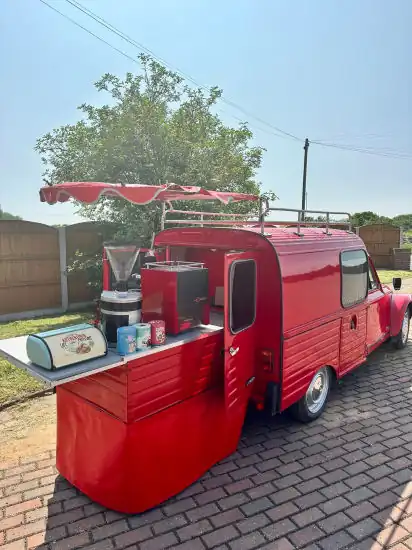
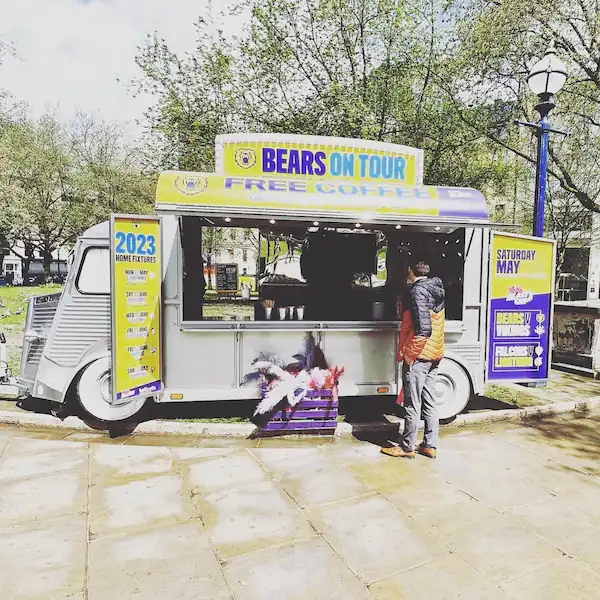
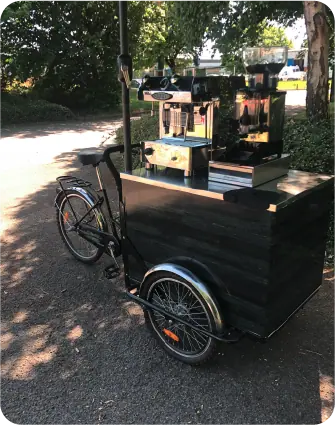
Planning a charity funday is no small feat. One of the key elements that can make or break your event is the catering.
Choosing the right catering service can enhance the overall experience, resonate with attendees, and contribute to the success of your charity event.
In this article, we’ll explore creative and practical ideas for planning catering for a charity funday. From aligning your food choices with your charity’s mission to leveraging social media, we’ve got you covered.
Aligning Catering With Your Charity’s Mission
Aligning your catering choices with your charity’s mission is essential. This connection can strengthen your message and attract more support.
Consider using ingredients that reflect your cause. For example, a charity focused on environmental protection could opt for organic and sustainable food.
Working closely with your caterer, you can create a menu that highlights your values. This not only tastes great but also tells a compelling story.
Selecting a Caterer: Variety and Flexibility
Choosing the right caterer is key to your event’s success. Look for those who offer diverse menu options. This ensures all dietary needs are covered.
Flexibility is crucial. A caterer willing to adjust their offerings helps accommodate last-minute changes. This responsiveness is invaluable.
A caterer with experience in charity events often has insights into budget-friendly choices. They can provide creative solutions without compromising on quality, adding both variety and value.
Crafting a Memorable Menu
A menu that tells a story is bound to captivate guests. Align your dishes with the charity’s mission to create a deeper connection.
Incorporate local and seasonal ingredients. This approach not only enhances flavor but also supports community farmers. Freshness speaks volumes.
Don’t shy away from creativity. Unique dishes or themed selections can leave a lasting impression, adding an extra layer of excitement to your event.
Chinese Noodles
Cost-Effective Catering Without Compromise
Catering on a budget doesn’t mean sacrificing quality. Explore options that offer great value without losing taste or presentation.
Negotiate with caterers. Many are willing to provide discounts or even donations, especially if aligned with a worthy cause. This can significantly cut costs.
Embrace simplicity. Opt for a streamlined menu that focuses on fewer, high-quality offerings. This approach can maximize impact while keeping expenses in check.
Interactive Food Stations and Experiences
Engage your guests with lively, interactive food stations. They provide entertainment and delicious offerings. Guests love the immersive experience of a build-your-own taco bar or a gourmet popcorn stand.
These setups encourage mingling and participation, enhancing the event’s social atmosphere. Choose themes that resonate with your charity’s cause, making the experience even more meaningful.
Collaborate with caterers to craft unique, engaging experiences. Tailor them to your audience’s preferences. This will leave a lasting impression and ignite conversations.
Presentation: The Visual Appeal of Charity Catering
A visually appealing spread can entice guests and amplify the event’s charm. Beautifully plated dishes speak volumes and encourage donations.
Pay attention to colors, textures, and arrangement. They should harmonize with your event’s theme. An aesthetic presentation can elevate the overall dining experience, making your charity event unforgettable.
Eco-Friendly and Sustainable Catering Choices
Opting for eco-friendly catering highlights your commitment to the environment. Choose caterers who use biodegradable materials and source sustainably.
Supporting local farms minimizes your event’s carbon footprint. These choices not only reflect your values but also attract eco-conscious guests.
Leveraging Social Media to Showcase Your Catering
Social media can be your best ally in event promotion. Capture eye-catching images of your catered dishes and share them online. Use vibrant photos to whet people’s appetite and generate buzz.
Engage your audience with live videos or stories during the event. Create excitement by showcasing unique culinary moments. Social media transforms your catering into a conversation starter, drawing more attention and potential attendees.
Conclusion: The Impact of Thoughtful Catering on Charity Events
Thoughtful catering can elevate a charity event. It ties together mission, theme, and community engagement. Creative menus and interactive stations can create lasting impressions.
By investing in quality food and presentation, you encourage participation and donations. Carefully planned catering transforms events into unforgettable experiences, leaving guests eager for more.
French street food is a culinary adventure. It’s a vibrant blend of tradition and innovation, served up on bustling streets and charming squares.
This gastronomic journey is not just about satisfying hunger. It’s about experiencing the rich tapestry of French culture, one bite at a time.
From the humble baguette sandwich to the gourmet offerings of modern food trucks, French street food is diverse. It reflects the regional flavors and culinary heritage of this beautiful country.
But it’s not just for foodies and travelers. Marketing managers can find inspiration in the creativity and originality of French street food. It’s a unique content idea that resonates with audiences.
Wedding planners, too, can tap into the allure of French street food. Imagine a food truck serving up delicious crepes or croque monsieur at a wedding. It’s a wow factor that guests will remember.
In this guide, we’ll explore the best of French street food. We’ll delve into its history, its iconic dishes, and its role in French culture.
Join us on this culinary journey. Discover the charm of French street food and how it can inspire your work and enrich your experiences.
The Allure of French Street Food
French street food captivates with its fusion of simplicity and sophistication. It’s a testament to the country’s culinary expertise, distilled into quick, savory bites. These delights invite curious palates to experience traditional flavors and modern twists.
The streets of France transform into open-air food markets, where vendors share their creations. Each stall offers a unique culinary perspective, turning every corner into an opportunity for new tastes. From bustling Paris streets to quaint provincial towns, the allure of French street food is undeniable.
For anyone seeking authenticity, French street food provides a genuine taste of local life. It reflects the social and cultural heartbeat of communities. The interactions at food stalls create a lively atmosphere, blending everyday life with gastronomic pleasure. Embrace the authenticity and charm of French street food, where each bite tells a story of tradition and innovation.
A Bite into History: The Origins of French Street Food
The origins of French street food are rooted in the Middle Ages. Markets and fairs were bustling, vibrant scenes filled with food sellers. These vendors offered convenience with simple, hearty meals to travelers and locals alike.
As cities grew, so did the popularity of street food in France. Urbanization during the industrial revolution saw people leading faster-paced lives. Street food became an essential part of daily sustenance, offering nourishment quickly without sacrificing flavor.
This culinary tradition was influenced by diverse cultures and trade routes. Each region adopted and adapted ingredients, creating distinct local fare. French street food is a rich tapestry, weaving together history, culture, and modern culinary developments. It remains as much a cultural experience as a gastronomic one, connecting past and present through taste.
Food Trucks: The Modern Carriers of French Street Fare
Food trucks have transformed the street food landscape in France. They bring culinary delights to new locales. With a focus on mobility and innovation, they offer diverse dishes on the go.
These trucks are contemporary ambassadors of French cuisine, combining tradition and modernity. They blend classic recipes with creative twists, capturing the essence of French street food. As a result, food trucks cater to adventurous palates, drawing in locals and tourists alike.
The rise of gourmet food trucks in urban areas marks a shift in dining culture. They encourage exploration of flavors beyond traditional eateries. French food trucks continue to inspire culinary innovation while maintaining the rich heritage of street fare. From artisanal baguette sandwiches to reinvented classics, food trucks serve as modern-day guardians of France’s street food legacy.
Iconic French Street Food Items You Can’t Miss
French street food is a colorful tapestry of flavors and textures. Each region offers its own take on beloved staples. Whether strolling through a bustling market or lounging by the Seine, these street bites tempt passersby at every turn.
Here are a few must-try delicacies that capture the heart of French street food culture:
Baguette Sandwiches: Crunchy exteriors and soft interiors create a perfect base for fresh fillings.
Crepes: Versatile and delightful, they can be sweet with sugar or savory with cheese.
Croque Monsieur: This toastie combines gooey cheese and sizzling ham on warm bread.
Socca: A Southern favorite, made from chickpea flour, offering a deliciously nutty taste.
Bouillabaisse sandwiches: Packed with seafood goodness, these are a portable taste of Provence.
Gauffres (Waffles): Sweet lovers rejoice with these fluffy delights often topped with honey.
These items are just the beginning of French street food treasures. From the crispy crust of a baguette to the molten cheese in a croque monsieur, each bite tells a story.
Local specialties such as socca reflect France’s regional diversity. Socca, a pancake-like snack hails from Nice, offering a taste of the Mediterranean with every bite. Pair these with a glass of Provence rosé for the perfect match.
The charm of French street food lies in its ability to balance tradition with innovation. Vendors constantly reinvigorate classics with modern twists, enticing foodies to try something new. As you sample the diverse offerings, you’ll experience the rich culinary heritage of France firsthand.
Baguette Sandwiches: A Staple on the Go
The humble baguette sandwich embodies French street dining. Crisp, golden crusts with airy centers provide the perfect vessel for delicious ingredients. A typical sandwich might feature cheese, meats, or vegetables.
Baguette sandwiches reflect regional flavors through fresh ingredients. Local markets offer a bounty of seasonal produce, which artisans transform into vibrant creations. This balance of taste and texture makes every bite a flavorful journey.
Crepes, synonymous with French street food, delight sweet and savory palates alike. These thin pancakes can be filled with countless options, from sweet strawberries and cream to earthy mushrooms and Gruyère cheese.
Perfect for any time of day, crepes suit breakfast, lunch, or a late-night snack. Vendors skillfully prepare them before your eyes, creating a fragrant symphony of smells and anticipation. This versatility and fresh-made appeal make crepes a perennial favorite.
Croque Monsieur: The Quintessential French Toastie
The croque monsieur is a decadent yet simple toasted sandwich. It’s filled with layers of ham and cheese, often with béchamel for added richness. This classic is a go-to comfort food that warms both the heart and soul.
Street vendors elevate the croque monsieur with quality ingredients. Fresh bread, aged cheese, and artisan ham come together, creating an unforgettable experience. With each bite, the melty cheese and savory ham create a symphony of traditional French flavors.
Regional Flavors: Street Food Variations Across France
France’s diverse regions boast distinct culinary personalities. Each offers unique street food specialties that reflect local tastes and traditions. From Brittany’s coastal flavors to Alsace’s hearty fare, there’s something for everyone.
In the north, Brittany brings us the beloved galette. This savory buckwheat crepe comes filled with ham, egg, and cheese, offering a hearty meal with a rustic touch. As you travel south, Provençal socca—a chickpea-based delight—provides a nutty alternative known for its crispy edges and tender inside.
Meanwhile, in the east, Alsace surprises food lovers with tarte flambée. This thin, pizza-like dish features a creamy cheese base topped with onions and bacon. It’s reminiscent of the region’s shared French and German heritage, combining warmth with zest. Each region’s street food embodies local ingredients and flavors, offering a culinary tour of France without leaving the street.
In recent years, gourmet food trucks have revolutionized the French street food scene. These mobile kitchens bring high-end, restaurant-quality cuisine directly to patrons. This trend allows chefs to experiment and innovate in a more relaxed, accessible setting.
These food trucks offer a delightful mix of classic and creative dishes. Expect traditional options with a twist, such as truffle-infused fries or foie gras burgers. The gourmet focus elevates common street bites to culinary masterpieces, enticing a crowd of devoted foodies.
This approach attracts diverse crowds looking for refined flavors on the move. It also introduces gourmet dining to a broader audience who might not frequent upscale restaurants. With inventive menus and talented chefs, gourmet food trucks highlight the possibilities of street food. They challenge the perception of what street cuisine can be, one delectable bite at a time.
The Fusion of Tradition and Innovation in French Street Food
French street food beautifully marries tradition with innovation. Vendors blend time-honored recipes with modern twists, creating exciting flavors. This dynamic approach keeps the scene vibrant and evolving.
Chefs are embracing this fusion by reinventing classics. Think of escargot served in bite-sized pastry shells or duck confit tacos. These creative offerings respect culinary heritage while introducing a contemporary flair.
This fusion caters to adventurous eaters seeking novelty in familiar dishes. It encourages a new appreciation for beloved classics by reimagining them. As street food continues to evolve, the fusion of old and new ensures endless possibilities and delights.
Parisian Street Eats: A Culinary Adventure
Parisian street eats offer a vibrant tapestry of flavors. The bustling streets of Paris are a playground for food lovers. From savory delights to sweet indulgences, there’s something for everyone.
Take a stroll along Le Marais, and encounter a smorgasbord of choices. Vendors serve piping hot crepes filled with Nutella or ham and cheese. The aroma of freshly baked baguettes fills the air, tempting passersby.
Beyond the classics, innovation thrives in the city. You might discover a gourmet food truck offering foie gras burgers. Parisian street food offers a delicious adventure, blending tradition with exciting new tastes. Whether you’re a local or a visitor, Paris promises an unforgettable culinary journey.
The Social Fabric: Street Food’s Role in French Culture
Street food in France is more than just casual eats. It’s a cultural experience, entwined with daily life. From bustling markets to quiet corners, it bridges diverse communities.
Gathering around a food stall fosters human connections. Conversations spark as people savor a croque monsieur or a crepe. This shared experience breaks social barriers and enhances community spirit.
Festivals and events often feature street food, celebrating regional flavors. These gatherings showcase local specialties and traditional recipes. Street food encapsulates the vibrant diversity and rich culinary heritage of France, strengthening social ties.
The Visual Feast: Presentation in French Street Food
In French street food, presentation is an art form. It’s not just about taste; it’s about visual allure. Dishes are crafted to delight the eyes first, creating anticipation.
Every dish is a canvas that reflects French elegance. From the crisp, golden crust of a baguette sandwich to the delicate swirl of a crepe, attention to detail is paramount. This visual appeal enhances the dining experience, making each meal not only delicious but unforgettable.
The Sensory Journey: Tasting French Street Food
Tasting French street food is a feast for the senses. Aromas drift through the air, drawing you closer. Each bite is a burst of flavors, from rich cheeses to aromatic herbs. Textures range from the crispy crust of a croque monsieur to the tender filling of a savory crepe.
As you explore these offerings, you’ll find surprises in every mouthful. The harmonious blend of sweet and savory, salty and tangy, makes each taste an adventure. This sensory journey invites you to explore and savor the vibrant tapestry that is French street food, one bite at a time.
Discovering the Best Food Trucks in France
Embarking on a food truck quest in France is an exciting adventure. Cities like Paris and Lyon host myriad food trucks offering delectable delights. Each food truck presents its own twist on traditional French cuisine, serving fresh and creative dishes.
To find these culinary gems, explore local food markets and trendy neighborhoods. Social media platforms are gold mines for updates on truck locations and specials. Follow popular food truck accounts to stay in the loop and never miss a new offering.
Venturing beyond big cities uncovers hidden food truck treasures. Smaller towns boast unique trucks serving regional specialties. Enjoy everything from rustic baguette sandwiches to gourmet street food creations. France’s diverse food truck scene promises delightful surprises for every palate.
Sustainability on Wheels: Eco-Friendly French Food Trucks
The green movement has taken root in the French street food scene. Many food trucks now prioritize sustainability in their operations. This shift aligns with a growing demand for environmentally friendly dining options.
Eco-friendly food trucks often source local, organic ingredients. This not only reduces their carbon footprint but also supports local farmers. Seasonal menus also help minimize waste and highlight fresh produce.
Additionally, these vendors adopt sustainable practices in their daily operations. Biodegradable utensils and containers reduce waste, while solar panels power eco-conscious trucks. French food trucks demonstrate how delicious street eats can be both innovative and environmentally responsible.
Conclusion: The Enduring Charm of French Street Food
The allure of French street food lies in its vibrant flavors and cultural depth. Each bite reflects a rich tapestry of history and innovation.
From bustling food markets to gourmet food trucks, the experience transcends mere nourishment. It connects people, traditions, and modern tastes in delightful harmony. Embracing French street food is an unforgettable culinary journey.
Cold brew coffee is more than just a beverage. It’s a lifestyle choice, a statement of sophistication.
This unique coffee brewing method has taken the world by storm. Its popularity is soaring, and for good reason.
Cold brew coffee offers a smooth, rich flavor that’s less acidic than traditional hot brews. It’s a refreshing alternative, especially during the warmer months.
But the magic of cold brew coffee doesn’t stop at its taste. It’s also a versatile drink that can be served in various ways, making it a hit at events and gatherings.
Imagine a coffee truck at a wedding, serving cold brew coffee with a twist. It’s not just about quenching thirst, it’s about creating an experience.
Join us as we delve into the world of cold brew coffee, exploring its intricacies, and unveiling how it can be the star of your next event.
The Rise of Cold Brew Coffee
Cold brew coffee has swept across cafes and kitchens everywhere. It’s not just a trend; it’s a full-fledged movement.
Unlike its hot counterpart, cold brew requires patience and attention. Its allure lies in the gentle extraction process that highlights its smooth taste. This long, cold steeping brings out the best in coffee beans, revealing subtle flavors that otherwise remain hidden.
From bustling city streets to quiet suburban homes, coffee enthusiasts are brewing this chilled delight. They savor not only the coffee but also the soothing ritual of its preparation. This rise in popularity signifies a shift towards a more thoughtful, intentional coffee experience.
Cold Brew vs. Iced Coffee: Unveiling the Mystery
Cold brew and iced coffee might look similar in a glass, but their origins diverge. The brewing methods set them worlds apart.
Cold brew is steeped slowly in cold water, usually for 12 to 24 hours. Meanwhile, iced coffee is simply hot coffee that’s been cooled and poured over ice. This difference in preparation results in stark contrasts.
Cold brew tends to be smoother and less acidic, offering a mellow experience. Iced coffee retains the bite of its heat-sealed essence, providing a brighter yet more tart taste. These nuanced distinctions carve out unique spaces in the coffee culture, inviting enthusiasts to explore and savor both.
The Science of Cold Brew: Why It Wins Over Coffee Lovers
The allure of cold brew lies in its methodical extraction process. Brewing in cold water for extended periods gently coaxes flavors from the coffee beans.
This slow steeping technique reduces bitterness, while emphasizing the beans’ intrinsic sweetness and smoothness. Unlike the quick extraction of hot brewing, cold brewing’s patience yields a rich, layered profile.
The chemistry behind cold brew’s magic offers lower acidity and a more velvety texture. This harmonious balance captivates coffee lovers seeking a less acidic experience that won’t upset their stomachs. Cold brew’s subtle complexity wins hearts, sip by tranquil sip.
DIY Cold Brew Recipe: Your New Morning Ritual
Ready to transform your mornings with a refreshing brew? With a little prep, cold brew coffee can become your daily delight.
Creating cold brew at home is simple and rewarding. It saves money and allows customization to your taste preferences.
Here’s a straightforward cold brew recipe to get started:
Ingredients: Coarse ground coffee, cold water.
Tools: Large jar, fine mesh sieve, or cheesecloth.
Steps:
Combine 1 cup of coffee with 4 cups of water in a jar.
Stir gently, ensuring all grounds are soaked.
Cover and let steep in the fridge for 12 to 24 hours.
Strain through a sieve or cheesecloth.
Dilute with water or milk to taste, then savor.
This recipe creates a versatile coffee concentrate. Adjust the brew time and coffee-to-water ratio to find your perfect blend. With cold brew ready to pour, your morning ritual is set for tasty awakening.
Selecting the Perfect Cold Brew Coffee Pot
Choosing the right cold brew coffee pot is crucial for quality results. Various options are available, each offering unique features. Consider your lifestyle and brewing habits when selecting a pot.
Look for a pot with a built-in filter for convenience. A larger capacity pot is ideal if you brew in large batches. Some pots are designed to minimize sediment, ensuring a smooth brew every time.
Glass pots are popular for their sleek look, but plastic ones offer durability. Whichever you choose, your brew will benefit from the right pot. Make your selection wisely, and let the brewing adventure begin.
The food truck craze has taken the beverage world by storm. Coffee trucks are key players in this trend. They bring barista-style brews to the streets.
Cold brew coffee is a star on their menus. Its refreshing taste and smooth finish attract customers in droves. Serving it from a coffee truck adds flexibility and flair. This mobile setup is ideal for events, tapping into the growing demand for unique offerings. Entrepreneurs find that cold brew helps differentiate their coffee truck, appealing to today’s adventurous coffee lovers.
Marketing the Chill: Promoting Your Cold Brew Coffee
Creating buzz around your cold brew requires savvy marketing. Social media is a powerful tool. Showcase your cold brew coffee in enticing visuals.
Develop engaging content that highlights its unique qualities. Host live-tasting sessions or virtual demos to attract an audience. Consider partnerships with influencers to extend your reach. Influencers can introduce your cold brew to new followers, enhancing brand visibility.
Craft messages that resonate with your audience’s lifestyle. Emphasize the convenience and taste of cold brew coffee. Whether it’s a morning boost or an afternoon treat, a compelling narrative can foster a deeper connection with customers, boosting engagement and loyalty.
Seasonal Twists: Cold Brew Coffee for Every Occasion
Cold brew’s versatility makes it perfect for all seasons. Incorporate spices like cinnamon or nutmeg in fall. These flavors add warmth to the brew, delighting taste buds when temperatures drop.
Summer begs for fresh, vibrant notes. Consider adding citrus or tropical fruits for a refreshing twist. Berry infusions can also transform cold brew into a delightful summertime drink.
Craft seasonal specials that capture the essence of each time of year. This approach not only keeps your menu exciting but also draws in customers eager to try the latest flavors. By embracing seasonality, you can create cold brew experiences that truly surprise and satisfy.
Sustainability and Cold Brew: A Match Brewed in Heaven
Cold brew coffee aligns perfectly with sustainability goals. Its preparation involves no heat, reducing energy use significantly. This eco-friendly method appeals to environmentally-conscious consumers.
Opt for reusable cold brew coffee pots to minimize waste. Glass or stainless steel options are not only durable but also sustainable. Encouraging customers to bring their own cups further lowers environmental impact.
Sustainability initiatives can be seamlessly integrated into cold brew operations. From sourcing fair-trade beans to using compostable packaging, every step makes a difference. Embrace these practices to create a responsible brand image that resonates with eco-aware audiences.
When it comes to wedding planning, every detail matters. From the dress to the decor, each choice reflects your personality and sets the tone for your special day. One trend that’s capturing the hearts (and taste buds) of couples everywhere is the inclusion of fresh doughnuts on the wedding menu. Adding hot, fresh doughnuts to your wedding dessert table can offer a delightful twist on traditional treats that your guests will love.
Who can resist the sweet aroma of freshly made doughnuts? Doughnuts aren’t just for breakfast or coffee breaks anymore. They’re becoming a staple at weddings, offering an array of flavors, toppings, and presentations that can be customized to fit any theme or style.
Why Choose Doughnuts for Your Wedding?
Doughnuts are versatile, visually appealing, and universally loved. They can be tailored to suit a variety of tastes and dietary needs, making them a perfect choice for wedding dessert tables. Here are a few reasons why they make an excellent addition to your wedding menu:
Variety: From classic glazed to gourmet flavors like lavender honey or maple bacon, the options are endless.
Customization: You can match doughnuts to your wedding colors or theme with different icings and toppings.
Interactive Experience: Set up a DIY doughnut bar where guests can choose their own toppings, creating a fun and interactive experience.
Doughnut Cart Hire
Doughnuts vs. Traditional Wedding Desserts
While traditional wedding cakes hold a special place in many hearts, doughnuts offer a unique alternative that can stand on their own or complement other desserts. They are often more cost-effective than elaborate cakes and allow for easier portion control, ensuring everyone gets a taste.
Designing Your Wedding Doughnut Menu
Creating a doughnut menu for your wedding involves more than just picking your favorite flavors. Here’s how to craft a memorable doughnut experience for your guests:
Selecting the Right Flavors
Consider offering a mix of classic and unique flavors to cater to a range of preferences. Popular choices include:
Classic Glazed: A timeless favorite that never goes out of style.
Chocolate with Sprinkles: Adds a touch of whimsy and color.
Seasonal Specials: Incorporate flavors like pumpkin spice in the fall or lemon raspberry in the spring.
Presentation Matters
The way you display your doughnuts can enhance the overall aesthetic of your wedding. Consider these creative ideas:
Doughnut Walls: A trendy option that doubles as decor.
Tiered Stands: Create a centerpiece with tiered stands filled with assorted doughnuts.
Individual Boxes: Perfect for guests to take home as a sweet reminder of your special day.
Pairing with Other Desserts
Doughnuts can shine on their own or be part of a larger dessert spread. Consider pairing them with:
Coffee and Tea Station: Complements the doughnuts and offers guests a cozy treat.
Miniature Milk Bottles: A nostalgic pairing that guests will adore.
Ice Cream Sundae Bar: For a truly indulgent experience, let guests top doughnuts with ice cream and sundae toppings.
Making Doughnuts a Part of Your Wedding Theme
Your wedding theme plays a crucial role in determining the overall vibe of your celebration. Here’s how to integrate doughnuts seamlessly into your theme:
Rustic Charm
For rustic or outdoor weddings, consider doughnuts with earthy flavors like cinnamon sugar or apple cider. Use wooden crates or barrels for display, and incorporate natural elements like greenery or burlap.
Elegant Affairs
If your wedding is more formal, opt for sophisticated flavors like champagne-glazed or white chocolate raspberry. Display them on elegant silver platters or glass stands to add a touch of class.
Whimsical and Fun
For a playful theme, choose brightly colored icings and fun toppings like fruity pebbles or marshmallows. Create a vibrant display with colorful signage and props.
Tips for a Seamless Doughnut Experience
To ensure your doughnut station is a hit, follow these practical tips:
Work with a Reputable Vendor
Choose a local bakery or doughnut shop known for quality and freshness. Schedule a tasting to sample different flavors and confirm their ability to deliver on your wedding day.
Consider Dietary Restrictions
Offer a selection of gluten-free, vegan, or nut-free doughnuts to accommodate guests with dietary restrictions. This consideration shows thoughtfulness and ensures everyone can enjoy the treats.
Timing is Key
Coordinate with your vendor to ensure doughnuts are made fresh and delivered at the perfect time. This will ensure they taste as good as they look.
Conclusion: A Sweet Addition to Your Big Day
Incorporating hot, fresh doughnuts into your wedding menu is more than a trend—it’s a sweet way to personalize your celebration and delight your guests. Whether you create a doughnut wall, offer a build-your-own-doughnut bar, or simply display them alongside other desserts, doughnuts are sure to leave a lasting impression.
By considering flavors, presentation, and how they fit into your theme, you can craft a doughnut experience that complements your vision and adds a unique touch to your wedding day. So go ahead, elevate your wedding with doughnuts, and let your love story be as sweet as your dessert table.
Coffee is more than just a morning pick-me-up. It’s a world of flavors, aromas, and experiences waiting to be discovered.
From the robust espresso to the creamy latte, the types of coffee are as diverse as the regions they come from. Each type offers a unique taste profile, shaped by factors like bean origin, roast level, and brewing method.
But how well do you know your coffee? Can you tell an Americano from a Macchiato or a Mocha from a Flat White?
This guide will take you on a journey through the different types of coffees. We’ll explore their unique characteristics, how they’re made, and what sets them apart.
Whether you’re a coffee connoisseur, a casual drinker, or a marketing manager looking to engage your audience, this guide is your ticket to the fascinating world of coffee. So, grab your favorite cup and let’s dive in.
The Bean Basics: Arabica vs. Robusta
Understanding coffee begins with its beans. Arabica and Robusta are the two most popular types. Their differences influence taste, aroma, and quality.
Arabica is favored for its smooth, sweet flavor and higher acidity. It’s often grown at high altitudes. Robusta, on the other hand, boasts a stronger, more bitter taste with earthy tones. It grows at lower altitudes and contains more caffeine.
Arabica typically appears in specialty coffees, while Robusta often finds its way into espresso blends. Both types, however, offer unique qualities that cater to diverse preferences.
The Roast Spectrum: Light to Dark
Roasting coffee beans transforms their raw, green state into the aromatic, flavorful morsels we know. The roasting process greatly impacts taste and aroma, shaping the coffee types we enjoy.
Light roasts retain the bean’s original flavors, often with fruity or floral notes. They are generally higher in acidity. Dark roasts, however, offer a robust, smoky flavor with reduced acidity. They often carry chocolate or nutty undertones. Medium roasts balance these characteristics, providing a smooth, rounded flavor profile appealing to many palates. The choice of roast can personalize your coffee experience, enriching every sip.
Espresso: The Intense Foundation
Espresso is the heart of countless coffee types. It is brewed by forcing hot water through finely-ground coffee beans.
This method creates a bold, concentrated shot topped with a creamy crema. Espresso packs a powerful punch of flavor, despite its small size. Its intense taste forms the base for many beloved beverages. Mastering the art of espresso is a key skill for any coffee enthusiast. Each shot offers a rich experience of coffee’s potential.
Americano: Espresso’s Milder Cousin
The Americano offers a gentler coffee experience. Created by adding water to espresso, it results in a coffee with a milder profile.
This technique gives it the similar richness of espresso, but with less intensity. It’s perfect for those who appreciate robust flavor but prefer a lighter touch. The Americano remains a versatile option, adaptable to personal taste preferences. Enjoy it hot or cold, with milk or without; it caters to many preferences.
Latte: Smooth and Creamy Delight
The latte is the epitome of creamy coffee elegance. This coffee type blends espresso with steamed milk, resulting in a rich, velvety texture.
Each sip offers a harmonious balance of strong coffee and a soothing milky embrace. Lattes can be customized with various flavors, like vanilla or caramel, enhancing their allure. With its smooth texture and mild flavor, the latte is a universal crowd-pleaser, cherished across coffee cultures worldwide.
Cappuccino: The Frothy Favorite
Cappuccino is a classic coffee type cherished for its frothy crown. It features a perfect trifecta of espresso, steamed milk, and milk foam.
The distinct layers offer a delightful taste experience, with the froth adding a creamy texture. Sipped leisurely, it reveals a robust coffee base with a touch of sweetness. The cappuccino’s balance of boldness and frothiness makes it a timeless favorite, enjoyed by coffee lovers across the globe.
Macchiato: A Mark of Milk
The macchiato is a bold coffee with a subtle touch. It’s crafted by adding a small dollop of milk foam to a shot of espresso.
This simple addition tempers the espresso’s intensity, creating a harmonious taste. With its delicate balance, the macchiato appeals to those who enjoy a strong coffee flavor with a hint of creaminess. Its elegance in simplicity makes it a standout choice for discerning coffee enthusiasts seeking an exquisite cup.
Mocha: Chocolate Meets Coffee
The mocha is a delightful fusion of coffee and chocolate. This indulgent drink combines rich espresso with velvety steamed milk and a luscious layer of chocolate syrup.
This concoction creates a sweet, balanced taste profile, appealing to those with a sweet tooth. The mocha is often topped with whipped cream, adding an extra layer of decadence. It’s perfect for those days when you crave something comforting and indulgent. The mocha stands out as an irresistible treat that brings together the best of both worlds.
Flat White: The Velvety Variant
The flat white is known for its smooth texture and rich flavor. This drink uses a double shot of espresso and finely textured milk.
What sets it apart is the microfoam, a dense layer that sits above the espresso, blending seamlessly. Originating from Australia or New Zealand, this coffee type is loved for its silky finish. It’s perfect for those who appreciate the pure coffee taste without overpowering flavors, offering a creamy yet bold experience.
Cold Brew: The Cool Contender
Cold brew has taken the coffee scene by storm. It offers a smooth and less acidic experience compared to traditional brews.
Prepared by steeping coarsely ground beans in cold water for hours, its mellow taste is perfect for hot days. This method brings out unique flavors without bitterness. It’s a refreshing alternative and can be customized with milk, cream, or sweeteners. Cold brew appeals to those seeking a less traditional coffee experience while embracing new flavors.
Nitro Coffee: The Creamy Innovation
Nitro coffee adds a creamy twist to cold brew. It infuses the drink with nitrogen gas, giving it a frothy head.
This innovation enhances texture, making it rich and smooth. Its visual appeal is striking, as it cascades elegantly into the glass. Nitro coffee’s unique mouthfeel is akin to a velvety beer. It’s served cold from a tap and often appreciated for its natural sweetness, without the need for added sugar or cream.
Turkish Coffee: A Time-Honored Tradition
Turkish coffee embodies rich tradition and cultural heritage. Made with finely ground coffee beans, it’s brewed in a special pot called a cezve.
This unfiltered coffee boasts a bold, robust flavor. The preparation is an art, as it involves careful boiling to create a thick foam. Typically served in small cups, Turkish coffee is often sweetened and sometimes spiced with cardamom. The ritual of sipping this coffee invites conversation, making it a cherished social experience.
Irish Coffee: A Spirited Blend
Irish coffee offers a delightful fusion of whiskey and caffeine. It originated in Ireland and warms you with its rich flavors.
This cocktail is crafted from freshly brewed coffee, Irish whiskey, sugar, and topped with cream. It’s a perfect drink for chilly evenings or a cozy indulgence. The cream floats on top, creating a layered experience that blends sweetness, warmth, and a kick of spirit. Each sip brings a comforting blend of flavors and smooth texture.
Specialty and Seasonal Brews: From Pumpkin Spice to Peppermint Mocha
When fall arrives, many savor the beloved pumpkin spice latte. It’s a cozy drink full of spices and autumn essence.
Winter brings peppermint mochas, a festive twist with minty freshness. Their sweetness paired with chocolate makes them a holiday favorite.
Specialty brews often feature inventive combinations, drawing curious coffee lovers. Each sip promises a unique burst of seasonal joy. These drinks capture the spirit of the seasons, offering a taste of celebrations and fond memories.
The Rise of Alternative Milks in Coffee Culture
Dairy-free alternatives have taken the coffee world by storm. Almond, oat, and soy milk are now popular choices.
These milks cater to dietary needs and lifestyle preferences. They add unique flavors and textures to any cup. Baristas skillfully incorporate them, enhancing the coffee experience.
The trend also reflects a shift toward sustainability. Plant-based options often have a lower environmental impact. As awareness grows, so does the demand for these versatile alternatives.
Pairing Food with Different Types of Coffees
Coffee pairs beautifully with a variety of foods. A light roast complements citrusy desserts, enhancing both flavors.
For richer dishes, like chocolate cake, opt for a bold espresso. It balances sweetness with its strong, robust notes.
Don’t overlook savory pairings. A cappuccino matches well with a buttery croissant. Each bite and sip is a harmonious blend of flavors. Tailoring your coffee choice to your meal can elevate the entire dining experience.
Conclusion: Your Perfect Cup
The world of coffee is vast and varied. Finding your favorite type may require some exploration. Experiment with different coffee types, roasting levels, and brewing methods.
Consider pairing coffees with foods to discover new taste experiences. Don’t be afraid to try something new.
Ultimately, the perfect cup is one that brings you joy. Enjoy the delightful journey of coffee discovery each sip brings. Your taste buds will thank you!