Category: Equipment

Equipment, Event Planning, Food Trucks

Food Truck Catering

6 February 2025
Fire Truck side Cranwell

Food truck catering is on the rise. It’s a trend that’s shaking up the event industry, offering a fresh take on dining experiences.

But what makes food trucks so appealing? They bring a unique charm to both casual gatherings and corporate events, creating memorable experiences for attendees.

The variety of cuisine options and cost-effectiveness are added bonuses. But there’s more to food truck catering than meets the eye.

This article will delve into the ins and outs of food truck catering. We’ll explore costs, selection tips, marketing potential, and more. Let’s embark on this culinary journey together.

The Rise of Food Truck Catering in Events

Food truck catering is becoming a staple in event planning. Its popularity has skyrocketed, making it a sought-after option for diverse occasions. From local festivals to lavish weddings, food trucks add an eclectic vibe that traditional catering often lacks.

Their accessibility and versatility make them a hit among event planners. Guests enjoy the novelty and charm they provide. With an array of culinary options, food trucks cater to various tastes and preferences. This adaptability is key to their success across different event types.

Why Food Trucks Make Your Event Stand Out

Food trucks bring a dynamic flair to any event. They transform ordinary gatherings into unique experiences through their mobile kitchens and visually appealing designs. The fun atmosphere they create encourages social interaction and guest engagement.

Beyond aesthetics, food trucks offer interactive dining experiences. Attendees can watch their meals being prepared, adding excitement to any occasion. This personal touch often leaves a lasting impression. Such memorable experiences can elevate your event, making it unforgettable for everyone involved.

Understanding the Costs: How Much to Hire a Food Truck?

Several factors contribute to the cost of hiring a food truck. These include the type of cuisine, event location, and time of year. Larger events might also influence pricing due to higher demand and service levels.

Generally, hiring a food truck can cost anywhere from $500 to $3,000, depending on these variables:

  • Cuisine type and menu selections
  • Duration of the event
  • Number of guests and portion sizes

Understanding these elements helps in budgeting and ensures a worthwhile investment.

Selecting the Perfect Food Truck for Your Event

Choosing the ideal food truck requires thoughtful consideration of your event’s theme and audience. The right truck can elevate the mood and leave a lasting impression on attendees.

Start by exploring various cuisine options that cater to diverse tastes. Review customer testimonials and ratings to ensure quality and reliability. Timely booking is essential, as popular trucks often get reserved quickly.

ENG9INE The Fire Truck Food Truck

The Marketing Magic of Food Truck Catering

Food trucks can transform your event into a branding bonanza. Wrap them in vibrant signage and your brand will be the talk of the town.

Social media buzz spreads fast when food trucks serve unique culinary delights. Snap a photo, post it online, and watch your brand engagement soar.

Logistical Considerations for Smooth Food Truck Operations

Before hiring a food truck, assess the available space at your venue. Ensure there’s ample room for parking and serving.

Don’t forget permits and regulations. Coordinating with local authorities is essential to ensure a hassle-free event. Keep logistics seamless for a stellar experience.

Success Stories: Food Trucks Elevating Events

Picture this: a bustling summer festival with food trucks lining the streets. Attendees are delighted as they explore diverse cuisines and flavors.

Another event featured a food truck cluster at a corporate gathering. Employees bonded over gourmet street food, boosting morale and creating buzz both offline and online.

HY Churros Time Van
HY Churros Time Van

Conclusion: The Future of Food Truck Catering in Marketing

Food truck catering is more than a trend; it’s a fresh approach to event marketing. Its popularity is set to grow even more.

For Marketing Managers, it’s a chance to innovate and engage. By bringing food trucks to events, brands can create memorable, impactful experiences that linger.

Street Food Trucks For Hire Nationwide

Catering, Equipment, Event Planning, Food Trucks

The History of Wedding Feasts From Banquets to Buffets

4 February 2025
Wedding Cake

Weddings are a universal celebration of love and unity. They are steeped in tradition, each element carrying a symbolic meaning. Exploring the history of wedding feasts reveals how this tradition has evolved over time.

The wedding feast is more than just a meal. It’s a communal experience, a celebration of abundance, and a reflection of the couple’s culture and personal tastes.

But have you ever wondered about the origins of this tradition? How did the wedding feast evolve from ancient banquets to modern buffets?

This article will take you on a culinary journey through time. We’ll explore the rich tapestry of wedding feasts history, from the extravagant banquets of Roman times to the symbolic meals of the Middle Ages.

We’ll delve into the Renaissance era, where sugar sculptures graced the tables of wedding feasts. We’ll trace the evolution of the “wedding breakfast” in England and the grand feasts of the Victorian era.

The 20th century brought a shift towards buffet-style dining at weddings. This allowed for more variety and guest interaction, a trend that continues today.

In recent years, street food and food trucks have become popular choices for wedding catering. They offer a casual and diverse dining experience, a modern twist on the traditional wedding feast.

We’ll also explore the cultural diversity of wedding feasts. From the multi-day feasts of some cultures to the unique traditional dishes of others, wedding meals are as varied as the couples themselves.

This exploration of wedding feasts history is not just an academic exercise. It’s a source of inspiration for marketing managers and wedding planners.

For marketing managers, understanding the history of wedding feasts can help create content that resonates with audiences. It’s a way to tell a story, to connect with people on a deeper level.

For wedding planners, historical insights can inspire unique food experiences. Imagine booking a food truck that serves dishes inspired by ancient Roman banquets or Victorian-era feasts.

So, let’s embark on this journey together. Let’s delve into the history of wedding feasts, from banquets to buffets.

A Journey Through Time: The Origins of Wedding Feasts

The origins of wedding feasts are as old as marriage itself. Ancient civilizations embraced the idea of celebrating nuptials with lavish meals. These feasts were not merely about feeding guests; they were potent symbols of prosperity and unity.

In many early societies, wedding feasts were grand showcases of wealth. The more abundant the spread, the greater the display of affluence. Guests indulged in these opulent meals, solidifying social bonds and alliances through shared culinary experiences.

Feasting represented the couple’s ability to provide for one another and their future family. Different cultures developed their distinct culinary rituals and practices. Each menu item held symbolic importance, intended to bless the couple with fertility and happiness.

While every culture has unique wedding traditions, some practices were universally held. Celebrations often mirrored the abundance of the harvest or reflected religious beliefs. Over time, these rich traditions have evolved, but their purpose remains the same.

The wedding feast has always embodied the essence of community celebration. It reflects the cultural, economic, and social milieu of the time. As history unfolded, the significance of the feast persisted, even as its forms morphed.

The roots of the wedding feast extend into multiple corners of the globe. Regional ingredients and culinary techniques influenced each era’s offerings. From Europe to Asia to the Americas, each wedding menu offers its guests a taste of that lineage.

Yet, the common thread through all these feasts is the celebration of love and unity. The evolution of wedding feasts is a testament to humanity’s enduring ability to adapt tradition. Each culture adds its flair, ensuring that this age-old practice continues to evolve.

From ancient banquets to modern buffets, the wedding feast remains a cherished tradition. It brings people together in joyous celebration, bridging the past with the present. As we continue our exploration, we unravel these layers, starting with Roman extravagance.

Wedding Feast

The Roman Extravagance: A Template for Celebration

In Roman times, wedding feasts were the epitome of grandeur. These sumptuous affairs began long before the advent of modern weddings. Guests dined in opulence, celebrating unions with abundant food and elaborate displays.

The typical Roman wedding banquet featured multiple courses. Exotic meats, fresh fruits, and rich sauces were staples of the menu. They showcased the wealth and social standing of the families involved in the marriage.

These feasts were not just about indulgence. They served as an opportunity for families to forge alliances. Often, the celebration sealed political or economic agreements, vital to societal structures.

The Romans approached their wedding meals with a keen sense of theater. Each course was a visual spectacle, presented with artistic flair. Culinary performances might even include entertainment, like musicians or dancers.

The influence of Roman banquets lingers in today’s wedding celebrations. The blending of culinary excellence with theatrical presentation is a legacy of Roman feasting. It’s a tradition that modern weddings continue to draw inspiration from.

Roman Soldier

Medieval Merriment: Symbolism and Sustenance

As time marched into the Middle Ages, wedding feasts morphed yet again. Medieval banquets added layers of symbolism to the culinary experience. The choice of food was not merely practical but also imbued with meaning.

During this era, certain foods symbolized fertility and prosperity. For instance, grains were abundant, as they represented abundance and new beginnings. Thus, dishes made from grains were always present at medieval wedding tables.

Medieval wedding feasts were about creating a sense of abundance. Tables groaned under the weight of meats, pies, and breads. Feasting was also a communal activity, often shared with the entire village or community.

Beyond the food, the feasts celebrated the joining of not just two people, but two families. As such, the social and familial aspects of the wedding took center stage. Sharing a meal became a manifestation of shared joy and hope for the future.

The menu might have been expansive, but it was also deeply meaningful. Every dish told a story, every ingredient played a role in the celebration. Thus, the medieval wedding feast was both a culinary and a symbolic experience.

Renaissance Revelry: Art on a Plate

The Renaissance period injected art into culinary traditions, evolving the wedding feast yet again. Tables were adorned with masterpieces, edible creations that dazzled guests. These feasts were celebrations of not just love, but also of creativity and art.

Sugar sculptures were a hallmark of Renaissance wedding feasts. Intricately crafted, these confections showcased the skill and imagination of the chefs. These sugary displays were as much about aesthetics as they were about taste.

Menus during this time took inspiration from both art and science. Ingredients were chosen for their flavors and visual appeal. Presentation became paramount, turning meals into delightful visual feasts.

Wedding feasts during the Renaissance also reflected the period’s fascination with discovery. New ingredients and flavors were introduced, thanks to exploration and trade. This era saw the fusion of traditional European dishes with exotic spices.

The spirit of the Renaissance feast lives on in contemporary weddings. Today, the artistic presentation is still a key component of wedding catering. Chefs draw inspiration from the past, blending visual allure with gastronomic excellence.

Thus, the evolution of wedding feasts from ancient Rome through the Renaissance reflects a tapestry of love. It’s a journey that celebrates the marriage of food and art, tradition and innovation. And so, it continues, weaving its way into the modern era.

The Evolution of Wedding Breakfasts and Banquets

The concept of the “wedding breakfast” in England marked a new chapter in wedding feasts history. Despite its name, it wasn’t necessarily a morning meal. Instead, it symbolized the first meal married couples shared after their vows.

Wedding breakfasts were intimate affairs. They focused more on family and less on the grandeur of earlier eras. Often held after early church ceremonies, these meals had a more personal feel.

Banquets, however, continued to evolve alongside the wedding breakfast. They maintained their place as grand celebrations. But as society changed, so did the nature of these feasts.

The banquet served as a showcase of culinary progress and social tradition. Various courses delighted guests, featuring regional flavors and seasonal ingredients. Over time, the structure of these meals became more refined.

As weddings became more elaborate, the length and style of the festivities adapted. The balance between tradition and modernity influenced how these meals developed. Couples began blending formal elements with personal touches.

The distinction between a wedding breakfast and a banquet blurred. Today, weddings often merge the intimacy of a breakfast with the extravagance of a banquet. This evolution reflects broader changes in societal and culinary trends over centuries.

Victorian Vows: A Display of Decadence

The Victorian era brought an air of decadence to wedding feasts. Extravagant banquets mirrored society’s fascination with opulence and social standing. These affairs were as much about display as they were about taste.

Victorian weddings were famed for their rich and varied menus. Dishes showcased meticulous attention to detail. Elaborate spreads featured everything from roast meats to delicate pastries.

Sugar was a prized commodity during this period. Wedding confections became works of art. Ornate, multi-tiered wedding cakes often took center stage, presenting a testament to the couple’s wealth.

The food at Victorian weddings was emblematic of the era’s social structure. It underlined the significance of status and wealth in matrimonial alliances. Grand dining rooms filled with laughter and the clinking of crystalware.

Despite the grandeur, these weddings still cherished family. Though the banquet was vast, the essence of a union remained pure. Families and friends gathered, indulging in both culinary and emotional satisfaction.

Queen Victoria
Queen Victoria

The 20th Century: Buffets and the Birth of Variety

The 20th century saw dramatic shifts in wedding catering. World wars and economic changes influenced how weddings were celebrated. Yet, from these constraints emerged a new trend: the buffet.

Buffets symbolized a democratization of wedding feasts. They offered flexibility and choice, both in terms of menu and dining style. Guests delighted in a variety of flavors, reflecting diverse tastes.

This shift responded to changing societal dynamics. As host families looked to cater to larger groups, buffets provided a practical solution. They allowed for informal interaction amidst the celebratory backdrop.

The buffet not only changed dining at weddings but also influenced culinary presentation. Cooks began experimenting with both form and flavor. Weddings adapted to reflect the innovative spirit of the times.

Throughout the century, wedding celebrations became increasingly eclectic. Couples introduced international influences into their menus. Buffets mirrored not only a variety of cuisines but also a celebration of cultural richness.

The modern buffet embodies a culinary journey. It combines past traditions with contemporary flair. It invites guests to experience wedding feasts as shared stories, rich in history and promise.

Street Food and Food Trucks: The Modern Twist

In recent years, street food has gained immense popularity at wedding celebrations. This modern approach brings an element of casual chic to what is often a formal event. Couples are increasingly intrigued by the diverse and vibrant experiences street food offers.

Incorporating street food into weddings brings a unique and relaxed atmosphere. The lively flavors and aromas create an engaging environment. Guests can indulge in a more personalized dining experience, moving beyond the traditional confines of formal dining.

The appeal lies in the ability to offer a global culinary adventure. Couples can choose dishes that reflect their tastes, backgrounds, and stories. This ensures the meal becomes a memorable part of the celebration.

Street food adds flair and creativity to weddings. The unexpected combination of gourmet dishes served in a street-style manner offers novelty. The juxtaposition of high-quality ingredients with casual presentation is both surprising and delightful.

This trend aligns with a broader shift towards more personalized wedding experiences. As weddings become more about the couple’s unique story, every aspect, including food, reflects their personality. Street food allows couples to blend cultural authenticity with contemporary charm seamlessly.

Food trucks, which often provide street food, have become popular. They offer unparalleled flexibility and variety. With this, couples can have diverse culinary options, all while maintaining a sense of style.

The Rise of Casual Chic: Street Food at Weddings

Street food has evolved beyond city streets to become a wedding favorite. Its dynamic flavors and adaptability make it a perfect fit for modern ceremonies. This trend reflects a shift toward more personalized and approachable wedding experiences.

The casual chic vibe of street food charms guests. The freedom to wander, mingle, and eat at leisure lends an airy elegance. It fosters a sense of connectedness, as attendees share new tastes in a lively setting.

Diverse street food options can cater to various dietary needs and preferences. Vegetarian, vegan, gluten-free, and other options abound. Couples can curate menus that cater to every guest, ensuring inclusivity and enjoyment.

Street food infuses weddings with cultural vibrancy. Couples can select dishes that echo their heritage or places they’ve traveled together. This makes the meal not just nourishing, but also a narrative journey.

The rise of street food at weddings reflects a growing desire for authenticity. As couples seek to make their events truly their own, street food offers an expressway to individuality and flavor. Guests leave with satisfied bellies and a taste of the couple’s unique story.

Food Trucks: Personalization on Wheels

Food trucks have revolutionized wedding catering. These mobile kitchens bring convenience and novelty right to the reception. Their presence adds an element of surprise and delight to any celebration.

Food trucks open a world of culinary possibilities. From artisanal burgers to fusion tacos, the variety is endless. Couples can create a wedding feast as diverse and eclectic as their guest list.

The charm of food trucks lies in their ability to deliver personal touches. They can be customized to reflect the theme of the wedding. The choice of cuisine can mirror the couple’s preferences and shared experiences.

Guests enjoy the interactive nature of food trucks. Watching chefs prepare their meals fosters connection and engagement. It transforms dining into a dynamic part of the wedding experience.

Food trucks also offer a practical advantage. They allow for faster and more efficient service, reducing wait times. This ensures that the focus remains on celebration and joy, rather than logistics.

As a modern catering option, food trucks bridge tradition and innovation. They honor the communal essence of wedding feasts while embracing new trends. They symbolize a feast where personalization meets the road, delivering experiences as unique as the couples they serve.

ENG9INE The Fire Truck Food Truck

Cultural Culinary Tapestry: Wedding Feasts Across the Globe

Wedding feasts paint a rich cultural tapestry. Around the world, these celebrations reflect the diversity of human experience. Each region offers its own culinary traditions and flavors, weaving a unique story through food.

In Italy, a wedding feast is incomplete without pasta. Celebrations often include several courses, showcasing Italy’s culinary heritage. From antipasti to dolci, each dish carries history and affection.

Indian weddings are renowned for their lavish and colorful feasts. Guests enjoy an array of curries, biryanis, and sweets. Spices play a vital role, adding depth and intrigue to every bite.

In Japan, weddings feature traditional kaiseki meals. These multi-course dinners emphasize seasonal ingredients and exquisite presentation. The meticulous craft reflects the importance of harmony and detail.

Mexican wedding feasts bring vibrant flavors and festivities. Dishes like mole and tamales are served alongside lively music and dancing. The celebration is as much about joy as it is about sustenance.

In Ethiopian weddings, injera and a variety of wats take center stage. Guests gather around shared platters, enjoying a communal dining experience. This tradition embodies community and togetherness, a common thread in wedding feasts worldwide.

The Wedding Cake: From Wheat to Wow

Wedding cakes have a storied history. The tradition began with simple wheat cakes in ancient Rome. These cakes were broken over the bride’s head as a symbol of fertility and prosperity.

Through the centuries, the cake evolved. The white tiered wedding cake gained popularity in the Victorian era. White icing signified purity and was a display of wealth since sugar was costly.

Today, wedding cakes come in all shapes and sizes. Couples opt for flavors that reflect their personal tastes. From classic vanilla to exotic matcha, the options are limitless.

Some couples choose non-traditional cakes or alternatives. Cupcakes, doughnuts, and macarons replace the classic tiered cake. These modern twists allow for creativity and innovation in presentation.

The wedding cake remains a celebration’s centerpiece. It symbolizes love, unity, and new beginnings. As trends change, the essence of the cake continues to evolve, representing the sweet journey ahead.

Feasting for Days: Enduring Traditions

In many cultures, wedding feasts last for days. They offer more than sustenance—these meals cement bonds and forge memories. Guests gather to honor the couple and their families, celebrating unity and joy.

In Chinese traditions, wedding banquets often span several days. They feature elaborate feasts and symbolic dishes. Each meal carries wishes for prosperity, happiness, and fertility.

Nigerian weddings are known for their vibrant food traditions. Feasts last up to a week, incorporating local flavors and textures. The communal dining experience is central to the celebration.

In Greek weddings, hospitality shines through abundant feasting. Dishes like roasted lamb and spanakopita are staples. These meals extend over days, celebrating kinship and shared blessings.

In Lebanese culture, multiple feasts highlight the joy of union. Lavish spreads of mezze and kabobs punctuate the festivities. The abundance reflects wishes for a prosperous and fulfilling marriage.

These enduring traditions remind us of the feast’s significance. Beyond nourishment, they bind communities, telling stories of love and heritage. As weddings evolve, these timeless customs continue to inspire and unite.

Nigerian Wedding

Wedding feasts are experiencing a transformation. Tradition meets innovation, crafting experiences that engage and delight. Couples seek unique celebrations that reflect their values and tastes.

Personalization is at the forefront. Whether through menu choices or presentation, individuality shines. Tailor-made feasts allow couples to tell their story through food.

Global influences continue to shape wedding menus. Fusion dishes blend flavors from different cultures, offering a diverse experience. This trend opens doors to a culinary adventure for guests.

Health-conscious options are gaining traction. Brides and grooms incorporate nutritious ingredients and plant-based dishes. This shift reflects a growing awareness of wellness and dietary preferences.

Social media amplifies these innovations. Platforms like Instagram and Pinterest inspire couples worldwide. They showcase creative ideas, influencing the future of wedding catering.

As we step into this new era, one constant remains. The wedding feast is a celebration of love, community, and culture. Its evolution is a testament to the enduring importance of sharing a meal together.

Sustainability and Seasonality: Echoes of the Past

The move towards sustainability is echoing historical practices. Couples now favor local, seasonal ingredients at their celebrations. This choice supports the environment and local farmers, rekindling an age-old tradition.

For centuries, wedding feasts relied on the harvest. Seasonal menus were a natural choice, ensuring freshness and flavor. Today, this approach resonates with eco-conscious couples looking to minimize their carbon footprint.

Sustainability extends beyond the menu. Zero-waste catering is gaining popularity. Planners focus on reducing food waste and utilizing reusable materials, aligning with nature-conscious values.

Farm-to-table dining enhances the guest experience. Dishes are crafted with ingredients that have a story and a source. This connection adds depth, enriching the overall celebration.

Environmentally friendly packaging ties it all together. From compostable plates to recycled decor, these choices matter. They symbolize a commitment to honoring the earth and future generations.

Technology and Innovation: The Next Course

Technology is reshaping wedding feasts. Digital advancements offer exciting possibilities for personalization and efficiency. These innovations streamline planning and elevate the dining experience.

Virtual tastings are now a reality. Couples can sample menu options remotely, saving time and resources. This technology expands access, allowing brides and grooms to plan from afar.

Artificial intelligence aids in menu creation. By analyzing preferences and trends, it generates personalized suggestions. This tool ensures each feast aligns perfectly with the couple’s vision.

Augmented reality enhances storytelling. Guests can engage with interactive menus, exploring the history behind each dish. This immersive experience adds depth, making the meal more memorable.

Tech-savvy couples embrace digital invitations and seating plans. These solutions simplify logistics, reducing stress. They also promote paperless weddings, contributing to sustainability efforts.

Innovation in wedding catering is an evolving landscape. As technology advances, it opens doors to creative possibilities. These trends inspire new traditions, enriching the age-old art of celebration.

Conclusion: The Everlasting Banquet

Throughout history, wedding feasts have woven a rich tapestry across cultures. Each era leaves its unique mark, transforming the celebration of love. From grand Roman banquets to intimate street food gatherings, the spirit of the feast endures.

As wedding feasts evolve, they embrace new trends while honoring tradition. Today’s couples craft meaningful experiences, drawing from the past to inspire the future. This beautiful blend ensures a feast that resonates on a personal and cultural level.

Modern weddings highlight the importance of food as a storytelling medium. Whether through sustainability, personalization, or global influences, the feast becomes a reflection of shared values and identities. It symbolizes unity, weaving a connection between families, friends, and cultures.

As we look forward, the everlasting banquet continues to be a celebration of life and community. The feast remains a timeless symbol, ever adapting yet steadfast in its essence. It is a reminder of the joy found in gathering, sharing, and delighting in the bounty of our world.

Catering, Equipment, Event Planning, Food Trucks

AI Artwork

3 February 2025
Firefighter Eating A Burger In Front Of A Fire Truck

AI seems to be the big buzzword at the minute with artificial intelligence offering to do everything from paint a Picasso to write a new Shakespeare Play. So is it really of any use.

We have been playing around with it and tbh, for suggesting blog posts, and helping write them it is not bad. You have to watch for it finding something incorrect on the internet and writing it in as fact, but as long as you keep it in reign it has its uses.

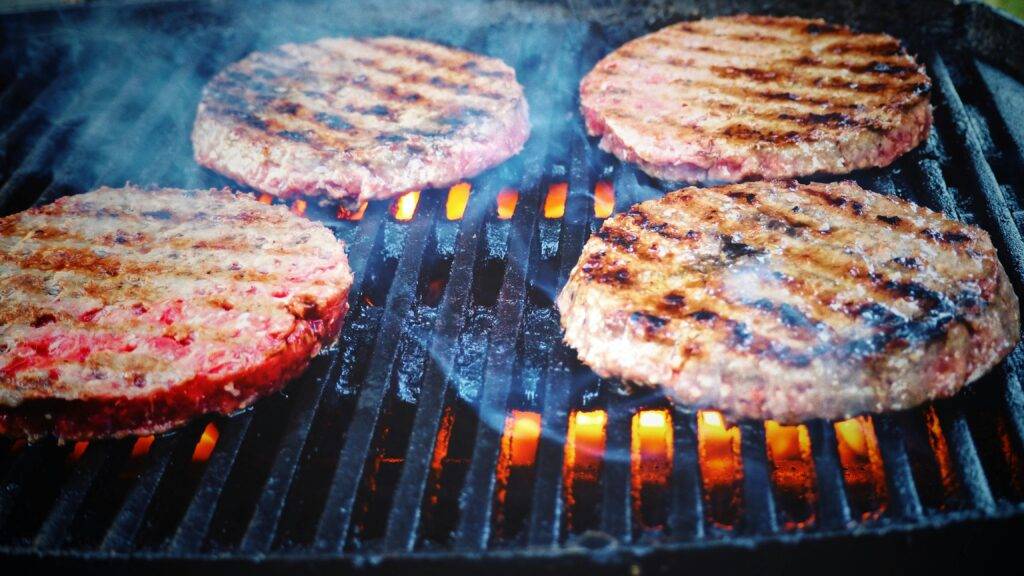
We wondered what its artistic bent would be like, so asked it to create some images of firefighters eating one of our burgers. Below is what it came up with.

It’s not bad I guess. Some of the hands are a little strange, but seeing as I can’t draw a straight line, I am quite impressed.

Makes you wonder where this technology is going to be in say 10 years time.

Catering, Equipment, Event Planning, Food Trucks

Quirky Catering For College Balls

College Ball Catering

# Quirky Catering for College Balls

Imagine the scene: a grand college ball, filled with students dressed to the nines, twinkling fairy lights casting a warm glow, and the air buzzing with excitement. Now, throw in some unexpected, mouth-watering culinary delights that break away from the traditional banquet fare. Welcome to the world of quirky catering for college balls, where imagination knows no bounds and taste buds are tantalized with every bite.

The Rise of Street Food at College Balls

Gone are the days when college balls were synonymous with stuffy, sit-down dinners. Today, the trend is all about bringing a fresh, fun, and informal vibe to these events. Street food has taken the spotlight, offering a variety of options that are not only delicious but also cater to different tastes and dietary needs. The appeal of street food lies in its diversity, affordability, and the ability to create a lively atmosphere that encourages mingling and socializing.

Why Street Food?

Street food brings a dynamic and interactive element to college balls. It allows guests to wander from stall to stall, sampling a variety of dishes and engaging with vendors. This style of catering is perfect for college events where the focus is on fun, exploration, and community. Plus, it offers an opportunity to introduce attendees to unique flavors and cuisines they might not have tried before.

Unconventional Catering Ideas

To truly make an impression, consider incorporating quirky and unexpected elements into your catering plan. Here are some ideas to get you started:

Fusion Food Trucks

Why not combine different cuisines to create a fusion food experience? Think Korean tacos, sushi burritos, or Indian-inspired pizza. Fusion food trucks can bring a creative twist to traditional dishes, offering guests a memorable dining experience that stands out from the ordinary.

DIY Food Stations

Interactive food stations allow guests to customize their meals, adding a personal touch to their dining experience. Consider setting up a build-your-own-burger bar, a pasta station with a variety of sauces and toppings, or a taco bar where guests can mix and match fillings and salsas. The possibilities are endless, and the interactive element adds an extra layer of fun.

Dessert Delights

Dessert is often the highlight of any meal, so why not make it a showstopper? Serve up a selection of quirky, bite-sized treats like cronuts, edible cookie dough, or bubble waffles. You could even have a dessert food truck offering freshly made churros, ice cream sandwiches, or gourmet doughnuts.

Themed Catering for a Cohesive Experience

To elevate the event, consider aligning your catering choices with a specific theme. Themed catering not only enhances the visual appeal but also creates a more immersive experience for attendees.

Vintage Carnival Theme

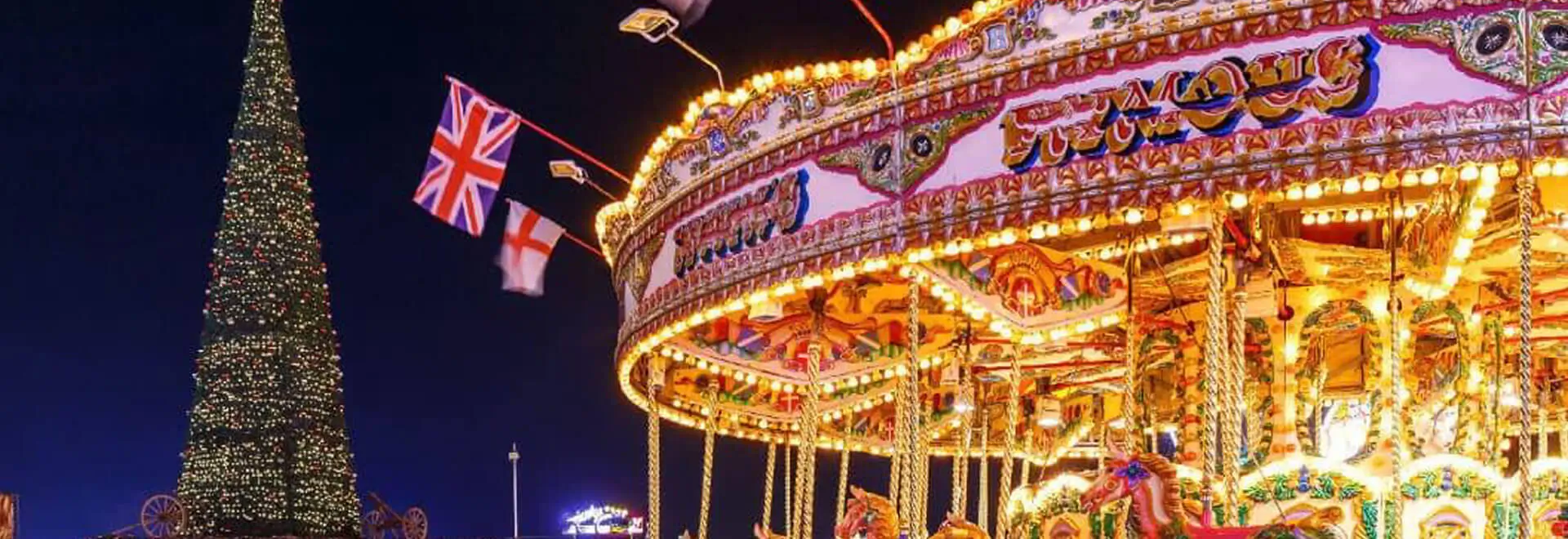
Transport your guests to a whimsical world of vintage carnivals with a menu that includes mini corn dogs, popcorn, cotton candy, and caramel apples. Decorate with vintage signs, striped tents, and fairy lights to complete the nostalgic atmosphere.

Global Street Food Festival

Celebrate the diversity of street food by offering dishes from around the world. Set up stalls representing different countries, each serving traditional street food like Mexican elotes, Vietnamese banh mi, or Moroccan tagine. This theme allows guests to embark on a culinary journey without leaving the venue.

Retro Diner Experience

Bring the classic American diner experience to your college ball with a menu that includes sliders, milkshakes, and loaded fries. Decorate with retro signage, checkered tablecloths, and jukeboxes to capture the essence of the 1950s diner era.

Catering to Dietary Needs

In today’s world, it’s important to be mindful of dietary restrictions and preferences. Offering a range of options ensures that all guests can enjoy the festivities without feeling left out.

Vegetarian and Vegan Options

Incorporate plant-based dishes that are just as flavorful and satisfying as their meat counterparts. Consider serving vegan tacos, veggie-loaded wraps, or plant-based burgers.

Gluten-Free Choices

Provide gluten-free options that don’t compromise on taste. Gluten-free pizza, rice paper rolls, and quinoa salads are great choices that cater to guests with gluten sensitivities.

Allergen Awareness

Clearly label all dishes and ensure that staff are informed about potential allergens in the food being served. This attention to detail will be appreciated by guests with food allergies and will help avoid any mishaps.

Bringing It All Together

Quirky catering for college balls is all about breaking the mold and creating a memorable experience that attendees will rave about long after the event is over. By incorporating street food, interactive elements, themed catering, and dietary considerations, you can craft an event that is both fun and inclusive.

So, the next time you’re tasked with organizing a college ball, think outside the box and let your creativity shine. With the right mix of originality and attention to detail, you can transform a traditional event into an unforgettable culinary adventure.

Equipment, Event Planning, Food Trucks

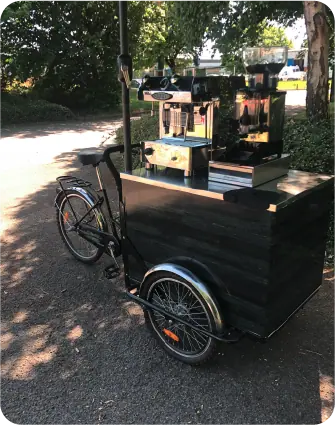
Increasing Our Range Of Catering Trikes

2 February 2025
Popeye Branded Trike

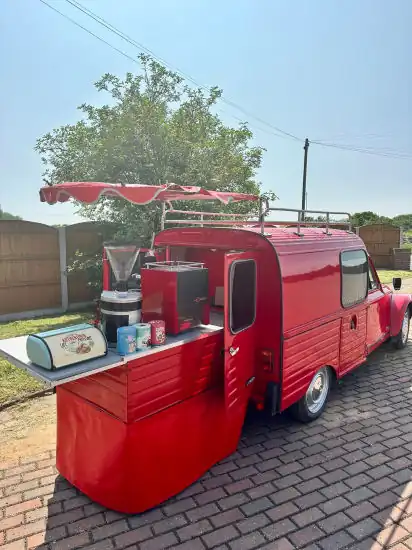
We regularly expand our range of food carts, trucks, stalls etc. Over the years things have slowly moved towards the American style of food trucks and away from the traditional burger vans and so on. Truth be told there are some exciting and quirky food trucks across the pond, though we are gradually catching up with them.

Some jobs though you just can’t physically fit a food truck. Smaller exhibition halls, offices, back gardens etc aren’t made to drive an airstream or American fire truck into. So for those we have stuck with our range of traditional styled hand carts, though with the occasional quirky addition like our tub shaped cart.

Candy Apple Red Tub Cart

Due to a request from one of our larger corporate clients we added an ice cream trike a couple of years ago for some custom branded ice cream jobs. We used it for other catering trike hire jobs, but it seemed to only go out occasionally.

Increased Range Of Trikes For Hire

For some reason lately we have found ourselves utilising these more and more, so have commissioned a number of additional style bodies to make them more useful to us.

We also have a multi purpose body under construction which will take almost any of the catering lines we offer. This will be ideal for branded jobs as the trike offers three large flat panels that can be vinyl wrapped for promotions etc.

If you need to talk to us about catering trike hire, there is no need to hop on your bike, just drop us an email.