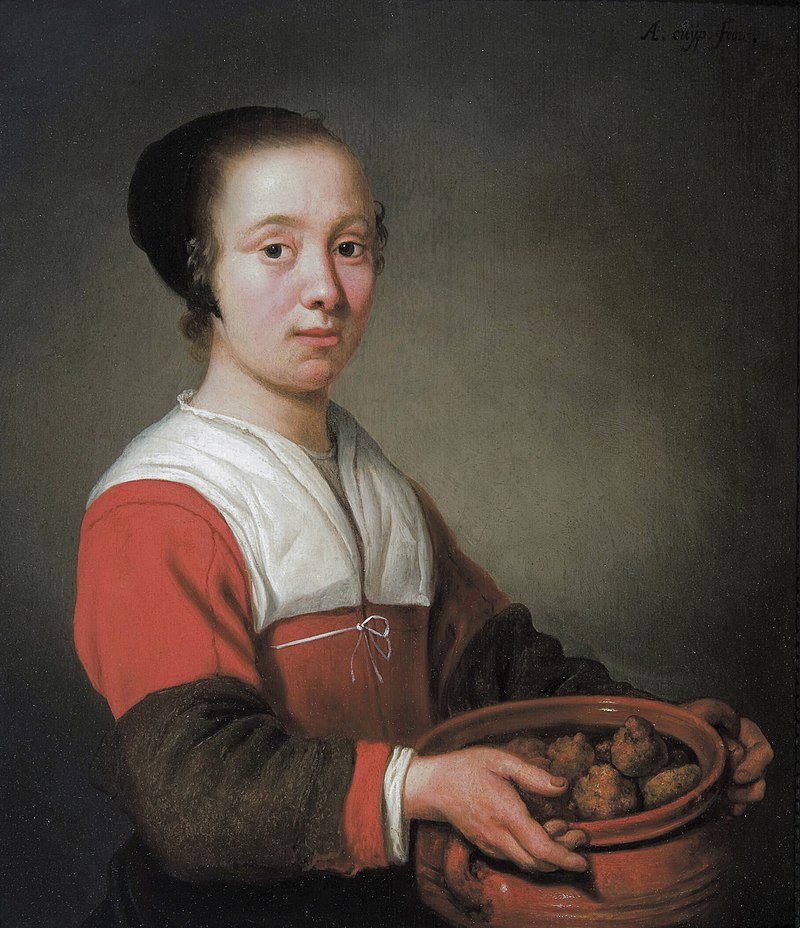
Imagine biting into a warm, fluffy doughnut, crispy on the outside yet soft and chewy on the inside. Now add the comforting aroma of cinnamon and nutmeg, with a hint of sweetness from raisins or currants. This delightful treat is none other than the oliebollen, the beloved Dutch doughnut that has captured the hearts and taste buds of many around the world. As the oliebollen melts in your mouth, it evokes a sense of nostalgia and warmth, a comforting reminder of festive gatherings and cherished traditions.
Oliebollen are more than just a sweet indulgence; they are a cultural icon that embodies the spirit of togetherness and celebration. Whether enjoyed on a chilly winter night or as a special treat during a festive event, these doughnuts have an uncanny ability to bring people together. The simplicity of their ingredients belies the complexity of the flavors they deliver, making oliebollen a timeless favorite across generations.
What Are Oliebollen?
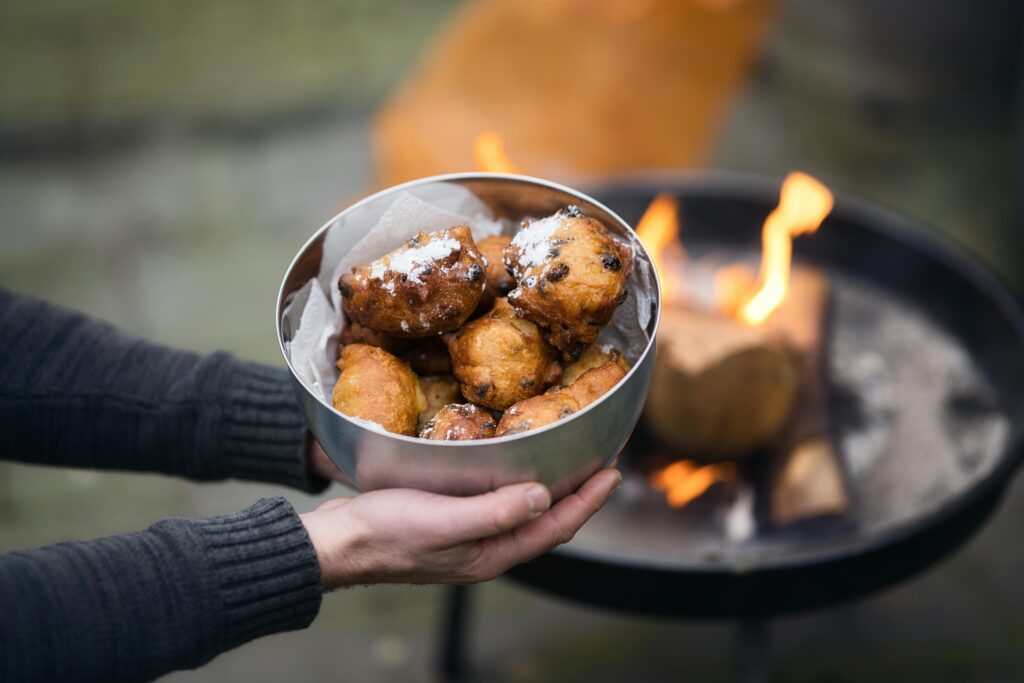
Oliebollen, meaning “oil balls,” are traditional Dutch pastries often enjoyed during festive celebrations, especially on New Year’s Eve. These delightful dough balls are deep-fried to golden perfection and generously dusted with powdered sugar. While the classic oliebollen is plain, many variations include fillings such as raisins, currants, or even apple pieces. The blend of textures and flavors creates a doughnut that is both satisfying and comforting, appealing to a wide range of palates.
The tradition of eating oliebollen during New Year’s Eve is deeply rooted in Dutch culture, symbolizing good fortune and prosperity for the coming year. Families often gather to make and share these treats, creating a sense of unity and anticipation as the year draws to a close. In addition to their festive significance, oliebollen have also become a beloved treat during fairs and winter markets, where their enticing aroma beckons passersby to indulge in a taste of Dutch heritage.
A Taste of Tradition
Oliebollen have been a staple in Dutch culture for centuries, with their roots tracing back to the Middle Ages. Historically, they were made as a festive snack to celebrate the arrival of the New Year and to ward off evil spirits. Today, they are a symbol of warmth and togetherness, shared among family and friends during the holiday season. The rich history of oliebollen is reflected in the time-honored recipes passed down through generations, each family adding their own unique twist to the traditional preparation.
The making of oliebollen is often seen as a cherished family ritual, with each member contributing to the process. As the dough rises and the oil heats, stories and laughter fill the kitchen, creating a warm and inviting atmosphere. This communal experience of crafting oliebollen reinforces the bonds between loved ones and preserves the cultural heritage that these doughnuts represent. In this way, oliebollen are not just a dessert, but a vessel for connection and tradition.
The Art of Making Oliebollen
Creating the perfect oliebollen is an art form that requires just the right balance of ingredients and technique. The process is both simple and rewarding, offering an opportunity for bakers to infuse their own creativity and personal touch into each batch. From the careful selection of ingredients to the precise timing of each step, making oliebollen demands attention to detail and a passion for culinary craftsmanship. Here’s how you can make your own batch of these delectable Dutch doughnuts:
Ingredients You’ll Need
- 4 cups of all-purpose flour
- 2 teaspoons of active dry yeast
- 2 cups of lukewarm milk
- 1/2 cup of sugar
- 2 large eggs
- 1 teaspoon of salt
- 1 teaspoon of cinnamon
- 1/2 teaspoon of nutmeg
- 1 cup of raisins or currants (optional)
- Vegetable oil, for frying
- Powdered sugar, for dusting
The choice of ingredients can greatly influence the final flavor and texture of your oliebollen. For instance, using fresh, high-quality spices like cinnamon and nutmeg can enhance the aroma and depth of flavor. Additionally, experimenting with different types of flour or adding a splash of vanilla extract can offer delightful variations that make your oliebollen truly unique.
Steps to Oliebollen Perfection
- Activate the Yeast: In a small bowl, dissolve the yeast in lukewarm milk and let it sit for about 5 minutes, until it becomes frothy. This step is crucial as it ensures the yeast is alive and ready to leaven the dough, resulting in a light and airy texture.
- Mix the Dough: In a large mixing bowl, combine the flour, sugar, salt, cinnamon, and nutmeg. Add the eggs and the yeast mixture, and stir until a smooth batter forms. If desired, fold in the raisins or currants. Mixing the dough thoroughly ensures even distribution of ingredients, creating a consistent flavor in every bite.
- Let It Rise: Cover the bowl with a clean kitchen towel and let the dough rise in a warm place for about an hour, or until it doubles in size. The rising time allows the yeast to work its magic, developing the dough’s structure and flavor. A perfectly risen dough will have a slightly sticky texture and a pleasant, yeasty aroma.
- Heat the Oil: In a deep fryer or large pot, heat the vegetable oil to 350°F (175°C). Maintaining the right oil temperature is key to achieving the perfect golden-brown crust. Too hot, and the oliebollen will burn; too cold, and they’ll absorb excess oil, resulting in a greasy texture.
- Fry the Oliebollen: Using two spoons, scoop the dough into small balls and carefully drop them into the hot oil. Fry in batches, turning occasionally, until they are golden brown and cooked through, about 4-5 minutes per batch. The frying process requires patience and precision, as each batch must be monitored closely to ensure even cooking.
- Drain and Dust: Remove the oliebollen from the oil and place them on a paper towel-lined plate to drain excess oil. Once cooled slightly, dust generously with powdered sugar. The final dusting of sugar not only adds sweetness but also enhances the visual appeal, making the oliebollen even more irresistible.
Oliebollen: A Hit at Dessert Food Trucks
In recent years, oliebollen have made their way beyond Dutch borders and into the international dessert scene, becoming a popular choice for dessert food trucks. Their unique flavor profile and enticing aroma make them an irresistible option for anyone seeking a sweet treat on the go. As food trucks continue to innovate and diversify their offerings, oliebollen stand out as a crowd-pleaser that blends tradition with contemporary culinary trends.
Why Oliebollen?
For food truck entrepreneurs and wedding planners looking to make a memorable impact, oliebollen offer a wow factor that few other desserts can match. Their nostalgic charm and delectable taste provide a sense of comfort and indulgence, appealing to both young and old alike. Oliebollen are simple treats that can be enjoyed anywhere. Whether on busy city streets or at fancy events, they fit perfectly on any menu.
Additionally, oliebollen are highly customizable, allowing for creative variations that cater to diverse tastes. From chocolate-filled oliebollen to those with a hint of citrus zest, the possibilities are endless. This adaptability makes oliebollen a strategic choice for food truck operators looking to differentiate themselves and captivate their audience with innovative flavor combinations.
A Wedding Planner’s Dream Dessert
For wedding planners, oliebollen provide a unique and interactive dessert experience for guests. Imagine a dessert food truck serving freshly fried oliebollen at an evening reception, their sweet aroma wafting through the air as guests enjoy them with a glass of bubbly. It’s a delightful twist on traditional wedding desserts that guests won’t soon forget. The interactive nature of a food truck also adds an element of fun and spontaneity, encouraging guests to mingle and share in the joy of the occasion.
Oliebollen can also be customized to complement the wedding theme or season. Consider offering variations with seasonal fruits or flavors, such as apple-cinnamon for an autumn wedding or lemon-raspberry for a summer celebration. These thoughtful touches not only enhance the guest experience but also reflect the couple’s personality and style, making the event truly memorable.
Oliebollen Around the World
While oliebollen are deeply rooted in Dutch tradition, their popularity continues to spread across the globe. Countries such as Belgium, Germany, and even the United States have embraced these delightful doughnuts, each adding their own twist to the classic recipe. Oliebollen are loved all over the world. This shows how popular and flexible they are. Bakers and chefs keep finding new ways to make this classic Dutch treat.
Variations and Innovations
In Belgium, oliebollen are known as “smoutebollen” and are often served at fairs and carnivals. Germans refer to them as “krapfen,” typically filled with jam or custard. In the U.S., food trucks and bakeries have begun experimenting with flavors like pumpkin spice or matcha-infused oliebollen, catering to the ever-evolving tastes of dessert enthusiasts. These creative variations highlight the versatility of oliebollen and their ability to transcend cultural boundaries, appealing to a diverse audience.
As oliebollen gain international recognition, they continue to inspire new interpretations and culinary experiments. Chefs and home bakers alike are exploring innovative fillings, toppings, and presentations, pushing the boundaries of what oliebollen can be. From savory versions with cheese and herbs to decadent chocolate-dipped creations. The evolution of oliebollen reflects the dynamic and ever-changing landscape of global cuisine.
The Perfect Oliebollen Experience
In conclusion, oliebollen are more than just a festive snack; they are a gateway to a world of flavor, tradition, and joy. Whether you’re enjoying them at a local fair, from a dessert food truck, or as part of a wedding celebration, these Dutch doughnuts are sure to leave a lasting impression. Their timeless appeal and cultural significance make oliebollen a cherished treat that transcends generations and borders.
So why not indulge in the oliebollen experience and discover the magic for yourself? After all, there’s nothing quite like the taste of a perfectly fried oliebollen to bring a smile to your face and warmth to your heart. Oliebollen are perfect for a cold winter day. You can also share them with friends at a celebration. They bring joy and create a special connection.