Tag: food trucks

Catering, Equipment, Event Planning, Food Trucks

National Pizza Day

9 February 2025
Pizza Slice

National Pizza Day is a celebration that’s close to the hearts of many. It’s a day dedicated to honoring one of the world’s most beloved foods – pizza.

Every year on February 9th, pizza lovers unite. They indulge in their favorite slices, from classic margherita to gourmet truffle-infused creations.

But how can this day be made even more special? The answer lies in the innovative world of food trucks.

Food trucks have revolutionized the way we enjoy food, pizza included. They offer a unique dining experience that’s both casual and exciting.

For marketing managers, National Pizza Day presents a golden opportunity. It’s a chance to create engaging content that resonates with their audience.

For wedding planners, a pizza food truck could be the wow factor they’re looking for. It’s a unique and memorable addition that’s sure to delight guests.

Slice Of Delicious Pizza

The Cheesy History of National Pizza Day

National Pizza Day has a rich and tasty history. Though its exact origins remain unclear, its appeal is undeniable. It was inspired by the love of pizza that has spread globally, making it one of the most cherished foods.

Pizza itself boasts a storied past, tracing its roots back to ancient civilizations. However, the modern pizza we know truly took form in Naples, Italy. Italian immigrants then transported this delightful dish to America, where it soon became a staple.

The celebration of National Pizza Day reflects our collective appreciation for this culinary gem. It’s a day for pizza enthusiasts to indulge, experiment, and embrace new flavors. Across the country, people honor the cheesy goodness with parties, events, and food truck fiestas. This day not only recognizes pizza’s cultural impact but also its economic importance, as millions of slices are savored daily.

Why Food Trucks Are the Perfect Match for National Pizza Day

Food trucks bring a vibrant energy to any event, especially on National Pizza Day. Their mobile nature allows them to travel far and wide, spreading cheesy joy. Plus, their flexibility in location lets them cater to pizza lovers wherever they gather.

The charm of food trucks lies in their unique offerings and culinary creativity. Many pizza trucks specialize in gourmet options, offering artisanal flavors that traditional restaurants might not. This creates an exciting and diverse pizza experience for attendees.

Food trucks also offer a personalized touch, allowing for a more intimate dining experience. Customers can interact directly with chefs, customizing their pizzas to fit their tastes. This connection fosters a sense of community and engagement, enhancing the overall event atmosphere.

Moreover, food trucks add a novel twist to the usual pizza celebration. Their presence signals innovation, attracting crowds eager for a memorable slice. Whether parked at a city square or a private gathering, pizza trucks make any celebration unforgettable and fun.

How Marketing Managers Can Leverage National Pizza Day

National Pizza Day offers a rich opportunity for creative marketing campaigns. With the widespread love for pizza, crafting content that resonates with audiences becomes easier. Clever social media campaigns can capitalize on hashtags like #NationalPizzaDay, sparking conversations and engagement.

Collaborations with local pizzerias or food trucks can elevate brand visibility. Partnering for special promotions or events can draw in crowds and boost interest. This creates a win-win scenario: businesses gain exposure while pizza lovers enjoy exclusive deals.

Narratives centered around pizza’s ubiquitous appeal can further enhance marketing efforts. Storytelling that highlights the joy and nostalgia tied to pizza can strike an emotional chord. Whether through engaging videos, fun challenges, or contests, the possibilities are endless. Integrating these stories into marketing content not only entertains but also builds deeper connections with the audience, making your brand a part of their delicious pizza memories.

Planning a Wedding? Say “I Do” to Pizza Food Trucks

Imagine the joy of surprising your wedding guests with the unexpected delight of a pizza food truck. This trendy catering option serves both fun and deliciousness on a platter. Food trucks transform ordinary events into extraordinary experiences, offering guests a memorable dining adventure.

Pizza food trucks cater to diverse tastes, ensuring satisfaction for every palate. From classic margherita to gourmet selections, the versatility is unmatched. Plus, with options for vegan, gluten-free, or customized toppings, dietary needs are easily accommodated. Guests savor the luxury of creating their perfect slice, enhancing their overall experience.

The appeal of a food truck at weddings isn’t just about the food. The atmosphere it creates is lively and interactive, fostering connections among guests. The sight and smell of fresh pizza being made is an aromatic delight, adding an extra layer of sensory pleasure. It also becomes a great conversation starter and mingling hub.

Beyond the ambiance, pizza food trucks are cost-effective and flexible. They adapt easily to indoor or outdoor venues, making planning straightforward. For wedding planners, this eases logistical challenges and provides a unique selling point for clients. A pizza truck as part of the wedding feast is an innovative twist that guests will talk about long after the day ends.

Celebrate with Style: Unique Pizza Party Ideas

Elevate your National Pizza Day celebration with creative party ideas that wow your guests. A pizza party can transform into an unforgettable event with a little imagination. Consider hosting a themed gathering that captures the spirit of fun and flavor.

Here are some inventive ways to celebrate:

  • DIY Pizza Stations: Let guests craft their own pizzas with a variety of toppings.
  • Pizza Tasting: Offer a selection of gourmet pizzas from different regions.
  • Pizza Pairing: Combine pizzas with curated wine or craft beer pairings.
  • Pizza Tournaments: Host pizza-making contests with prizes for the best creations.
  • Pizza Trivia: Entertain guests with a lively pizza-themed quiz game.

These unique ideas promise not only to satisfy taste buds but also to create lasting memories. A well-planned pizza party enriches connections and amplifies the joy of National Pizza Day. Engage your guests with the irresistible charm of this iconic dish, served with style.

The Rise of Gourmet Pizza on Wheels

The gourmet pizza revolution has rolled onto wheels, redefining street food. Food trucks are now home to innovative artisanal pizza masterpieces. These mobile kitchens embrace creativity, blending traditional and modern flavors.

No longer confined to a dining room, gourmet pizzas delight fans at events and gatherings. These pizzas often boast fresh, high-quality ingredients sourced locally. Food trucks offer a unique dining experience, merging culinary artistry with convenience. This trend has accelerated post-pandemic, as people seek engaging, open-air dining options. From unexpected ingredient pairings to creative presentations, gourmet pizza on wheels adds a touch of elegance and fun to every event.

Engaging Your Audience with Pizza Day Promotions

National Pizza Day is a marketing treasure trove waiting to be unlocked. Creativity is key to capturing attention and sparking engagement. Host a pizza-themed contest or challenge on social media. This encourages user-generated content that showcases your brand.

Use vibrant visuals and mouth-watering imagery in promotions. Partner with local pizzerias or food trucks to offer exclusive deals. Collaborate to create unique, limited-time menu items that pique interest. Encouraging customer participation will build a community and enhance brand loyalty. Leverage popular hashtags related to pizza celebrations to expand reach and increase visibility.

Booking a Food Truck for Your National Pizza Day Event

Securing a food truck for your National Pizza Day celebration transforms it into an unforgettable experience. Reserve early to guarantee your top choice. Discuss menu options to ensure they meet your vision. This seamless addition will captivate guests with its visual charm, savory aroma, and mouthwatering flavors.

Conclusion: Making the Most of National Pizza Day

Embrace the joy of National Pizza Day by unleashing your creativity and making it memorable. Whether through engaging marketing strategies, adding a sizzling food truck to a wedding, or hosting a dazzling pizza party, this special day is the perfect opportunity to indulge in deliciousness. Savor every slice!

Wedding With A Pizza Theme

Equipment, Event Planning, Food Trucks

Food Truck Catering

6 February 2025
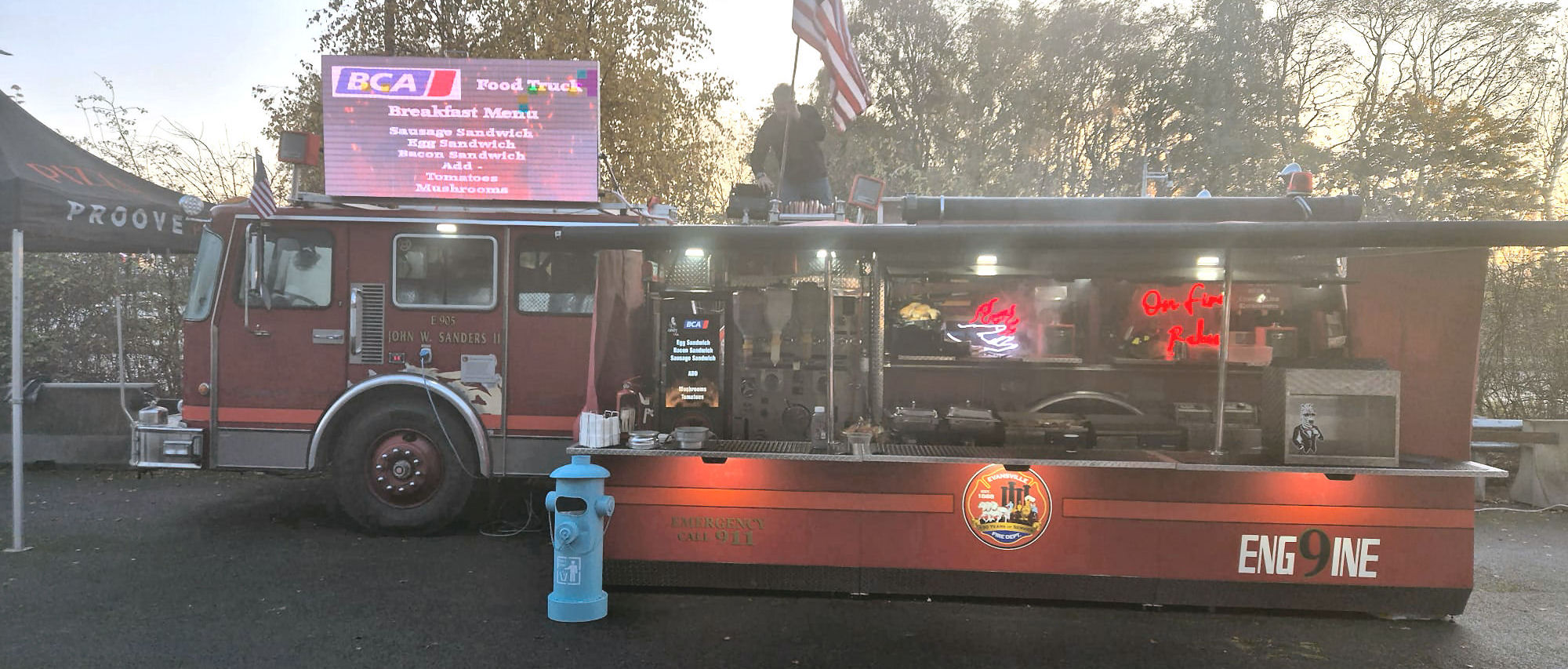
Fire Truck side Cranwell

Food truck catering is on the rise. It’s a trend that’s shaking up the event industry, offering a fresh take on dining experiences.

But what makes food trucks so appealing? They bring a unique charm to both casual gatherings and corporate events, creating memorable experiences for attendees.

The variety of cuisine options and cost-effectiveness are added bonuses. But there’s more to food truck catering than meets the eye.

This article will delve into the ins and outs of food truck catering. We’ll explore costs, selection tips, marketing potential, and more. Let’s embark on this culinary journey together.

The Rise of Food Truck Catering in Events

Food truck catering is becoming a staple in event planning. Its popularity has skyrocketed, making it a sought-after option for diverse occasions. From local festivals to lavish weddings, food trucks add an eclectic vibe that traditional catering often lacks.

Their accessibility and versatility make them a hit among event planners. Guests enjoy the novelty and charm they provide. With an array of culinary options, food trucks cater to various tastes and preferences. This adaptability is key to their success across different event types.

Why Food Trucks Make Your Event Stand Out

Food trucks bring a dynamic flair to any event. They transform ordinary gatherings into unique experiences through their mobile kitchens and visually appealing designs. The fun atmosphere they create encourages social interaction and guest engagement.

Beyond aesthetics, food trucks offer interactive dining experiences. Attendees can watch their meals being prepared, adding excitement to any occasion. This personal touch often leaves a lasting impression. Such memorable experiences can elevate your event, making it unforgettable for everyone involved.

Understanding the Costs: How Much to Hire a Food Truck?

Several factors contribute to the cost of hiring a food truck. These include the type of cuisine, event location, and time of year. Larger events might also influence pricing due to higher demand and service levels.

Generally, hiring a food truck can cost anywhere from $500 to $3,000, depending on these variables:

  • Cuisine type and menu selections
  • Duration of the event
  • Number of guests and portion sizes

Understanding these elements helps in budgeting and ensures a worthwhile investment.

Selecting the Perfect Food Truck for Your Event

Choosing the ideal food truck requires thoughtful consideration of your event’s theme and audience. The right truck can elevate the mood and leave a lasting impression on attendees.

Start by exploring various cuisine options that cater to diverse tastes. Review customer testimonials and ratings to ensure quality and reliability. Timely booking is essential, as popular trucks often get reserved quickly.

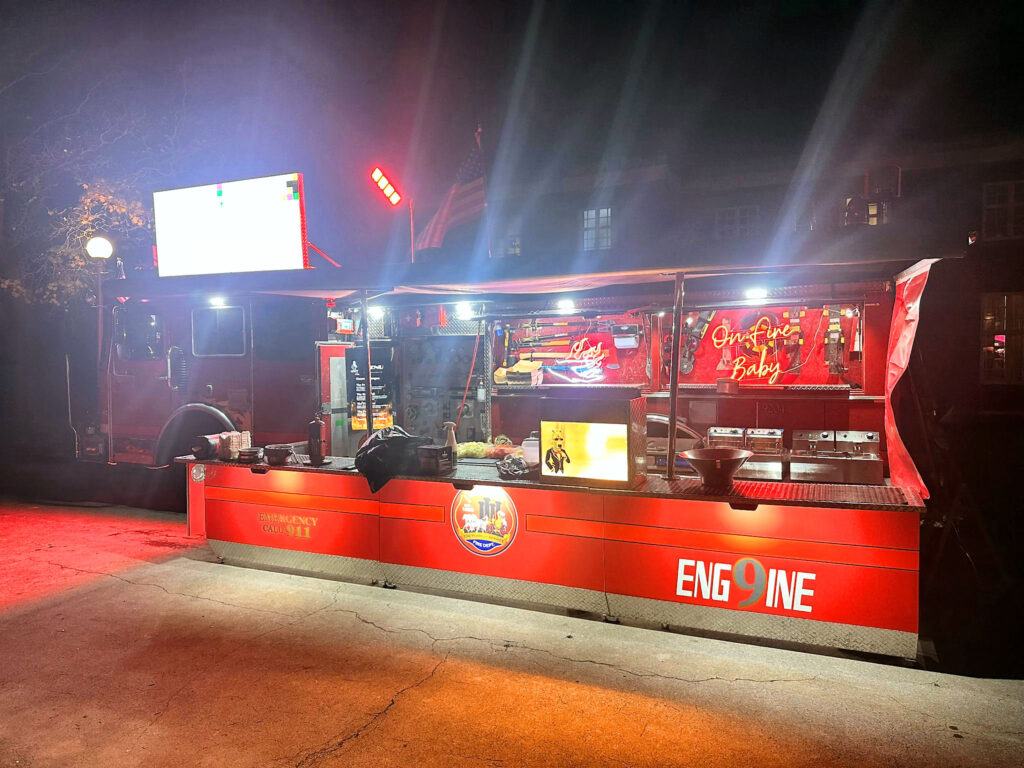
ENG9INE The Fire Truck Food Truck

The Marketing Magic of Food Truck Catering

Food trucks can transform your event into a branding bonanza. Wrap them in vibrant signage and your brand will be the talk of the town.

Social media buzz spreads fast when food trucks serve unique culinary delights. Snap a photo, post it online, and watch your brand engagement soar.

Logistical Considerations for Smooth Food Truck Operations

Before hiring a food truck, assess the available space at your venue. Ensure there’s ample room for parking and serving.

Don’t forget permits and regulations. Coordinating with local authorities is essential to ensure a hassle-free event. Keep logistics seamless for a stellar experience.

Success Stories: Food Trucks Elevating Events

Picture this: a bustling summer festival with food trucks lining the streets. Attendees are delighted as they explore diverse cuisines and flavors.

Another event featured a food truck cluster at a corporate gathering. Employees bonded over gourmet street food, boosting morale and creating buzz both offline and online.

HY Churros Time Van
HY Churros Time Van

Conclusion: The Future of Food Truck Catering in Marketing

Food truck catering is more than a trend; it’s a fresh approach to event marketing. Its popularity is set to grow even more.

For Marketing Managers, it’s a chance to innovate and engage. By bringing food trucks to events, brands can create memorable, impactful experiences that linger.

Street Food Trucks For Hire Nationwide

Catering, Equipment, Event Planning, Food Trucks

Exploring Regional Hot Dog Variations Across America

28 January 2025
Fabulous Hot Dogs

The humble hot dog is a staple of American cuisine. It’s a symbol of summer cookouts, baseball games, and city street corners.

But the hot dog is more than just a quick bite. It’s a culinary canvas that showcases the diversity of America’s regional flavors.

From the classic New York-style hot dog to the chili-topped Coney Island variant, each region adds its unique twist. These variations reflect local tastes, cultural influences, and even historical events.

In this article, we’ll take a gastronomic journey across America. We’ll explore the regional hot dog variations that make this simple dish a national treasure.

We’ll delve into the ingredients, cooking methods, and cultural significance of these regional hot dog recipes.

So, whether you’re a food enthusiast or a hot dog aficionado, join us as we celebrate the hot dog in all its delicious diversity.

The American Hot Dog: An Overview

The hot dog has roots tracing back to Europe, where sausages were enjoyed centuries ago. German immigrants brought them to America in the late 1800s.

In America, the hot dog evolved into a beloved street food. Its popularity skyrocketed with the rise of hot dog stands and baseball parks. Easy to prepare and eat, they became a staple of American fast food culture.

Hot dogs hold a special place in American celebrations and traditions. They’re enjoyed at national events like the Fourth of July and during casual backyard barbecues. Each juicy bite is a nod to a rich culinary history intertwined with cultural significance.

The Classic Components of a Hot Dog

A typical hot dog starts with the sausage, often made of beef, pork, or a mix of meats. This juicy sausage is the star of the show, bringing flavor and texture.

Nestled within a soft, often toasted, hot dog and bun, the sausage finds its perfect home. The bun is an essential element, balancing the rich taste of the sausage.

Toppings add personality and flair to each hot dog. They can range from the simple to the extravagant, and popular toppings include:

  • Mustard and ketchup
  • Relish and onions
  • Chili and cheese

These components together create a symphony of flavors in every bite.

Basic Hot Dog
Basic Hot Dog

New York-Style: The Urban Classic

The New York-style hot dog is a staple in the city that never sleeps. Served from iconic street carts, this hot dog offers simplicity and flavor.

This version features steamed onions and deli-style mustard. The straightforward topping allows the taste of the sausage to shine, making it a favorite among locals and tourists alike. The New York dog is perfect for grabbing and going during a busy day in the city.

Chicago-Style: The Garden on a Bun

Chicago takes its hot dogs seriously, crafting a masterpiece often called “dragged through the garden.” This vibrant style is colorful and refreshing, featuring a poppy seed bun as its base.

Topped with yellow mustard, chopped onions, bright green relish, tomato slices, a pickle spear, sport peppers, and a dash of celery salt, each bite is an explosion of flavors. What’s notably absent? Ketchup. In Chicago, ketchup is strictly off-limits for traditionalists.

Chicago Style Hot Dog
By arnold inuyaki / Arnold Gatilao – , CC BY 2.0

Coney Island and Detroit: Chili Dog Rivals

Coney Island hot dogs have deep ties to classic American amusement parks. Known for their rich flavor, they feature a steamed bun and a beef sausage generously topped with chili, onions, and mustard.

Detroit adds its local twist to the Coney Island dog. The Detroit Coney is laden with a thicker, more bean-heavy chili. This variation highlights the city’s love of flavorful and hearty meals, creating a spicy and savory treat distinct to the region.

Southern Twists: Atlanta’s Slaw Dog and Texas Heat

In Atlanta, the “slaw dog” is a summer favorite. Crisp coleslaw is piled high on a classic hot dog, adding crunch and a tangy kick. This blend of flavors creates a refreshing experience perfect for southern picnics.

Texas brings the heat with its fiery hot dog. Topped with spicy chili, jalapeños, and cheese, the Texas hot dog packs a punch. This bold combination embodies the state’s love for flavor with a side of spice, leaving a lasting impression.

West and Southwest: Sonoran and Kansas City Creations

The Sonoran hot dog, originating from Arizona, is an indulgent delight. Wrapped in bacon, it combines beans, onions, and a medley of fresh toppings for a rich, satisfying taste. This flavorful twist showcases the Southwest’s vibrant culinary traditions.

Kansas City’s take is a savory blend that warms the soul. With sauerkraut and Swiss cheese, this hot dog offers a tangy, melted experience. These elements together create a deeply comforting meal, reflecting Kansas City’s hearty food culture.

By SZeltzer – Own work, CC BY-SA 4.0,

The Bun Debate: Regional Bread Varieties

The hot dog bun is more than just a holder. Across America, the choice of bread varies significantly. Some regions favor steamed buns, while others go for toasted or even pretzel buns.

This diversity affects the overall texture and taste. In New England, split-top buns are a unique favorite. They offer a perfect balance of softness and a hint of sweet, catering to regional preferences.

Condiments and Toppings: More Than Just Ketchup and Mustard

Hot dogs are blank canvases for creativity. Traditional toppings like mustard and ketchup are just the beginning. Regions across America boast their unique flair.

In Chicago, a classic is never complete without a pickle spear and sport peppers. Meanwhile, down South, slaw provides a refreshing crunch that complements the sausage’s flavor beautifully. These regional toppings add depth to the iconic hot dog experience.

Hot Dog Culture: Stands, Trucks, and Baseball Parks

Hot dogs and American culture are intertwined. Street vendors and food trucks bring this beloved snack to the masses with creativity and flair.

Baseball parks enhance the experience, offering unique versions that reflect local tastes. Here, the hot dog becomes more than a meal; it’s a shared tradition, a culinary symbol that thrives in public gatherings and sporting events.

The Impact of Immigrant Communities on Hot Dog Varieties

Immigrant communities have profoundly shaped America’s hot dog culture. They introduce diverse flavors and unexpected ingredients into this classic fare.

From spicy sausages to exotic toppings, their influence is undeniable. This cultural fusion enriches regional styles and highlights America’s melting pot nature. Each new twist on the hot dog tells a story of migration, adaptation, and culinary innovation.

Health-Conscious and Alternative Hot Dogs

As dietary preferences evolve, so do hot dogs. Health-conscious eaters now have options beyond traditional meat.

Veggie dogs, turkey sausages, and gluten-free buns offer nutritious alternatives. These choices cater to diverse tastes and dietary needs, ensuring everyone can enjoy this American classic guilt-free.

Pairing Hot Dogs with Local Beverages

Hot dogs are not just about the food; the drink matters too. Local beers often pair perfectly with different regional hot dogs.

In Chicago, try a craft beer with your dog for an authentic experience. Meanwhile, a crisp soda might complement an Atlanta slaw dog best. Exploring these pairings can enhance the tasting adventure and introduce you to new beverage favorites.

The Economic and Cultural Impact of Hot Dogs

Hot dogs play a big role in the U.S. economy. Millions are sold every year, fueling businesses from carts to major franchises.

Culturally, hot dogs symbolize American gatherings like holidays and sports events. They bring people together, reflecting unity and shared traditions. As an icon of street food culture, the humble hot dog ties into stories of many vibrant communities across the nation.

Try It at Home: Regional Hot Dog Recipes

Recreating these regional hot dogs can be fun and satisfying at home. With some simple ingredients, you can enjoy these classic flavors.

Here’s a quick list of regional recipes to try:

  • New York-Style: Sausage, steamed onions, mustard.
  • Chicago-Style: Tomato, sport peppers, pickle.
  • Detroit Coney: Chili, mustard, onions.
  • Atlanta Slaw Dog: Coleslaw topping.
  • Sonoran: Bacon, beans, and onions.

Dive into these hot dog recipes and explore the diverse palate of America.

Conclusion: The Enduring Legacy of the American Hot Dog

The hot dog remains an iconic symbol of American cuisine. Its versatility and regional variations make it a canvas for creativity.

Every bite tells a story of cultural influences and local traditions. From ballparks to backyard barbecues, hot dogs are here to stay.

As trends evolve, the humble hot dog will continue to adapt, delighting palates across generations with its unique flavors.

Catering, Equipment, Event Planning, Food Trucks

Rise Of The Vintage Horse Trailer As A Street Food Truck

26 January 2025
Churros Box For Hire

# Rise of the Vintage Horse Trailer as a Street Food Truck

In a world where creativity and innovation are paramount, the culinary scene is no stranger to reinvention. One trend making waves is the transformation of vintage horse trailers into captivating street food trucks. This quirky, yet functional concept has become a favorite among foodies and entrepreneurs alike, offering a unique dining experience that is as memorable as it is delicious.

The Allure of the Vintage Horse Trailer

Imagine a picturesque setting: a charming, rustic horse trailer parked under twinkling fairy lights, serving up tantalizing delights. The allure of the vintage horse trailer street food truck lies not just in its aesthetic appeal but also in its ability to evoke nostalgia while delivering modern culinary creations. These trailers, often restored with a blend of rustic charm and modern flair, become a centerpiece of attraction at any event.

Giddyup Go Vintage Horse Trailer Catering

A Nostalgic Journey with a Modern Twist

The use of vintage horse trailers as food trucks is more than just a fad; it’s a journey back in time with a contemporary spin. These trailers, once used for transporting horses, are now retrofitted with state-of-the-art kitchen equipment. The juxtaposition of old and new creates a captivating contrast that draws people in.

The charm of a vintage horse trailer food truck lies in its ability to stand out in a crowded market. For marketing managers looking to create content that resonates with their audience, the story of these unique food trucks provides a rich tapestry of inspiration. The vintage aesthetic coupled with the promise of mouthwatering dishes like dirty fries and gourmet burgers creates a compelling narrative that captivates and engages.

Culinary Delights on Wheels

Dirty Fries: A Crowd Favorite

One of the standout offerings from these vintage food trucks is the ever-popular dirty fries. Imagine crispy, golden fries loaded with a medley of toppings such as melted cheese, bacon bits, and a drizzle of savory sauce. Each bite is a delightful explosion of flavors, making it a must-try for anyone visiting these mobile eateries.

Burgers: A Classic Reimagined

Burgers are a staple in the street food scene, but when served from a vintage horse trailer, they become an experience. These food trucks offer gourmet burgers crafted with premium ingredients and innovative toppings. Picture a succulent beef patty, layered with fresh lettuce, juicy tomatoes, and perhaps a hint of smoky chipotle mayo, all sandwiched between a perfectly toasted bun. It’s a classic dish elevated to new heights, perfect for foodies seeking an unforgettable culinary adventure.

The Perfect Addition to Any Event

Weddings: Adding a Touch of Whimsy

For wedding planners, a vintage horse trailer food truck is the perfect addition to any celebration. It not only offers delectable food but also adds a touch of whimsy and charm to the event. Picture a sun-dappled garden with guests mingling around the trailer, enjoying gourmet bites in a relaxed, convivial atmosphere. It’s an Instagram-worthy moment that guests will talk about long after the event is over.

Corporate Events: A Unique Dining Experience

Corporate events can often feel mundane, but with a vintage food truck, you can transform the ordinary into the extraordinary. These trucks provide a unique dining experience that is sure to impress clients and colleagues alike. Whether it’s a casual lunch meeting or a grand corporate gala, a vintage horse trailer food truck brings an element of surprise and delight.

The Business of Vintage Food Trucks

For entrepreneurs, the rise of the vintage horse trailer street food truck presents a unique business opportunity. These mobile eateries are not only eye-catching but also offer a flexible and cost-effective way to enter the food industry. With lower overhead costs compared to traditional brick-and-mortar establishments, food truck operators can experiment with diverse menus and reach a wider audience.

Building a Brand with Personality

A vintage horse trailer food truck is more than just a vehicle; it’s a brand with personality. Operators can create a distinct identity by curating a menu that reflects their culinary vision and by designing the trailer to reflect their unique style. From the exterior paint job to the logo and signage, every detail contributes to building a memorable brand.

Social Media: Amplifying Your Reach

In today’s digital age, social media plays a crucial role in the success of any food business. Vintage food truck operators can leverage platforms like Instagram and Facebook to showcase their offerings, share their story, and connect with customers. The visually appealing nature of these trucks, combined with mouthwatering food photography, makes for highly shareable content that can quickly go viral.

Conclusion: A Delicious Revolution

The rise of the vintage horse trailer as a street food truck is more than just a trend; it’s a delicious revolution in the culinary world. For marketing managers seeking to create engaging content, these food trucks offer a wealth of inspiration. For wedding planners and event organizers, they provide a unique and charming addition to any gathering. And for entrepreneurs, they present an exciting business opportunity with endless potential.

As more and more vintage horse trailers hit the streets, they continue to captivate and delight, proving that sometimes, the best ideas are born from thinking outside the box and embracing the unexpected. So the next time you come across one of these charming mobile eateries, don’t just walk by—stop, savor, and enjoy the experience. Who knows, you might just discover your new favorite dish served from the back of a beautifully restored horse trailer.

Food Trucks Hire

Catering, Equipment, Event Planning, Food Trucks

The History of Food Trucks From Chuck Wagons to Modern Day

23 January 2025

Food trucks have become a cultural phenomenon. They are a testament to culinary creativity and entrepreneurial spirit, serving up a smorgasbord of cuisines on city streets, at festivals, and private events.

But have you ever wondered about the origins of these mobile kitchens? The history of food trucks is a fascinating journey, tracing back to the chuck wagons of the 1800s.

This article will take you on a culinary time travel. We’ll explore the evolution of food trucks from their humble beginnings to the gourmet and specialty food havens they are today.

We’ll delve into the cultural tapestry of street food, the business aspects, and the role of technology in shaping the industry. We’ll also look at the future trends that are set to redefine the food truck experience.

Whether you’re a marketing manager, a wedding planner, a food enthusiast, or an entrepreneur, this comprehensive overview of food truck history promises to be an enlightening and enjoyable read.

So, buckle up and let’s hit the road to discover the rich history of food trucks.

The Origins of Mobile Catering

The history of mobile catering is rich and diverse. It all began with the humble chuck wagon in the 1800s. These mobile kitchens provided nourishment to cattlemen and adventurous souls traveling the rugged terrains of the American West.

Charles Goodnight, a resourceful Texas rancher, is credited with inventing the chuck wagon. His innovation laid the foundation for the mobile food concept, bringing hot meals to workers miles away from towns.

As America’s urban landscape expanded in the early 20th century, so did the need for portable food solutions. Enter the lunch wagon—a beacon for factory workers craving quick, affordable bites during their grueling shifts.

These early mobile eateries catered predominantly to working-class city dwellers, offering sustenance with speed and convenience. As demand grew, so did the ingenuity and diversity of mobile catering options.

The path from chuck wagons to modern-day food trucks traces a significant development in convenience, creativity, and cultural influence. This evolution marks a journey of culinary resilience and adaptation.

Wild West Chuck Wagon
By Carol M. Highsmith – Library of Congress Catalog

The Chuck Wagon: Pioneering the Food Truck Movement

The chuck wagon is a symbol of innovation on the frontier. In the 1800s, cattle drives demanded practical meal solutions. Charles Goodnight rose to the challenge, modifying a wagon to include cooking facilities.

This mobile kitchen was stocked with dried beef, beans, and coffee, providing essential sustenance. Goodnight’s invention sparked a movement toward convenient, road-ready meals, setting the stage for future mobile dining.

Despite its rudimentary setup, the chuck wagon was pivotal. It provided both nourishment and a communal dining experience for cowboys navigating vast, empty lands.

Lunch Wagons: The Urban Evolution

As cities flourished, the lunch wagon emerged as an urban staple. These early food trucks rolled onto crowded streets in the late 19th and early 20th centuries. They offered quick, affordable meals to bustling city workers.

Lunch wagons served sandwiches, pies, and coffee, meeting the needs of night shift laborers. Their affordability and mobility made them popular among workers seeking a quick bite without sacrificing quality or taste.

The legacy of the lunch wagon endures in today’s street food scene. It paved the way for a vibrant culture of mobile dining that thrives in our cities, offering a diverse range of culinary options on the go.

The Cultural Tapestry of Street Food

Street food is more than a meal; it’s an immersive experience. It reflects the cultural mosaic of a region, offering flavors from around the world right on your local corner.

From bustling night markets in Asia to vibrant street fairs in Europe, street food has long connected people with diverse culinary traditions. These open-air kitchens transform ordinary streets into lively cultural exchanges.

In America, the street food scene is a melting pot. It borrows influences from countless immigrant communities, each adding its unique spice to the mix. Here, street food becomes a canvas for cultural storytelling.

As food trucks took to the road, they carried with them the spirit of this vibrant street food culture. The result is a dynamic and ever-evolving culinary landscape.

Street food invites exploration and discovery, offering an array of tastes and textures. It’s a feast for the senses and a symbol of culinary diversity in our urban landscapes.

USA Food Truck
USA Food Truck

The Taco Truck Revolution and Beyond

The taco truck is a culinary icon in the southwestern U.S. Its story begins in the 1960s and 1970s, serving delicious bites to migrant workers. These trucks offered authentic Mexican flavors, bringing a taste of home to many.

With time, taco trucks captured the broader American palate. They spurred a revolution that extended beyond tacos, inspiring a diverse range of Latin American street food offerings.

Today, taco trucks represent more than just meals. They are emblematic of cultural heritage, offering communities a taste of tradition while remaining a staple of the American street food scene.

Gourmet Trucks: Elevating Street Food

Gourmet food trucks have reimagined street food, bringing sophisticated flavors to sidewalks. The recession of 2008 saw a surge in their popularity, offering high-quality meals at affordable prices.

These mobile kitchens elevate street fare with innovative menus. Chefs with diverse backgrounds use these trucks to experiment and offer unique, mouth-watering creations.

From fusion cuisines to artisanal confections, gourmet trucks push the boundaries of mobile dining. They continue to elevate street food to new heights, transforming simple bites into culinary masterpieces that captivate and delight.

The Business of Food Trucks

The food truck industry has grown into a vibrant entrepreneurial field. It’s a haven for dreamers eager to share their culinary talents without hefty restaurant overheads.

Aspiring chefs and seasoned professionals alike find opportunities with food trucks. They offer a flexible business model that allows for creativity and adaptation to market demands.

The economic accessibility of food trucks paves the way for diverse culinary experiences. Entrepreneurs can test new concepts, engage with customers, and build a loyal following on wheels.

Red Burger
Red Burger

Entrepreneurship on Wheels

Launching a food truck starts with passion and innovation. Entrepreneurs transform ideas into reality by crafting distinct menus that tantalize taste buds.

These mobile ventures require strategic planning. Choosing the perfect location, creating engaging branding, and fostering an authentic customer connection are vital to success.

Entrepreneurship on wheels also demands agility. Food truck owners must adapt quickly to trends, customer preferences, and even weather conditions, all while keeping their food fresh and enticing.

Navigating Regulations and Permits

Running a food truck involves more than delicious food. Navigating diverse city regulations and obtaining proper permits are crucial.

Compliance ensures smooth operation and customer safety. Truck owners must stay informed about local laws to thrive in this competitive field.

Food Trucks in the Digital Age

The digital age has revolutionized the food truck scene. With the tap of a button, customers track their favorite trucks via apps and websites.

Connectivity is key. Social media platforms allow food truck owners to share their latest creations, locations, and schedules in real time.

This tech-savvy approach enables trucks to cater to modern expectations. It creates dynamic consumer interactions, enhancing loyalty and broadening their reach effortlessly.

Social Media and the Rise of Food Truck Festivals

Social media propels the popularity of food trucks. Platforms like Instagram and Twitter showcase vibrant dishes, drawing foodies from afar.

These digital interactions foster culinary communities. Food truck festivals have surged, offering diverse options for locals and tourists to explore.

Festivals celebrate variety and camaraderie. They are a testament to how social media has galvanized the food truck culture, turning mealtime into an experience.

Technology and the Customer Experience

Technology enhances the food truck experience. Mobile ordering streamlines service, minimizing wait times for hungry patrons.

GPS tracking ensures patrons never miss a meal, locating trucks with ease at any time.

Food Truck Technology

The Future of Food Trucks

The road ahead for food trucks glimmers with possibilities. As technology evolves, so do the trucks’ capabilities.

Autonomous vehicles could revolutionize mobility, allowing more flexibility in operations. This shift promises even greater accessibility and variety.

Sustainability trends will also play a pivotal role. Eco-friendly practices and locally sourced ingredients will likely dominate the landscape.

Innovation fuels the food truck industry’s future. We anticipate new culinary techniques and creative fusion cuisines.

Trucks may employ smart kitchen appliances, optimizing efficiency and expanding menu offerings. This evolution aligns with a tech-driven world.

Additionally, food trucks could enhance their community impact. By partnering with local businesses and events, they can further ingratiate themselves within urban landscapes.

Conclusion: The Enduring Legacy of Food Trucks

Food trucks are a testament to innovation and resilience. They’ve journeyed from humble beginnings to a dynamic culinary force.

Their adaptability ensures they stay relevant, evolving with changing tastes and trends. This versatility sets them apart in a fast-paced world.

The spirit of food trucks embodies the entrepreneurial dream. Their story inspires, reflecting a legacy of creativity and cultural richness.

History Of The Burger